Sour cream is regular cream that has been fermented with specific cultures to create its characteristic tang. As a fresh dairy product, it tastes best right away and can spoil quickly, whether the container is opened or still sealed. If you sometimes find tubs in your fridge that you didn’t get to use, these clear signs will help you decide when to discard sour cream safely.
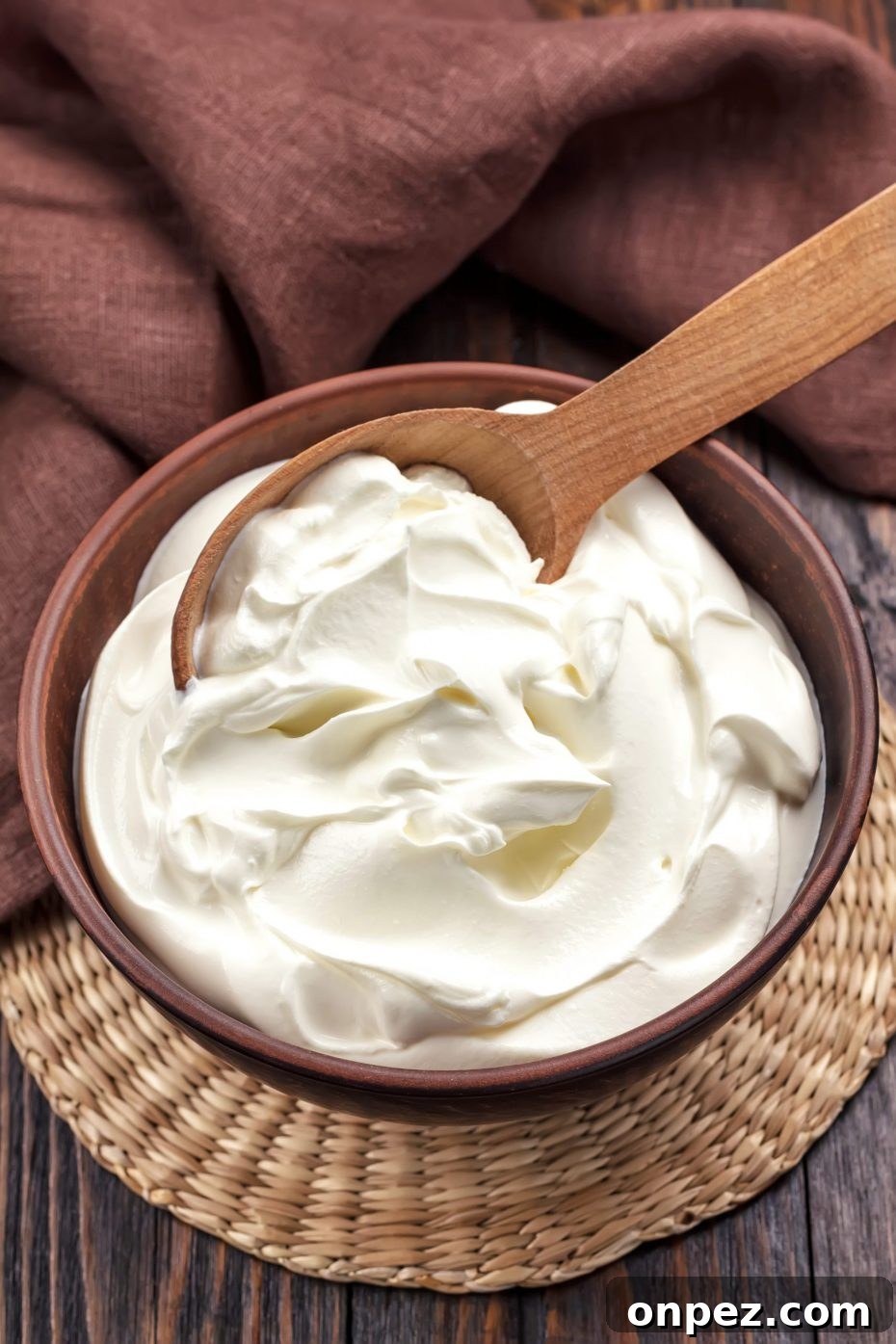
How To Tell If Your Sour Cream Has Gone Bad
1. Mold Growth
Any visible mold—fuzzy spots, green or gray patches, or unusual dark areas—means you should throw the entire container away. Mold can penetrate below the surface even if it appears limited to one spot, so do not scoop off the top and keep the rest. A film or clusters of white spots can also indicate hidden mold growth.
2. Discoloration
Stir the sour cream with a clean, dry spoon to check its color. Fresh sour cream is white or off-white; any yellowing, darkening, or unusual hues suggest bacterial or fungal activity and spoilage. Discoloration is a reliable visual cue that the product is no longer safe to eat.
3. Off Smell
Sour cream naturally has a mild tang. If the aroma shifts to a sharp, rancid, or moldy smell—or develops a strong, unpleasant acidity—this indicates bacterial overgrowth and spoilage. When in doubt, trust your nose and discard it.
4. Sharp or Bitter Taste
Fresh sour cream tastes mild and creamy. If you detect a sharp, bitter, yeasty, or otherwise unpleasant flavor, do not use it. Tasting should be a last resort after checking appearance and smell; if the taste is off, it can cause foodborne illness.
5. Curdling or Lumps
A thin layer of watery liquid on top, called whey, is normal and harmless; you can drain or stir it back in. However, distinct lumps, curdles, or a grainy texture indicate the cream has separated and spoiled. Sour cream should be smooth and creamy.
6. Dryness at the Sides
If the product has dried at the edges and there’s no wheylike liquid on top, this dryness signals that the sour cream has begun to deteriorate. Properly stored sour cream remains moist; dry or crusty edges are a sign to discard.
7. Unusually Dense Texture
Sour cream is naturally thick, but it should not be hard, rubbery, or overly dense. Excessive density usually results from drying out after being left unsealed in the refrigerator, and it indicates the product is past its prime.
How To Prevent Sour Cream Spoilage
Sour cream provides an ideal environment for mold and bacteria, but you can extend its usable life with proper handling and storage.
1. Always Refrigerate
Keep sour cream refrigerated at or below 40°F (4°C) at all times. Temperature control is essential: avoid leaving it out for extended periods, and do not store it in the refrigerator door where temperatures fluctuate. Place tubs toward the back or on a stable shelf where the temperature is most consistent.
2. Seal Tightly
After opening, keep sour cream well sealed in its original container or transfer it to a clean, airtight container. For larger tubs, pressing a piece of plastic wrap directly onto the surface before replacing the lid reduces exposure to air and slows spoilage.
3. Use Clean Utensils
Always scoop sour cream with a clean, dry spoon. Introducing crumbs, other foods, or dirty utensils invites bacteria and mold into the container and shortens shelf life. Avoid double-dipping.
4. Observe Use-by Dates and Storage Conditions
Pay attention to sell-by and use-by dates as a guideline, but also inspect the product visually and by smell. Even an unopened container can spoil if it has been stored improperly or exposed to temperature fluctuations.
5. Buy Smaller Portions When Possible
If you rarely use sour cream, choose smaller containers that you can finish before the date expires. This reduces waste and the chance a tub will sit too long after opening.
FAQs
Can you get sick from expired sour cream?
Yes, spoiled sour cream can cause foodborne illness if it shows signs of spoilage. Symptoms can include stomach cramps, nausea, vomiting, diarrhea, and fever in more severe cases. If the sour cream looks, smells, or tastes off, do not consume it.
Can you eat sour cream that was left out overnight?
No. Leaving sour cream at room temperature overnight allows rapid bacterial growth and poses a significant food safety risk. Discard any dairy product left unrefrigerated for extended periods.
Will sour cream spoil if left out overnight?
Yes. Both opened and unopened sour cream will spoil faster when left unrefrigerated because warmer temperatures accelerate bacterial and mold growth.
How long before sour cream spoils at room temperature?
Sour cream can begin to spoil within 2 to 4 hours at room temperature. If it has been left out longer than this, it is safest to throw it away.
Can you use spoiled sour cream for baking?
Do not use spoiled sour cream for baking. Even if heat will kill some bacteria, toxins produced by spoilage organisms may remain, and the off-flavors will negatively affect your recipe.
I have an unopened tub that passed its date; can I still use it?
If an unopened tub is only a short time past the sell-by or use-by date and has been refrigerated properly, you may be able to use it after a careful visual and smell inspection. If it shows any signs of mold, discoloration, or unpleasant odors, discard it. When in doubt, throw it out.
© Beat Bake Eat. All images & content are copyright protected. Unauthorized use or duplication of this material without written consent from the site’s author or owner is prohibited.