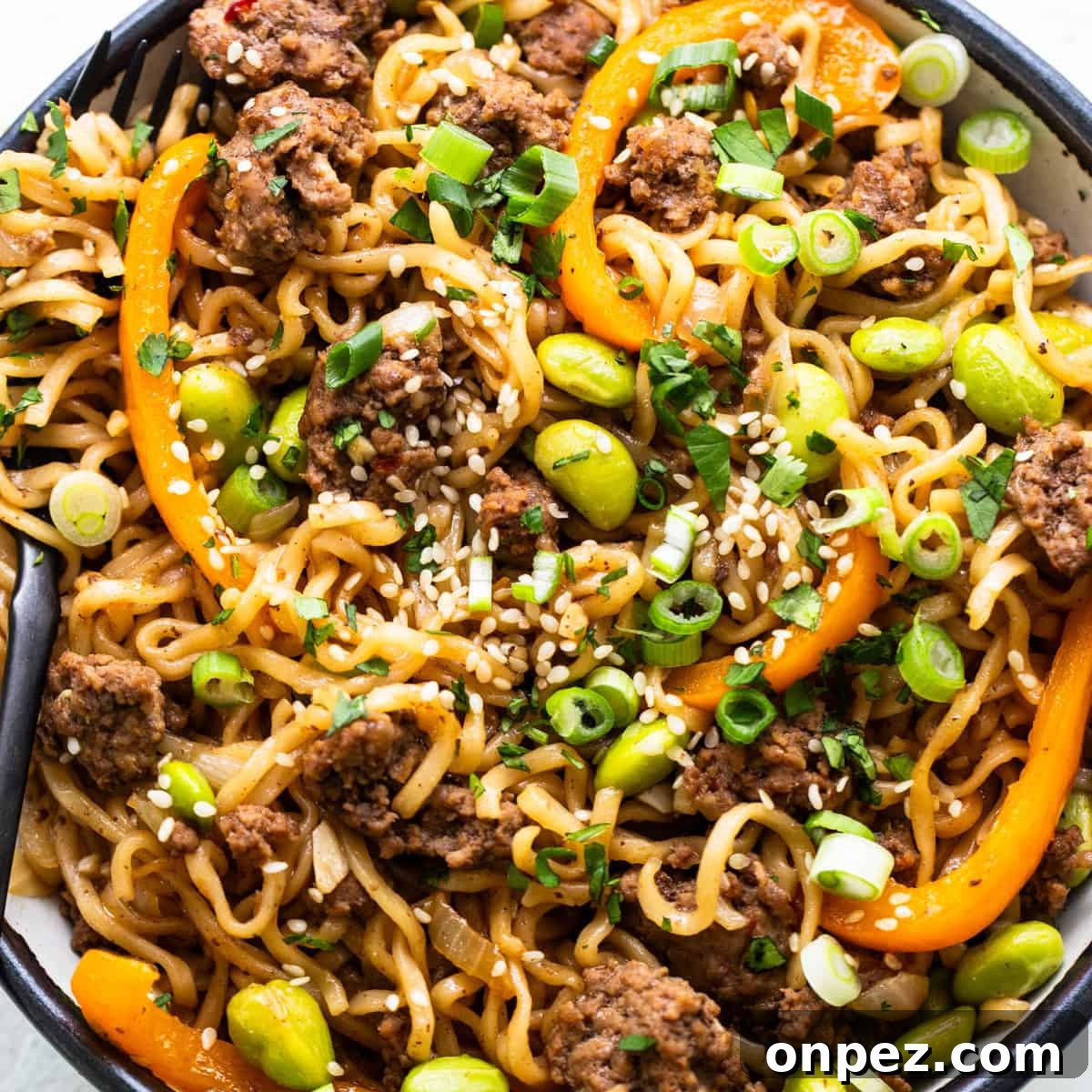
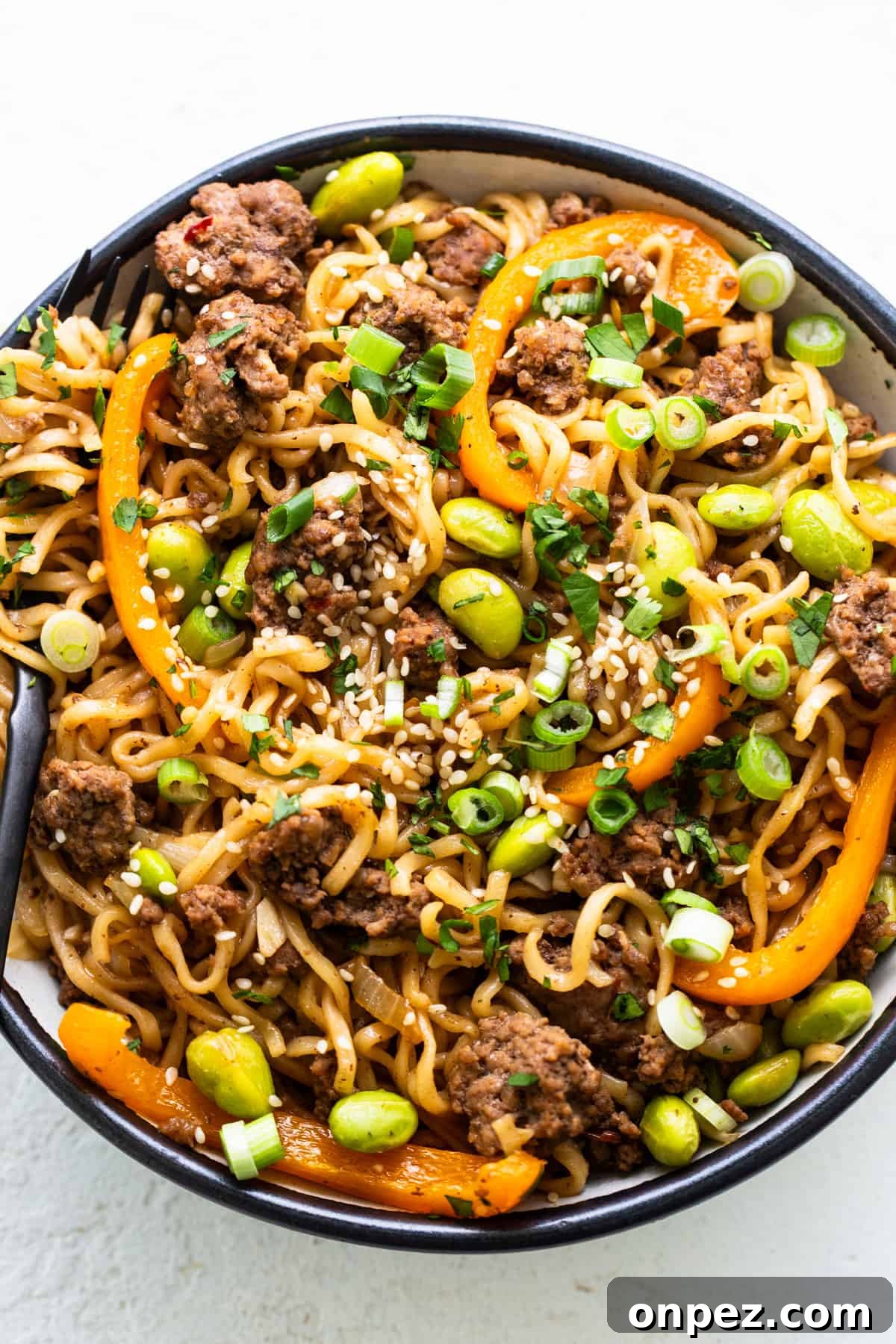
These One-Pot Ground Beef Ramen Noodles turn classic instant ramen into a hearty, flavorful weeknight dinner. Tender ramen noodles, savory ground beef, crisp vegetables, and a simple ginger-soy sauce all cook together in one pot for a meal that feels comforting, nostalgic, and a little more elevated than the packet version.
The sauce is made with soy sauce, garlic chili sauce, fresh ginger, honey, rice vinegar, and sesame oil, giving the noodles a balanced mix of salty, sweet, tangy, and lightly spicy flavors. Add beef broth, ramen noodles, bell pepper, and edamame, and you have an easy one-pot ramen recipe that is filling, colorful, and quick to clean up.
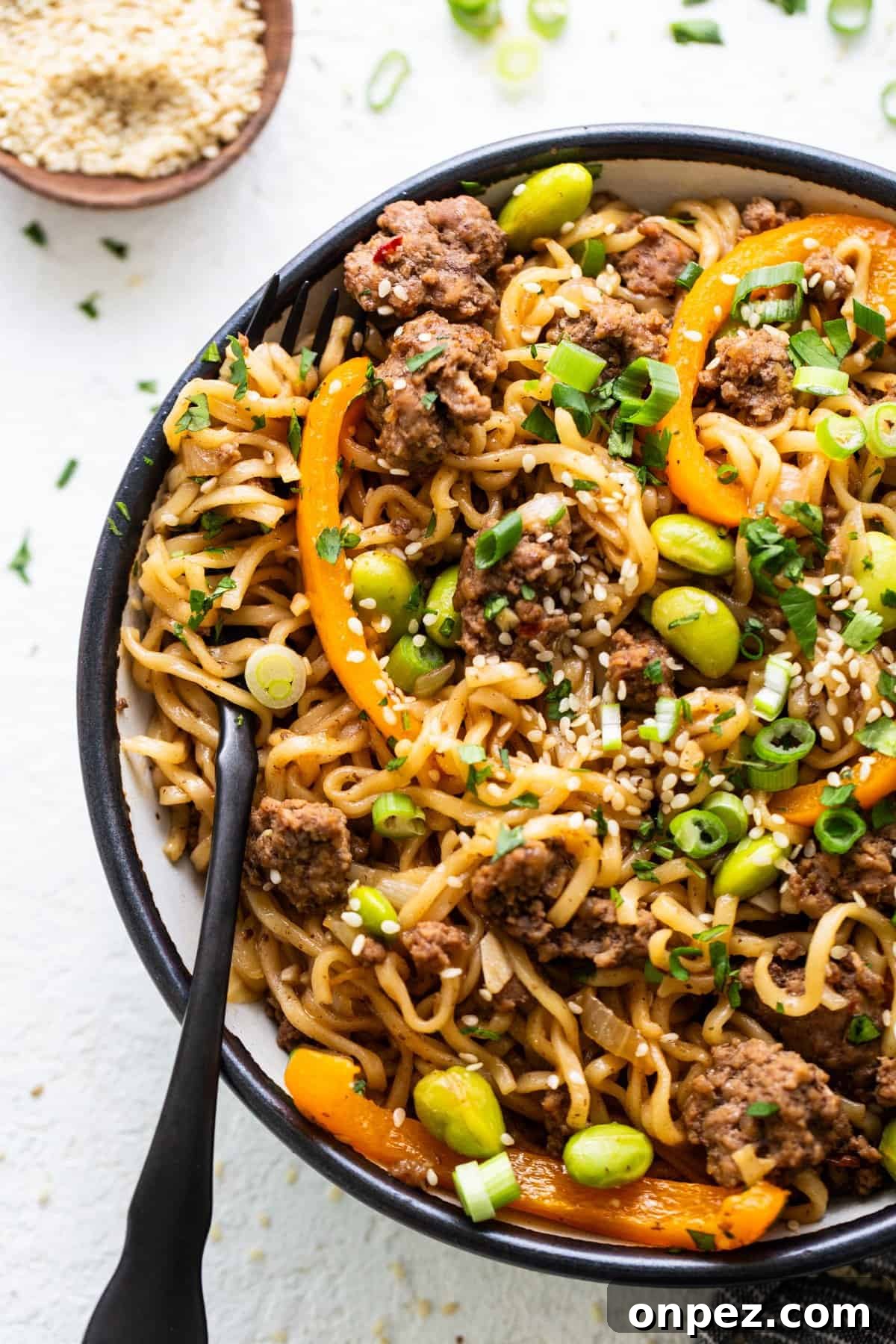

If instant ramen brings back memories of college meals, late-night snacks, or budget-friendly dinners, this recipe will feel familiar in the best way. It has the same cozy ramen noodle appeal, but with fresh ingredients, a richer sauce, and plenty of texture. It is not a traditional ramen soup, but it has all the savory beef ramen flavor you crave in a satisfying noodle bowl.
This one-pot ground beef ramen is especially useful for busy nights. The prep is simple, the cook time is short, and everything comes together in about 30 minutes. Since the noodles cook directly in the broth and sauce, they soak up plenty of flavor while keeping cleanup easy.
One-Pot Ground Beef Ramen Noodles – What You Need
- Soy sauce: This is the salty, umami-rich base of the sauce and gives the ramen its signature savory flavor.
- Garlic chili sauce: A small amount adds heat, depth, and a bold chili-garlic taste without making the dish overly spicy.
- Ginger: Fresh grated ginger brings a bright, warm bite to the sauce. Ground ginger can be used if fresh ginger is not available.
- Ground beef: Ground beef makes the ramen more filling and adds rich flavor that pairs well with the soy-ginger sauce.
- Ramen noodles: Any dry ramen noodle brand will work. Discard the seasoning packets and use only the noodles.
- Vegetables: Bell pepper and shelled edamame add color, texture, and extra substance to the dish.
Use High-Quality Beef
Good-quality ground beef can make a noticeable difference in this simple ramen noodle recipe. Since the beef is one of the main ingredients, choosing a flavorful option helps create a richer, more satisfying dish.
Variations and Substitutions
Rice vinegar: If you do not have rice vinegar, you can use another vinegar you already have, such as apple cider vinegar or white wine vinegar.
Protein: Ground turkey, ground pork, ground chicken, or tofu can be used in place of ground beef. Tofu is a good option if you want a vegetarian version.
Vegetables: Use the vegetables you have on hand. Baby corn, bok choy, snow peas, broccoli, carrots, mushrooms, and kale are all good choices for this one-pot ramen noodle dinner.
Broth: Beef broth adds a deep, savory flavor, but chicken broth or vegetable broth can also be used. Keep in mind that changing the broth will change the overall taste of the dish.
What Are Some Other Topping Ideas?
This ground beef ramen is delicious as written, but toppings can make each bowl even better. Try adding soft-boiled eggs, nori sheets, or even sliced cheese. The cheese may sound unexpected, but it melts into the hot noodles and adds a creamy, rich finish.
Fresh green onions, cilantro, and sesame seeds are included in the recipe and add a bright, fresh contrast to the savory noodles. If you like extra heat, you can add more garlic chili sauce when serving.
How to Store Leftovers
Store leftover ground beef ramen noodles in an airtight container in the refrigerator for up to 3 days. To reheat, microwave until warmed through. The noodles may absorb more sauce as they sit, so stir them well before serving.
Can You Freeze These Noodles?
Freezing cooked ramen noodles is not recommended. Cooked noodles can become soft and lose their texture after freezing and thawing, so this recipe is best enjoyed fresh or refrigerated for a few days.
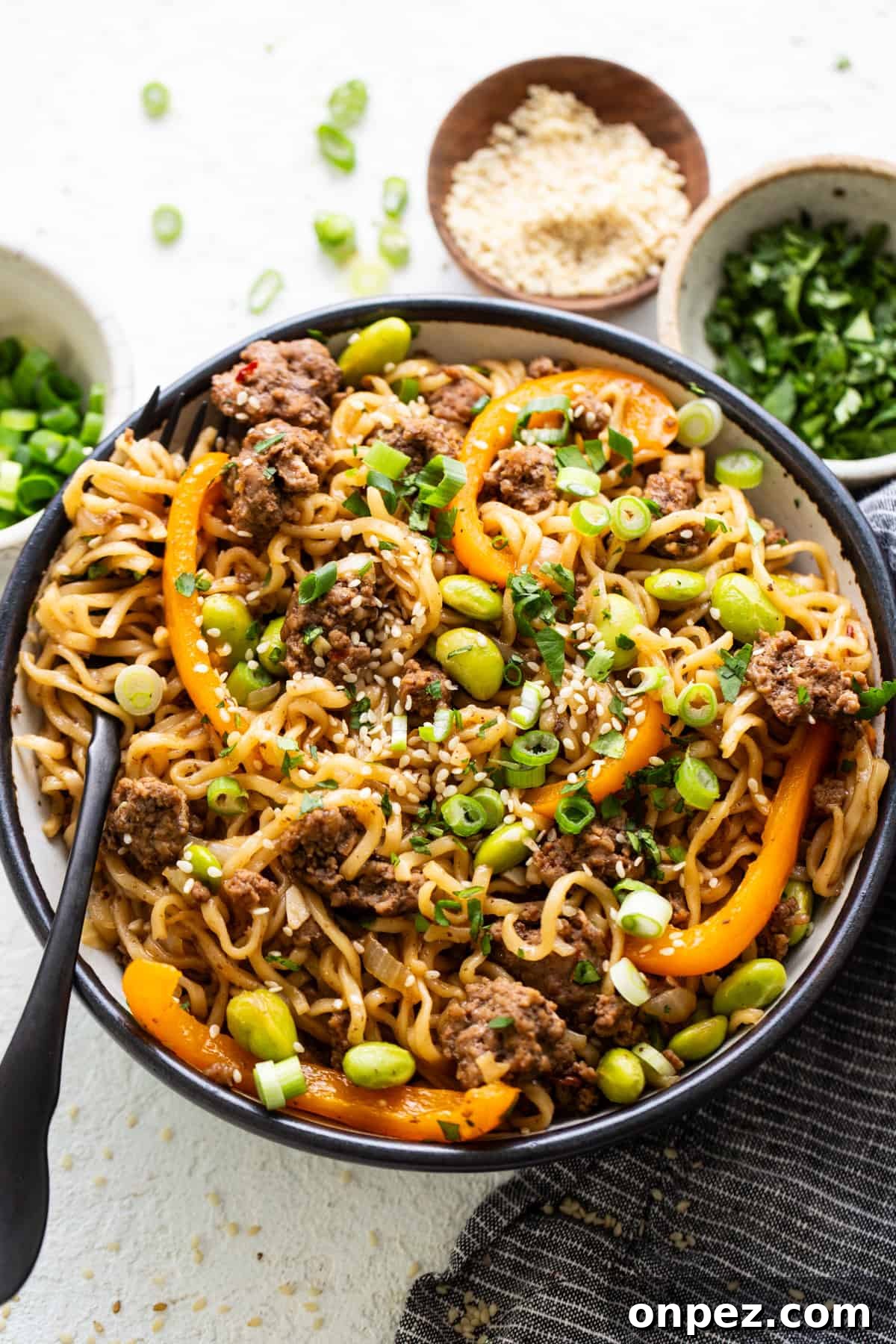
One-pot meals are perfect when you want a satisfying dinner without a sink full of dishes afterward. This easy ramen noodle recipe keeps everything simple while still delivering big flavor.
More Favorite One-Pot Ideas
Tasty One-Pot Recipes
- One Pot Moroccan Chicken
- One Pot Chickpea Curry
- One-Pot Za’atar Meatballs and Quinoa
- One-Pot Black Bean Quinoa Chili
One-Pot Ground Beef Ramen Noodles
Ingredients
- ¼ cup soy sauce
- 2 teaspoons garlic chili sauce
- 2 teaspoons fresh grated ginger
- 2 tablespoons honey
- 1.5 tablespoons rice vinegar
- 1 tablespoon sesame oil
- 1 lb. ground beef
- ½ small white onion, diced
- 4 garlic cloves, minced
- 2.5 cups beef broth
- 9 oz. ramen noodles, uncooked, seasoning packets discarded
- 1 bell pepper, sliced
- 12 oz. shelled edamame
- 3 green onions, chopped
- ¼ cup chopped fresh cilantro
- 2 tablespoons white sesame seeds
Instructions
-
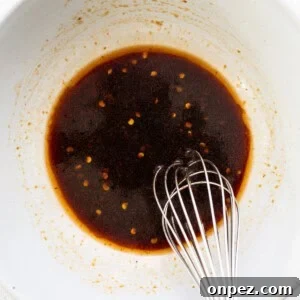
Make the sauce first. Whisk together the soy sauce, garlic chili sauce, ginger, honey, rice vinegar, and sesame oil. Set aside.

-
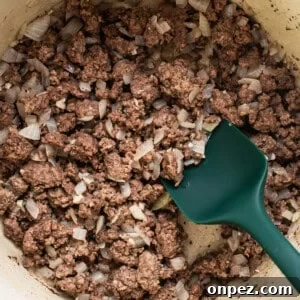
Add the ground beef to a large pot or Dutch oven. Cook over medium-high heat for 2 to 3 minutes, until partially cooked.
-
Add the diced white onion and minced garlic. Sauté for another 2 to 3 minutes, or until fragrant.
-
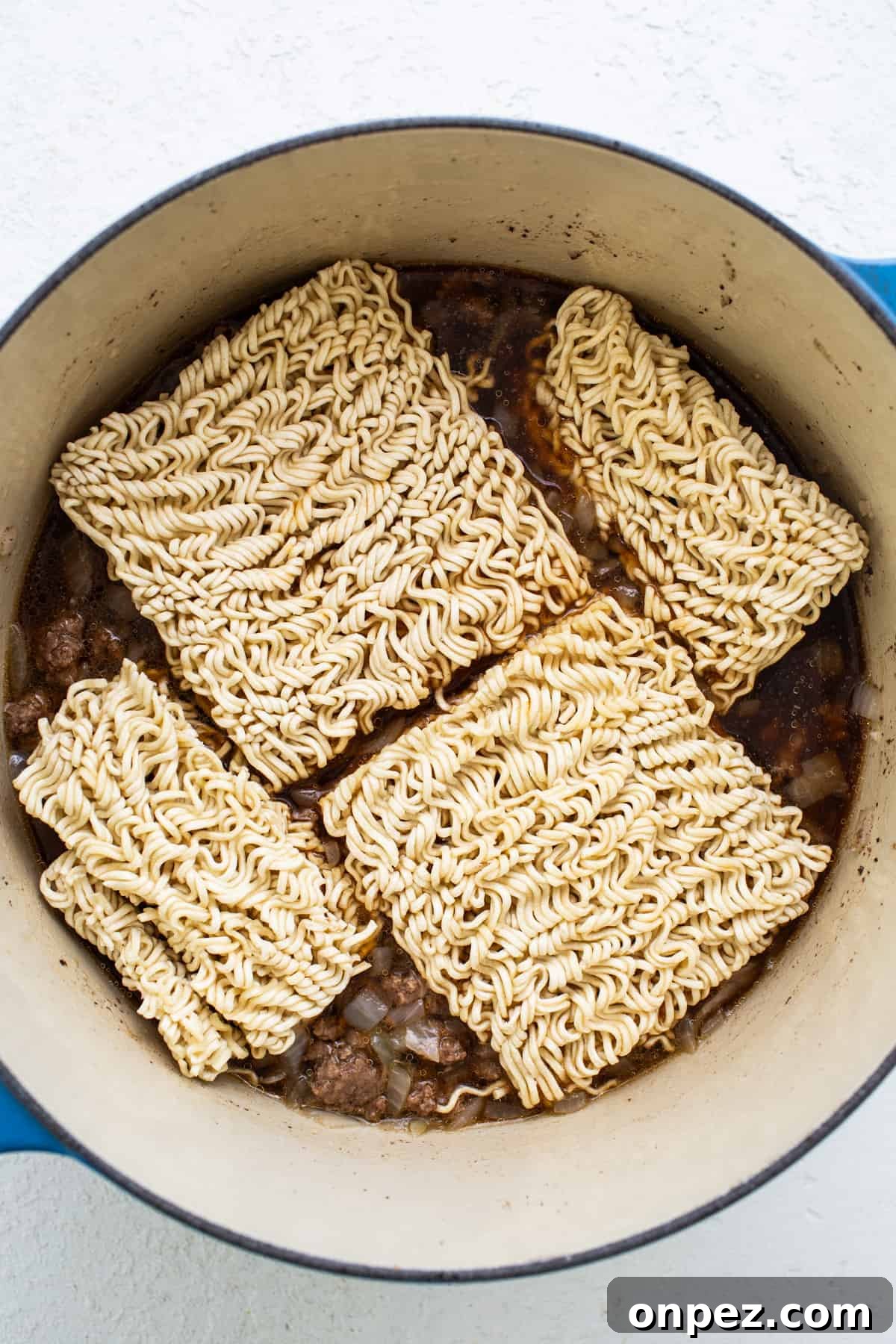
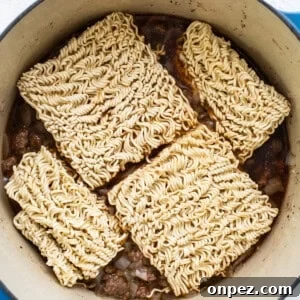
Pour in the beef broth and prepared ginger sauce. Bring the mixture to a boil, then submerge the dry ramen noodles in the liquid. Reduce the heat to medium, cover the pot, and cook for 2 minutes.
-
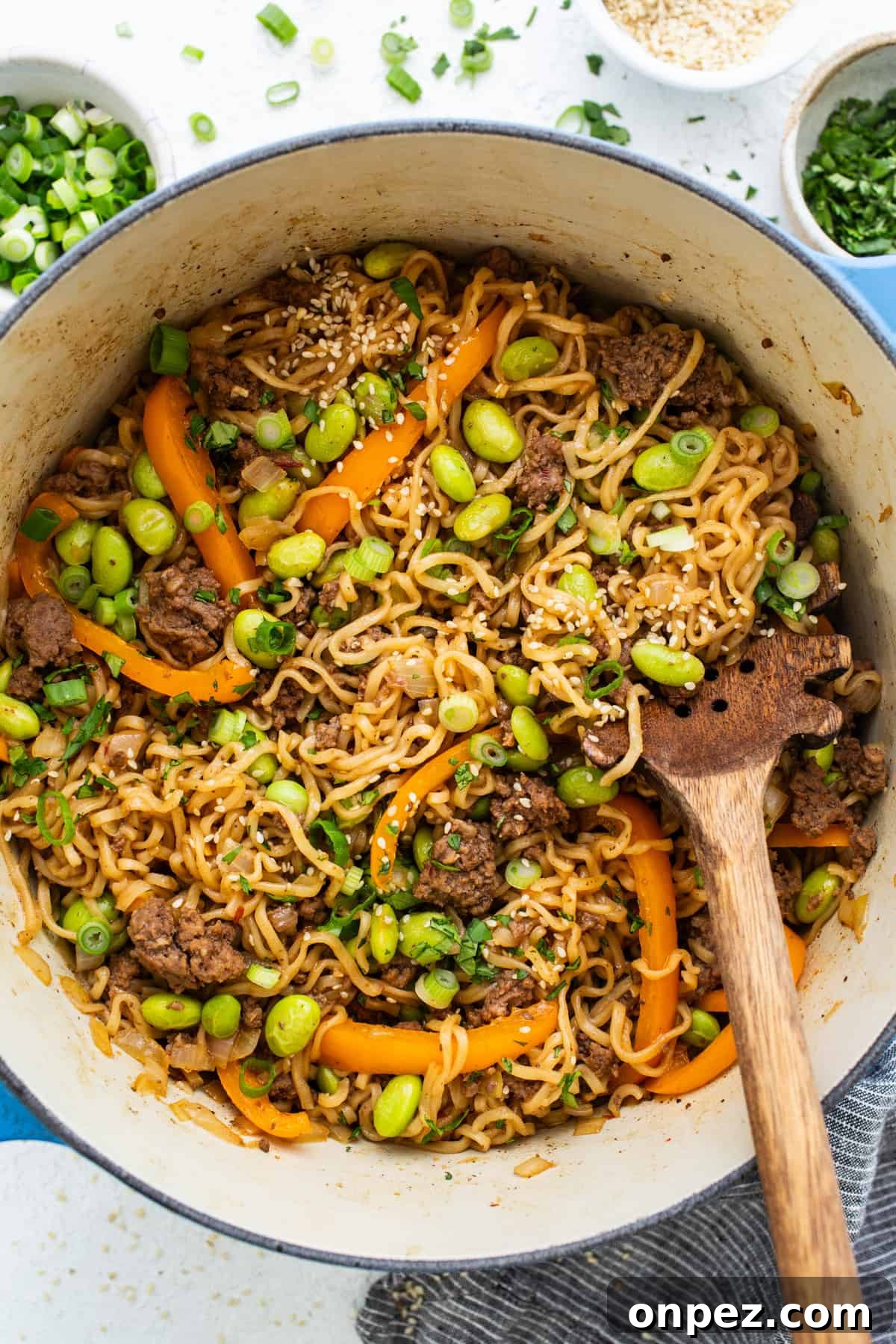
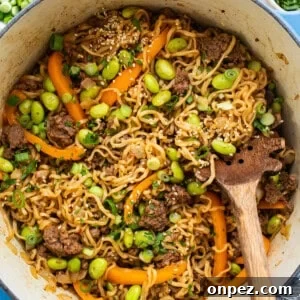
Stir the noodles to separate them and combine everything in the pot. Add the sliced bell pepper and shelled edamame. Cover and continue cooking for 3 to 4 minutes.
-
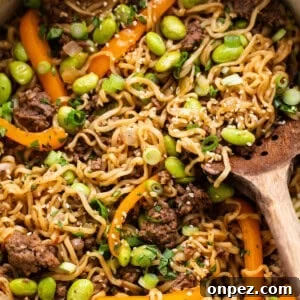
Remove the pot from the heat and stir. If most of the liquid has been absorbed, serve the noodles with green onions, cilantro, and sesame seeds. If there is still too much liquid, cover the pot and let it sit for a few minutes before serving.
Tips & Notes
- Any dry ramen noodle brand will work for this recipe.
- Rice vinegar can be replaced with another vinegar if needed.
- Different broths can be used, but the flavor of the finished dish will change depending on the broth you choose.
Nutrition
Nutrition information is automatically calculated and should be used only as an approximation.
Photography: photos taken in this post are by Ashley McGlaughlin from The Edible Perspective.