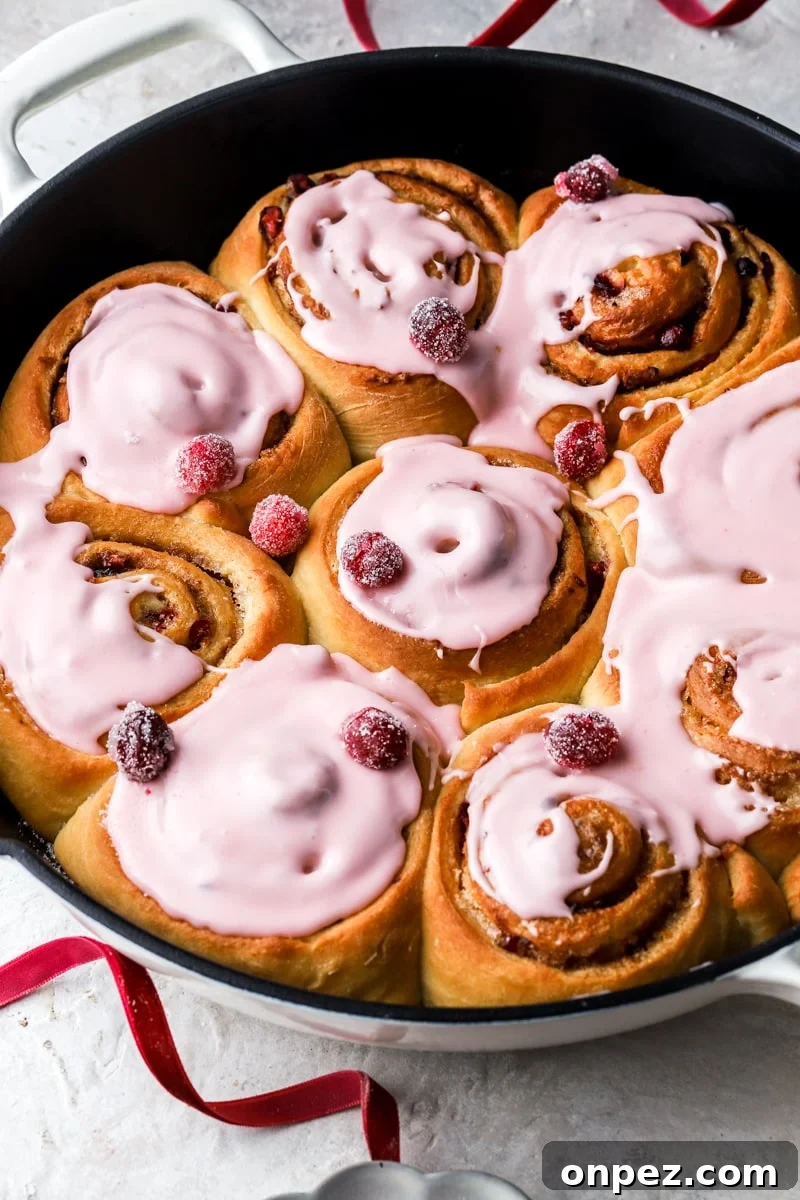
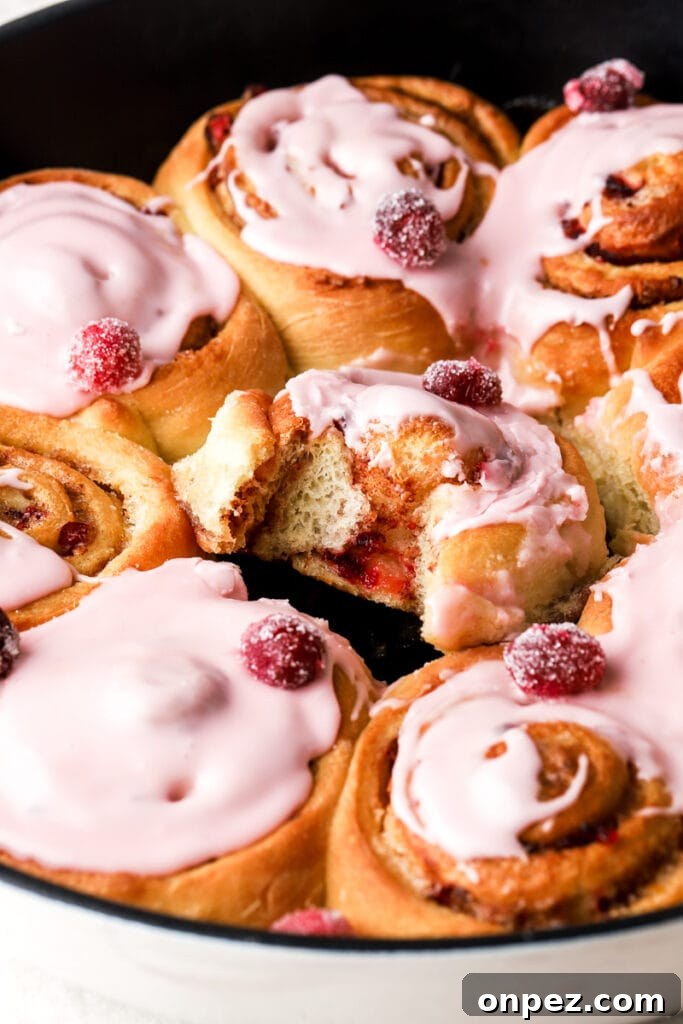
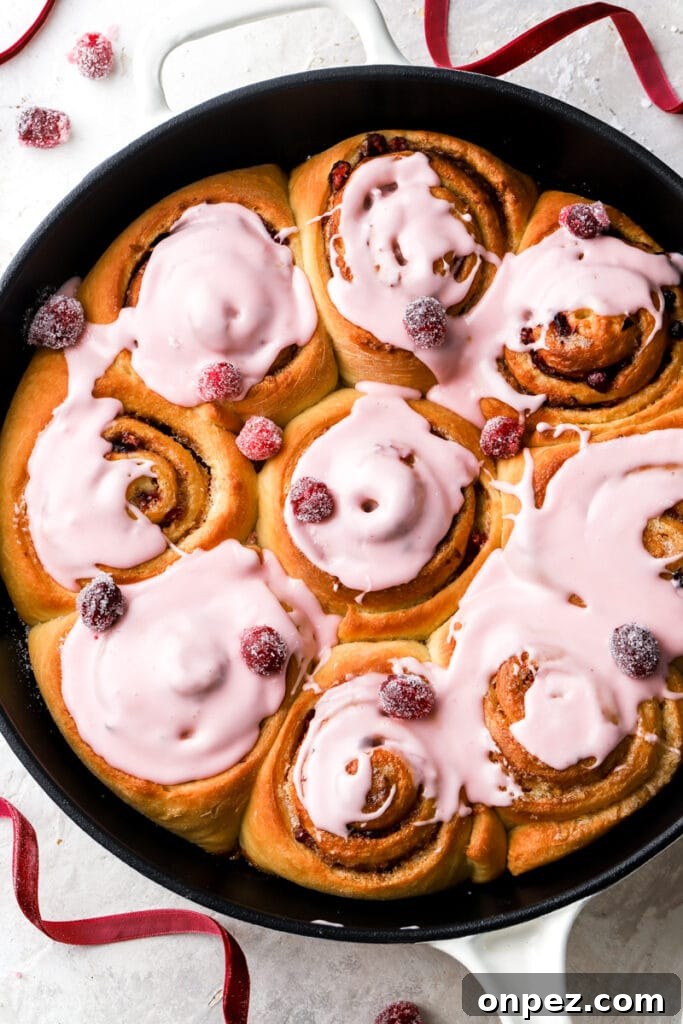
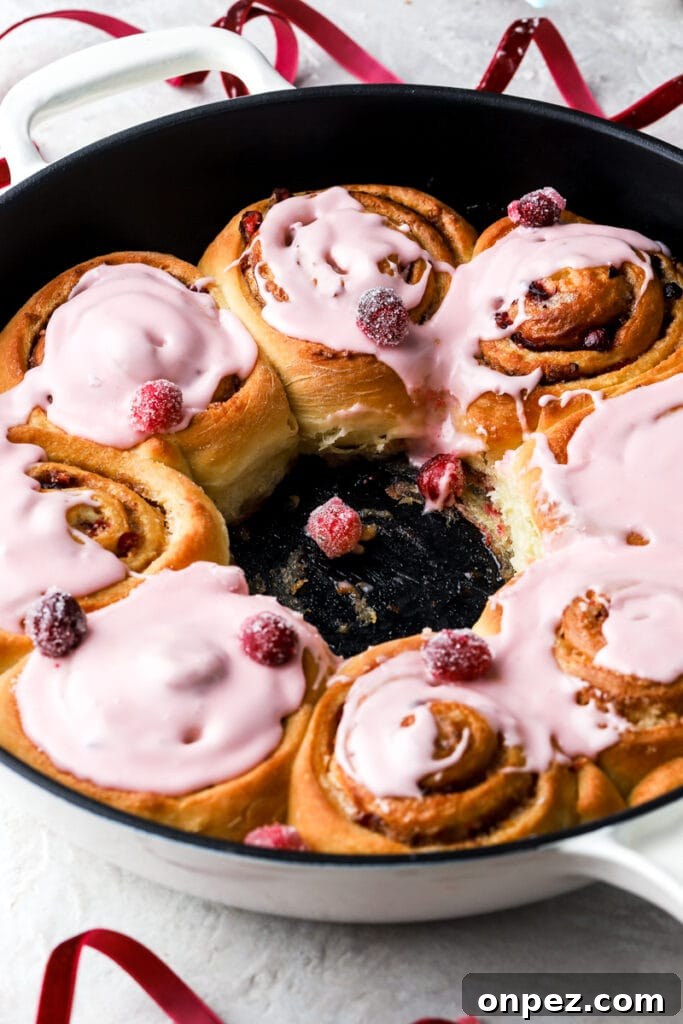
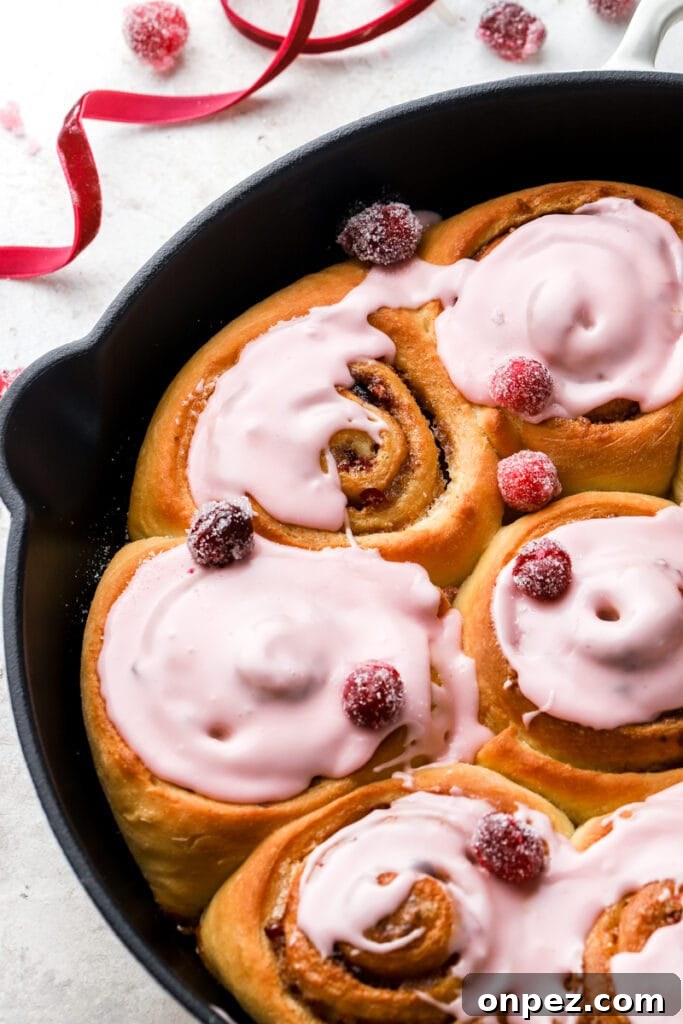
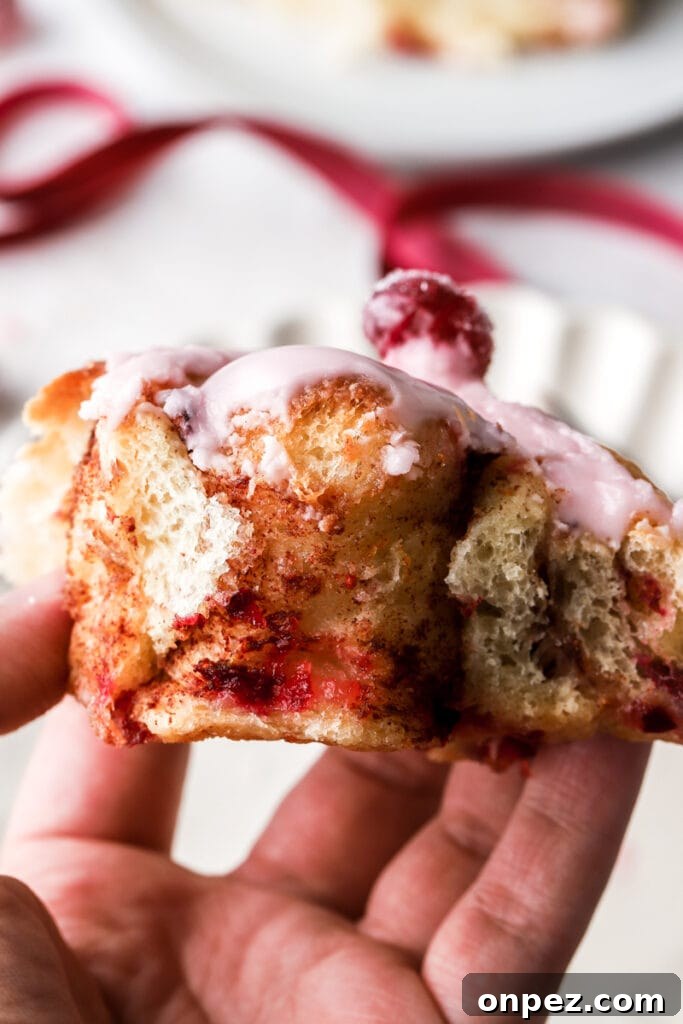
The absolute best cranberry cinnamon rolls: a tender, orange-zested brioche dough rolled with citrus sugar and finely chopped cranberries. Finished with a bright cranberry glaze and sugared cranberries.

Why you’ll love these cinnamon rolls
- The dough is incredibly soft and pillowy; a little cranberry moisture keeps the rolls tender and moist.
- Tart cranberries complement the bright citrus sugar and warm cinnamon for a balanced, festive flavor.
- These rolls can be shaped ahead and refrigerated, then baked fresh for special mornings like holidays.
If you enjoy cranberry and orange together, try variations like cranberry orange cake or other citrus-baked goods to pair with these rolls.
For other breakfast favorites, consider traditional or walnut-studded rolls — they follow a similar method and make great alternatives for holiday mornings.
Ingredients & Substitutions
- Flour: Bread flour or all-purpose both work. Measure by weight for consistent results.
- Yeast: Active dry yeast is used here; instant yeast can be substituted (mix directly in and expect faster proofs).
- Sugar: Granulated sugar is used in the dough and filling. Powdered sugar is used to extract cranberry juice for a smooth glaze.
- Water: Using water instead of milk produces a softer brioche-style dough in this recipe.
- Butter: Salted or unsalted butter is fine; dairy-free butter also works for a dairy-free option.
- Eggs: Use one large egg at room temperature; warm it briefly in hot water if needed.
- Cranberries: Fresh cranberries are chopped small so the tartness is balanced across the rolls.
- Orange: Zest the orange into the dough and use more zest in the filling for a clear citrus lift.
Step-by-Step Instructions
Step 1: Rub orange zest into sugar. Rub the orange zest into the sugar intended for the dough and do the same with the sugar reserved for the filling. This releases essential oils and boosts flavor.
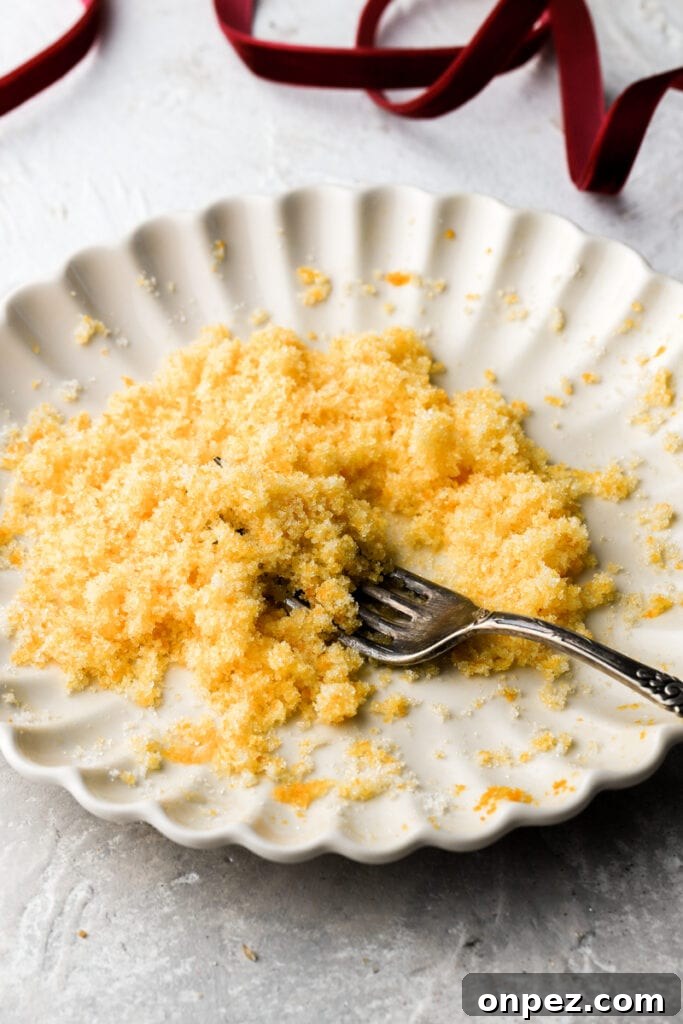
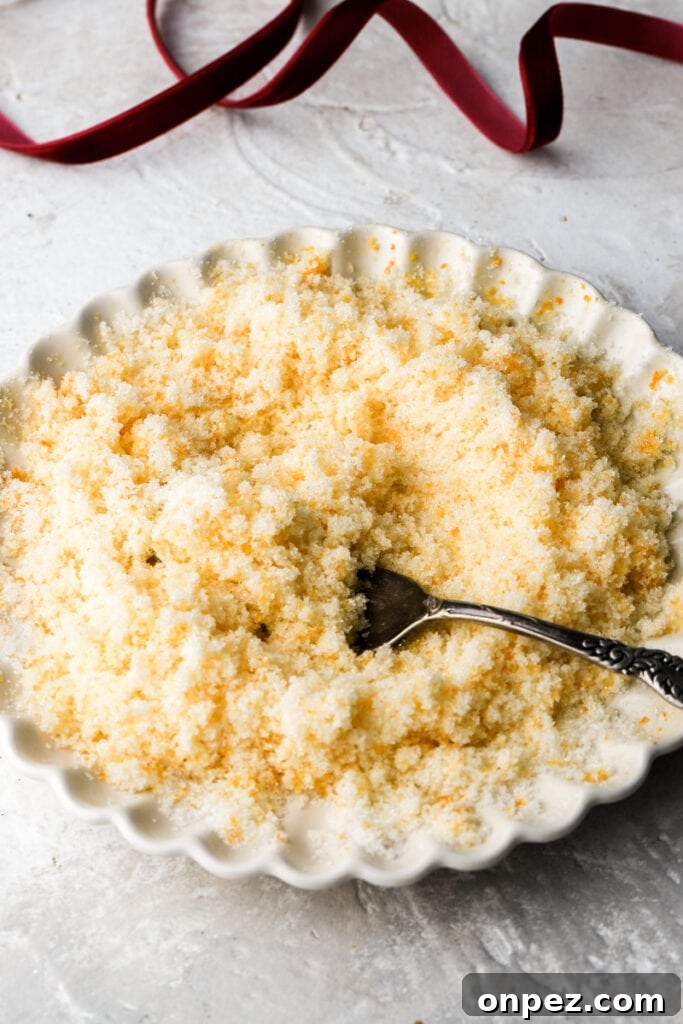
Step 2: Make the dough. Activate the yeast with warm water and some sugar until foamy. Add melted butter and the egg, then mix in the flour and salt. Knead with a hook attachment for 5–10 minutes, or 10–15 minutes by hand, until smooth and slightly tacky.
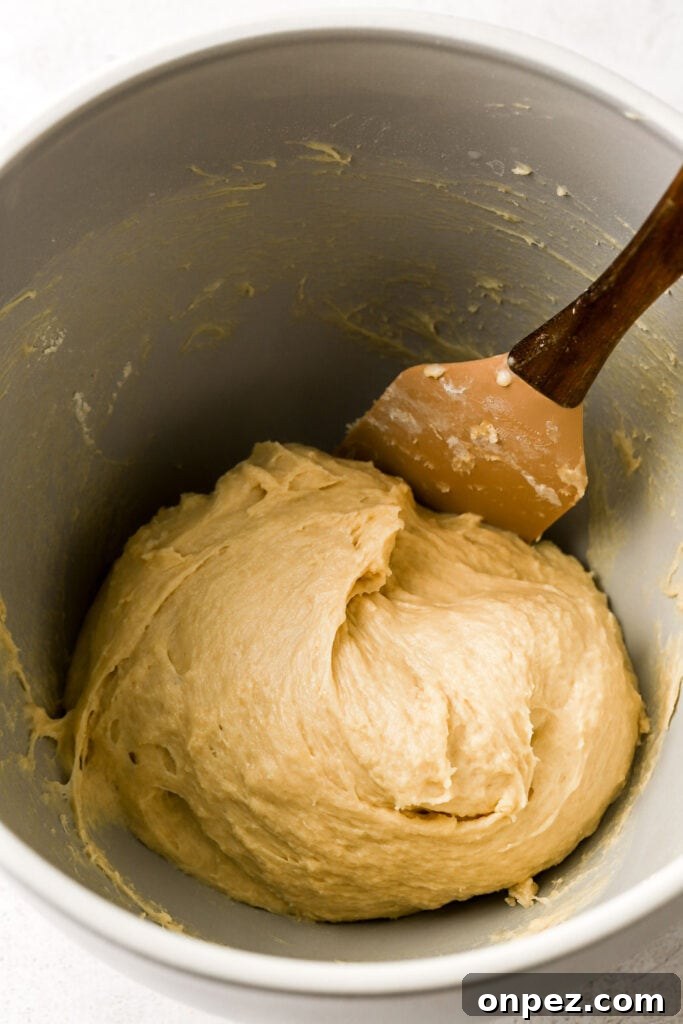
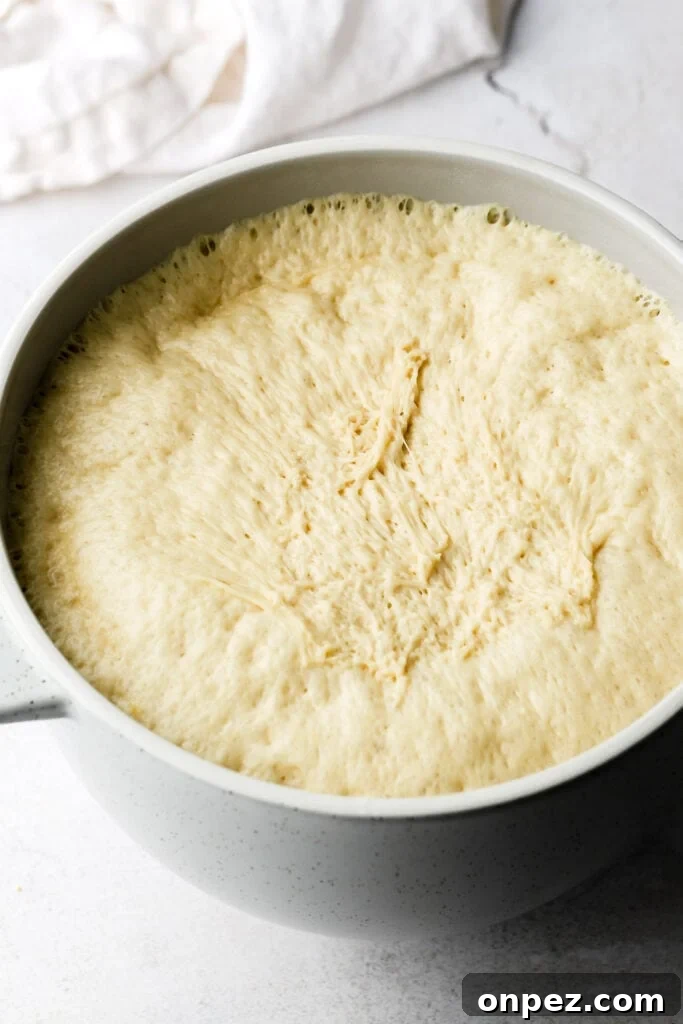
Step 3: First proof. Cover the dough and let it rise in a warm spot for about 60–90 minutes, until doubled and airy.
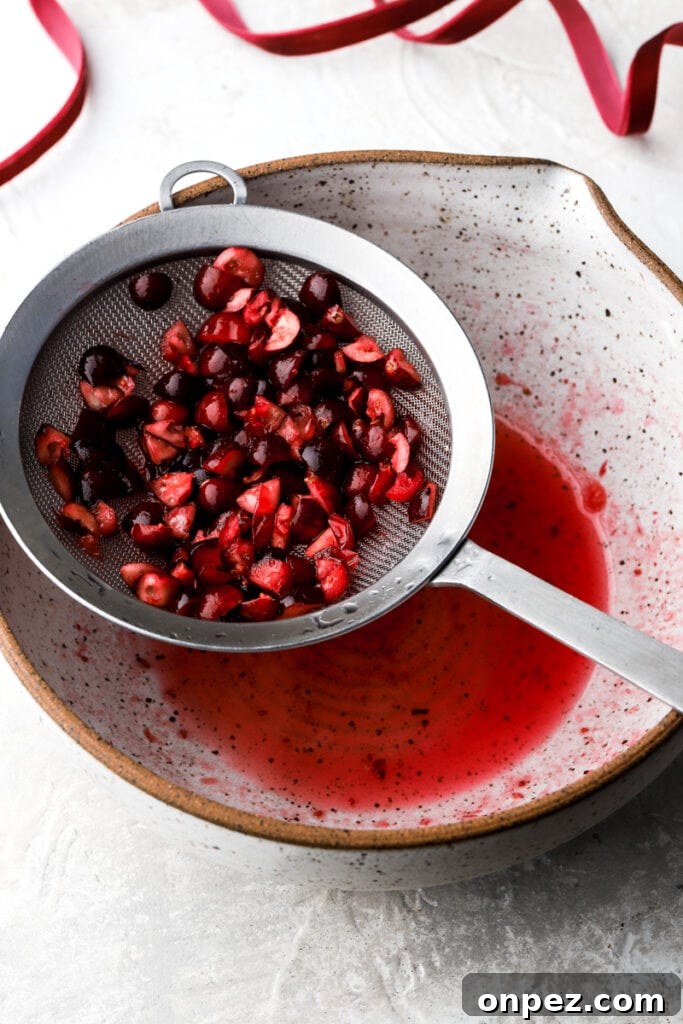
Step 4: Prepare the filling. Chop cranberries into quarters (or eighths if large). Combine with the powdered sugar and orange juice, then let them sit while the dough finishes its first rise. Reserve the strained juice for the glaze.
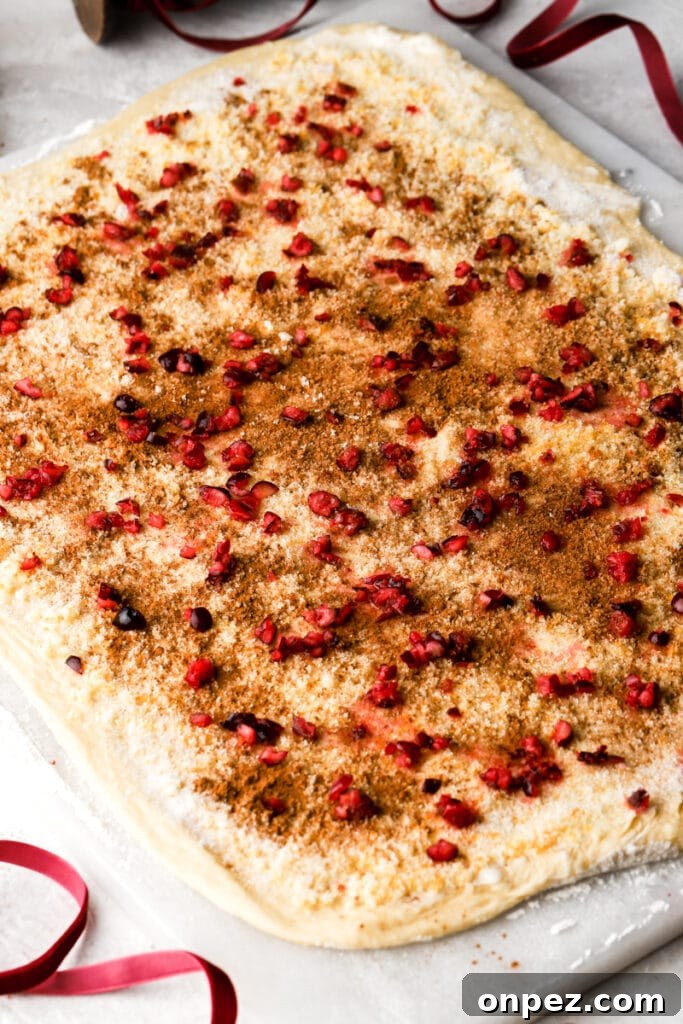
Step 5: Shape the dough. Punch the dough down, place on a floured surface and stretch it by hand to a rough rectangle. Roll it with a pin to about 12×16 inches. Strain and reserve the cranberry-orange juice for the icing.
Step 6: Add the filling. Spread softened butter evenly over the dough. Sprinkle the citrus sugar and cinnamon across the butter, then distribute the chopped cranberries evenly.
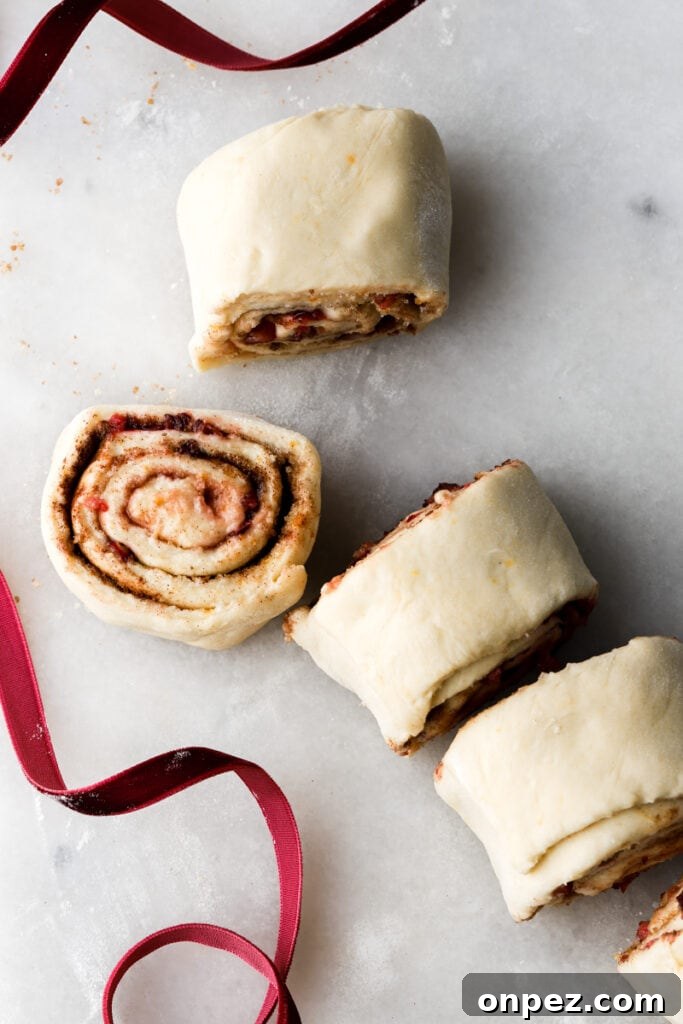
Step 7: Roll and cut. Roll the dough into a tight log from a short end to make a shorter, thicker log. Slice into 9 or 12 rolls with a serrated knife. Place them in a greased pan, cover, and proof again for 30–45 minutes until nearly doubled.
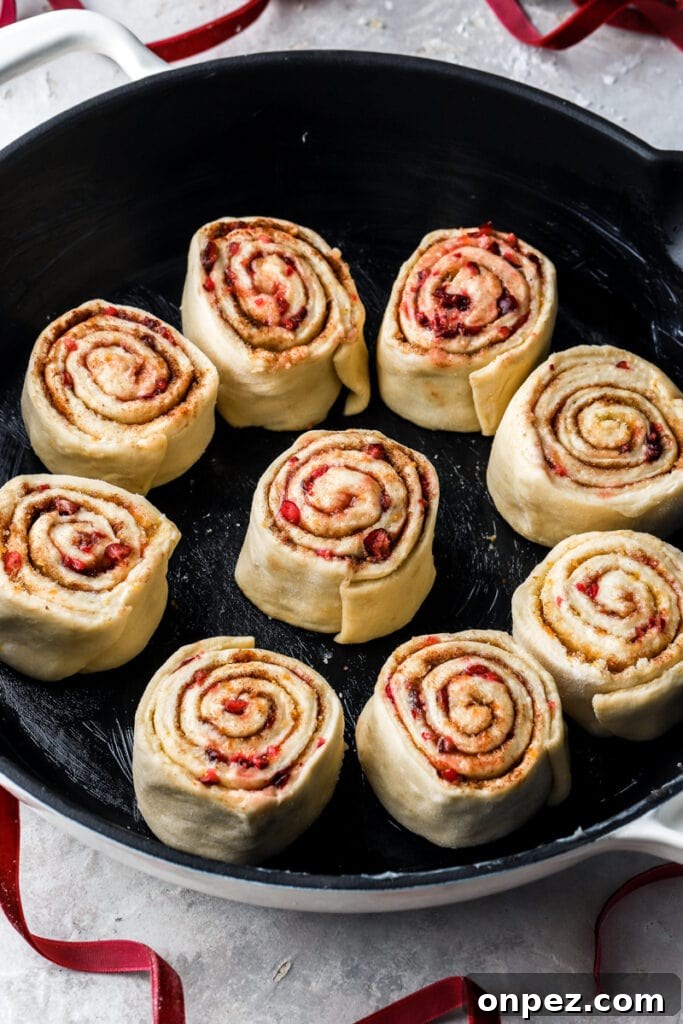
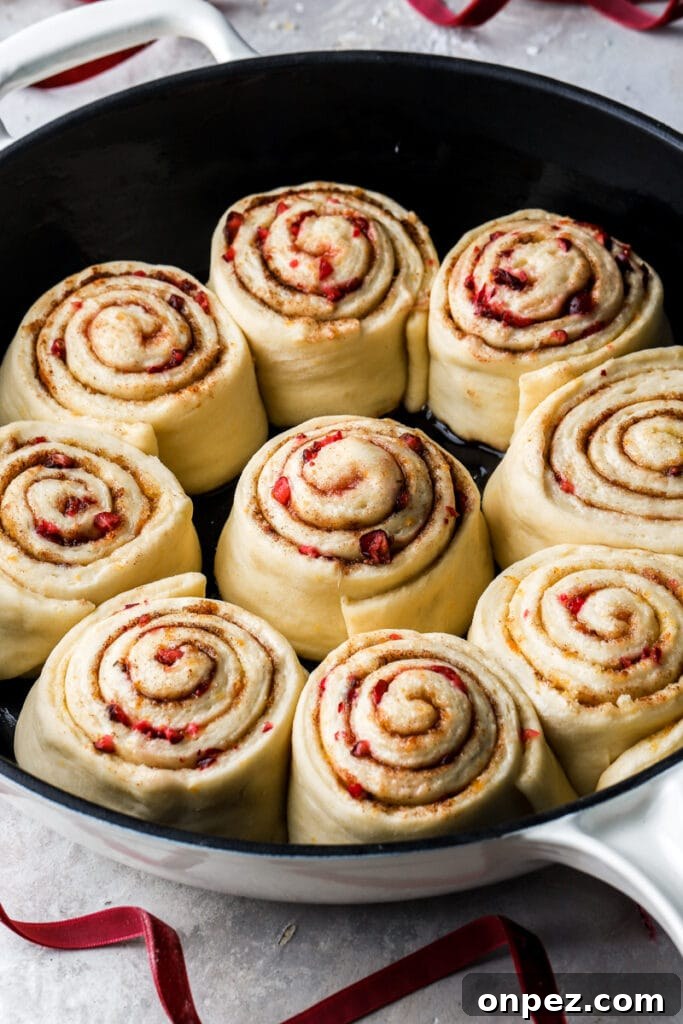
Step 8: Bake. Preheat oven to 350°F (177°C) convection. Optionally pour heavy cream between the rolls before baking for extra gooeyness. Bake 22 minutes for 12 rolls or about 27 minutes for 9 rolls, until the bottoms are set and the tops are golden.
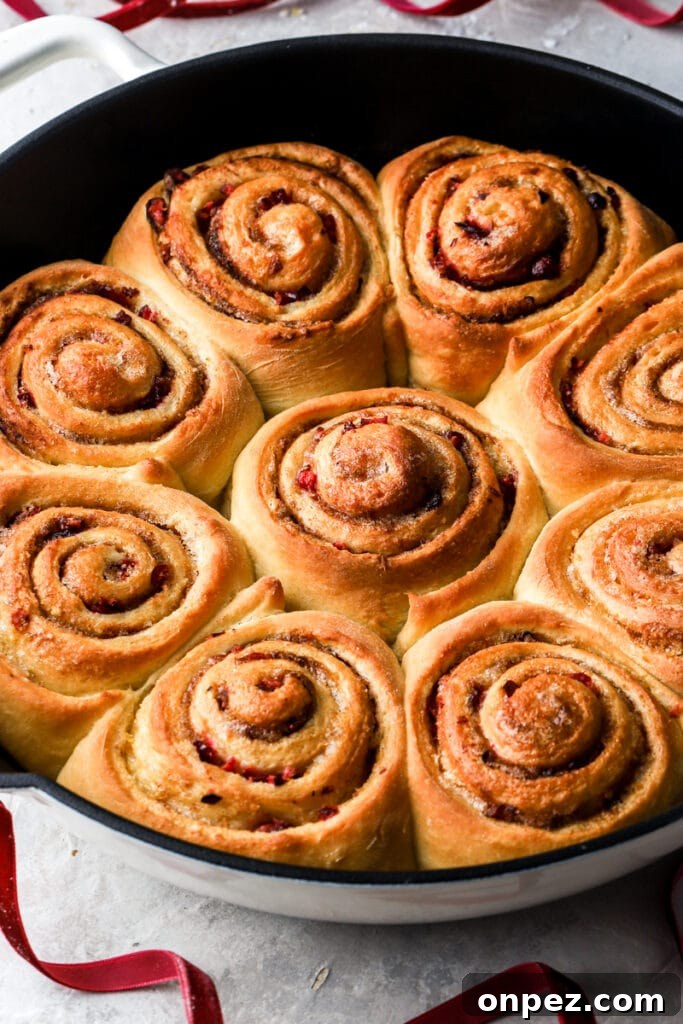
Step 9: Glaze and serve. Let the rolls cool for a few minutes. Mix 2 tablespoons of the reserved cranberry-orange juice with powdered sugar to make a glaze, then spread it over the warm rolls and serve.
What temperature to proof dough at?
Proof the dough at a comfortable warm temperature. Room temperature is usually fine, but a slightly warmer environment (about 75°F / 24°C to 100°F / 38°C) speeds the rise. Avoid temperatures above 120°F / 50°C, which can kill yeast.
Alternatively, retard the dough in the refrigerator for a slower overnight proof; this develops more flavor. If refrigerated, bring the dough back to room temperature before continuing.
How to know when dough is done rising/proofing
Rising and proofing are two rest periods: the first rise after mixing and the second after shaping. A good rule is that the dough should roughly double in size each time. Gently press your finger into the dough — it should slowly spring back and leave a small indentation.
If it springs back immediately it needs more time; if it doesn’t spring back at all, it may be over-proofed and could collapse in the oven.
How to make rolls overnight
To bake fresh in the morning, shape and slice the rolls, place them in the prepared pan, cover tightly with plastic wrap, and refrigerate overnight. Remove and let warm for about 45 minutes before baking as directed.
How to store cranberry rolls
Store cooled rolls in an airtight container at room temperature for 1–2 days. For longer storage, refrigerate up to one week. Reheat briefly in the microwave or oven before serving.
Frequently Asked Questions
Yes. Use dairy-free butter in the dough and filling; heavy cream can be omitted or replaced with a non-dairy alternative if desired.
This recipe has not been tested with gluten-free flours. If you try a gluten-free adaptation, allow for adjustments in hydration and texture and share your results.
A 9×13-inch pan works well for 12 rolls. For 9 larger rolls, a 12–13-inch round pan or cast iron skillet will work but may reduce bake time slightly.
Yes. Omit the zest and orange juice and make pure cranberry rolls, or use orange alone by omitting the cranberries and using orange juice in the glaze.

Thanks for reading. If you try these cranberry orange rolls, leave feedback so others can benefit from your tips and experience.
Happy baking!
Love, B
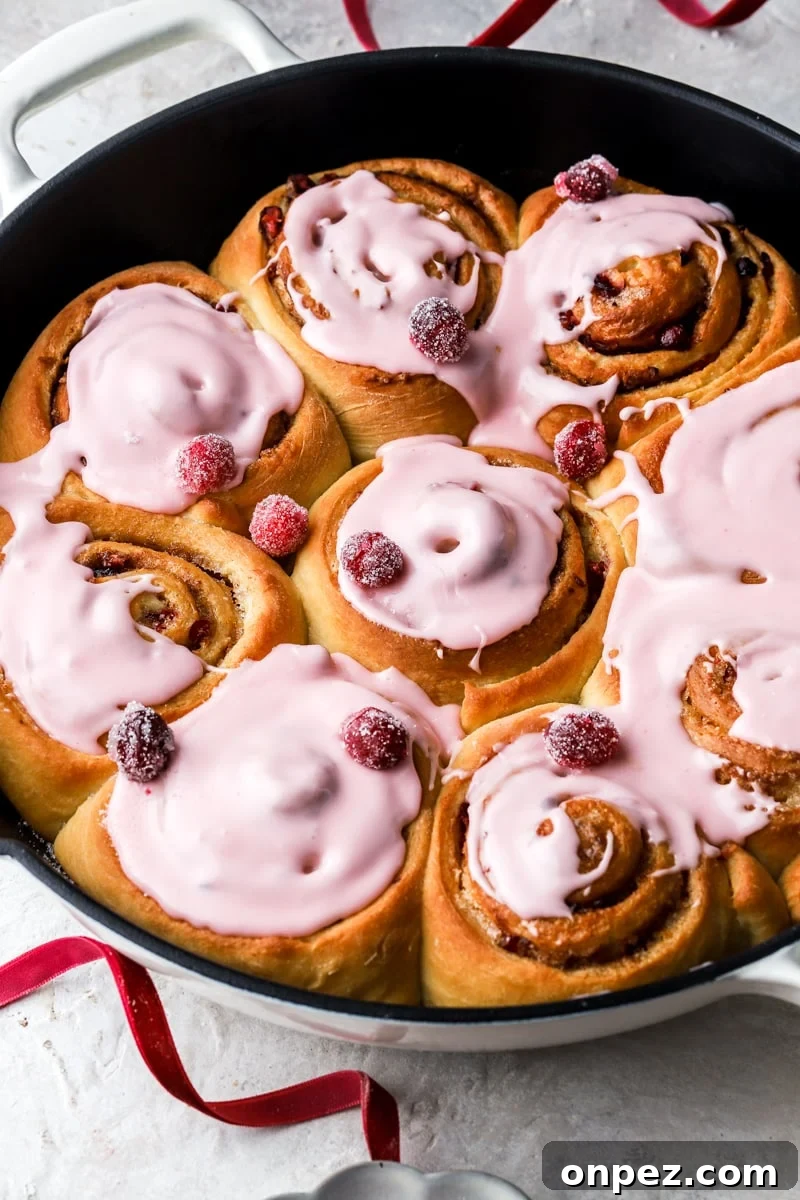
Cranberry Orange Cinnamon Roll Recipe
Equipment
- Stand mixer with hook attachment
- Offset spatula
- Small bowl
- Knife
Ingredients
Dough
- 50 grams granulated sugar
- Zest from 1 large naval orange
- 240 mL warm water
- 7 grams active dry yeast
- 1 large egg, room temperature
- 113 grams salted butter, melted
- 420–480 grams bread flour (or all-purpose), spooned and leveled
- 1 tsp fine sea salt
Filling
- 150 grams granulated sugar
- Zest from 1 large naval orange
- 50 grams cranberries, quartered
- 15 grams powdered sugar
- 30 mL orange juice (about half a large naval orange)
- 56 grams salted butter, softened
- 2 tsp ground cinnamon
- 60–120 mL heavy cream (optional, for extra goo)
Icing
- 30 mL leftover cranberry-orange juice from the filling
- 180 grams powdered sugar, spooned and leveled
Method
Dough
- Rub the orange zest into the 50 g sugar for the dough.
- Combine yeast with half the sugar and warm water; let rest 5–10 minutes until foamy.
- Add remaining sugar, melted butter, and the egg. Mix, then add flour and salt and mix until the dough comes together.
- Knead with a hook for 5–10 minutes (10–15 by hand) until the dough pulls away from the bowl. Add up to 60 g extra flour if too sticky.
- Cover and proof in a warm place (75–100°F / 24–38°C) for 60–90 minutes until doubled.
Filling
- Rub zest from a second orange into 150 g sugar for the filling and set aside.
- Quarter the cranberries and mix with 15 g powdered sugar and 30 mL orange juice. Let sit and reserve the juice for the glaze.
Shape
- Grease a 9×13×2 inch pan or a 12–13 inch round pan.
- Punch down dough, stretch to a rough rectangle, then roll to roughly 12×16 inches.
- Spread 56 g softened butter over the dough, sprinkle the orange sugar and cinnamon, then evenly distribute the cranberries.
- Roll from a short end into a tight log and slice into 9 or 12 rolls. Place in the pan, cover, and proof 30–45 minutes until nearly doubled.
- Preheat oven to 350°F / 177°C (convection). Optionally pour 60–120 mL heavy cream between the rolls before baking for extra goo.
- Bake about 22 minutes for 12 rolls or 27 minutes for 9 rolls until golden and set. Let cool a few minutes, then mix 2 Tbsp reserved juice with powdered sugar to make the glaze and spread over the warm rolls.
Notes
- Substitute instant yeast for active dry by mixing it directly into the dough; proof times will be shorter.
- For smaller rolls, roll the dough from the long edge and slice into 18 rolls; begin checking for doneness around 14 minutes.
- Adding heavy cream between the rolls before baking yields extra gooey, tender centers.