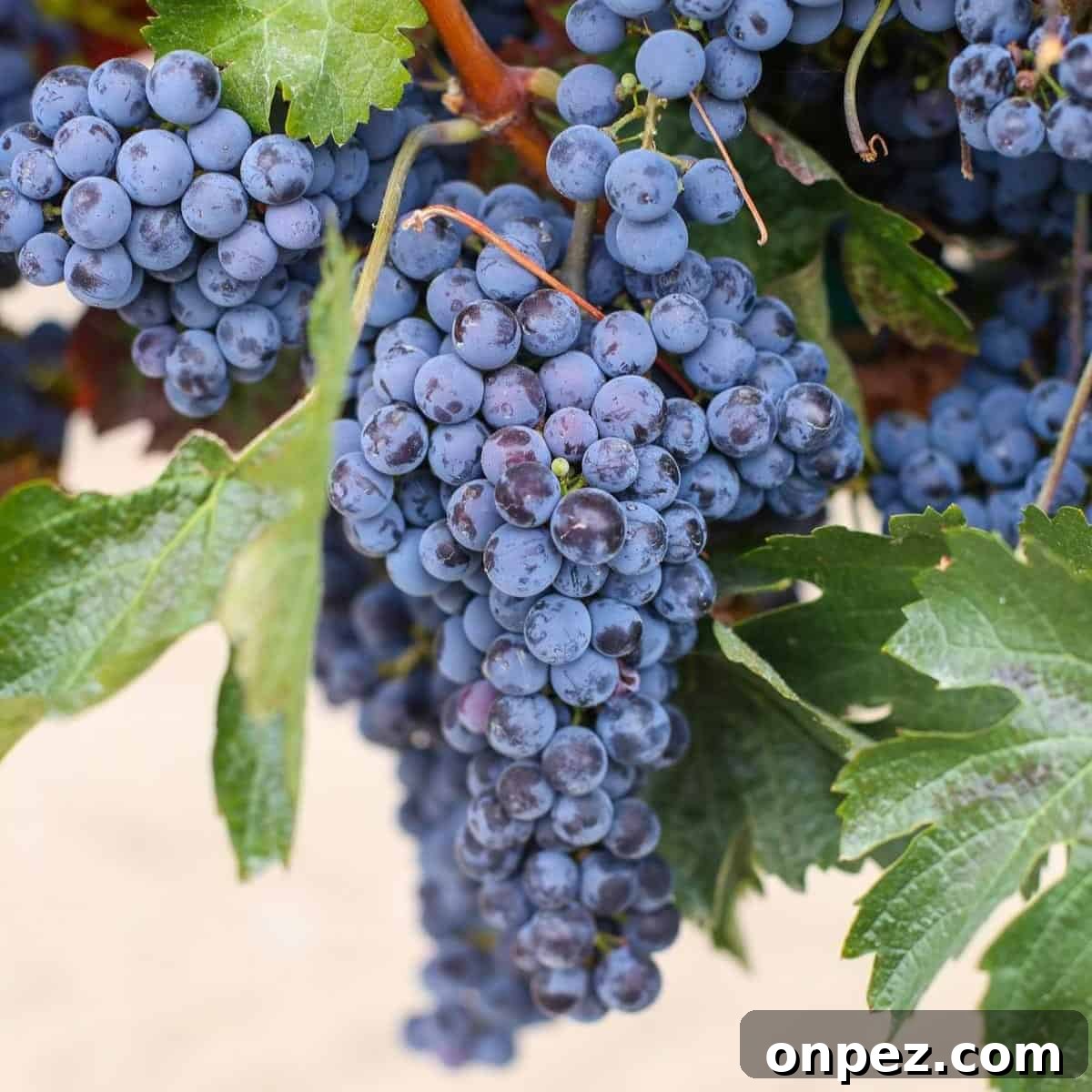
Zinfandel is often associated with bold, fruity wines and jammy flavors, but it offers much more. High-quality Zinfandel can be complex, food-friendly, and expressive of place. While White Zinfandel brought the grape mainstream attention decades ago, the dry red styles deserve separate recognition for their depth and versatility.
Here’s a clear, concise guide to Zinfandel—its origins, styles, growing regions, food pairings, and notable producers.
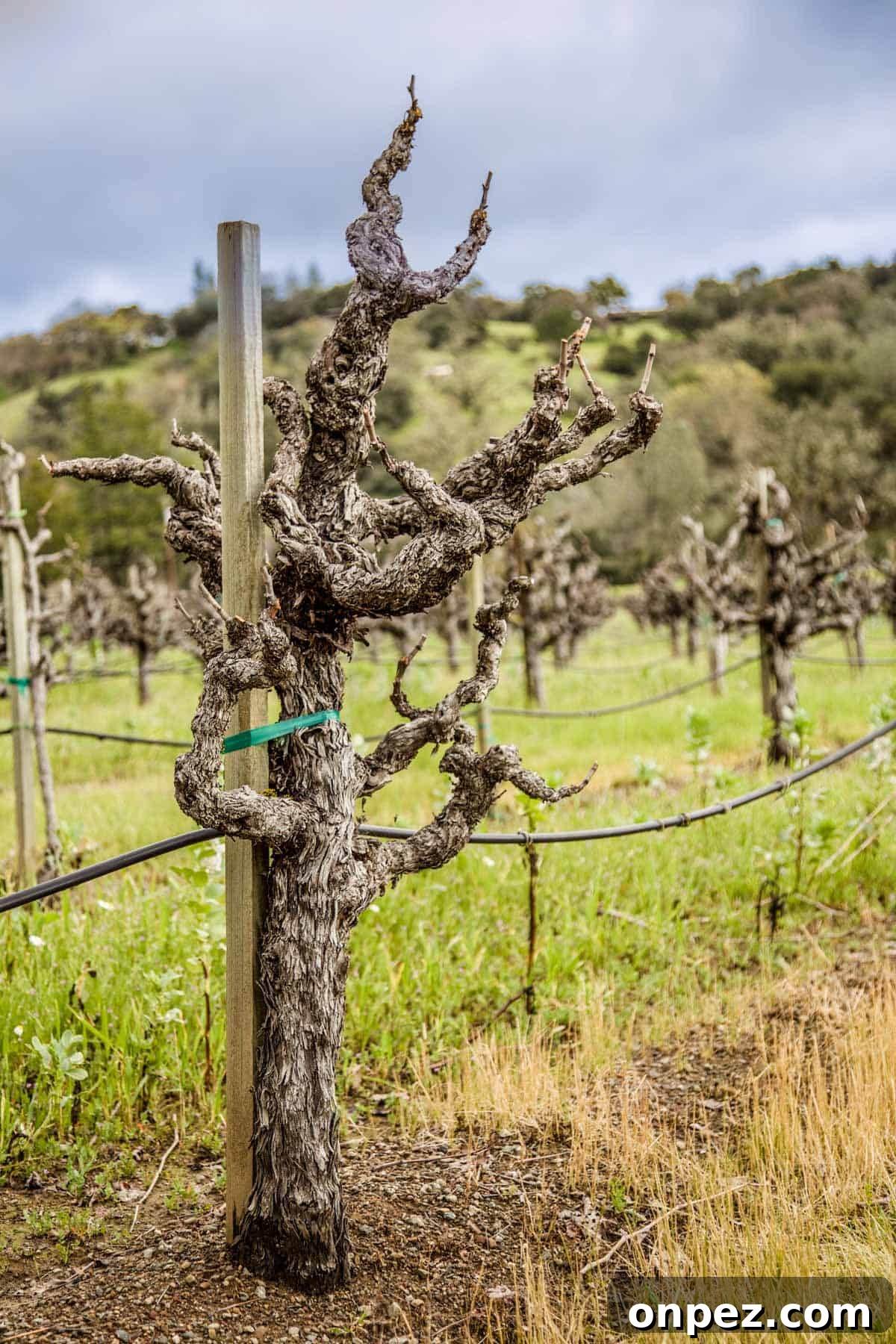
Table of Contents
- What is Zinfandel
- History
- White Zinfandel Wine
- What does Red Zinfandel Taste like?
- Where does Zin Grow
- Styles of Zinfandel
- Legendary Zinfandel Vineyards
- Where to Buy
- What Foods to Pair with Zinfandel
- Fun Facts:
- More Resources
What is Zinfandel
Zinfandel is a grape that produces wines ranging from light and spicy to rich and full-bodied. Famous in California, Zinfandel was once linked to Italy’s Primitivo but genetic research has traced a common origin to a Croatian variety. Today it is prized for ripe fruit flavors, bright spice, and the ability to reflect site and vintage.
History
Zinfandel rose in popularity in California in the mid-19th century and became one of the state’s most planted varieties by the late 1800s. Over the decades it has seen many iterations—from bulk jug wines to the sweet White Zinfandel craze of the 1970s and 1980s, to a renewed focus on dry, terroir-driven wines. Modern producers increasingly craft elegant, balanced Zinfandels that showcase vineyard character rather than overt jamminess.
Zinfandel plantings have also spread beyond California to places like Oregon, parts of western Canada, Australia, and its historical roots in Croatia and southern Italy.
White Zinfandel Wine
White Zinfandel is a sweet rosé-style wine made from Zinfandel grapes by limiting skin contact during fermentation, which yields a pale pink color. It gained popularity as an approachable, sweeter wine. When discussing Zinfandel here, the focus is on the dry red styles rather than the sweet Pink Zinfandel category.
What does Red Zinfandel Taste like?
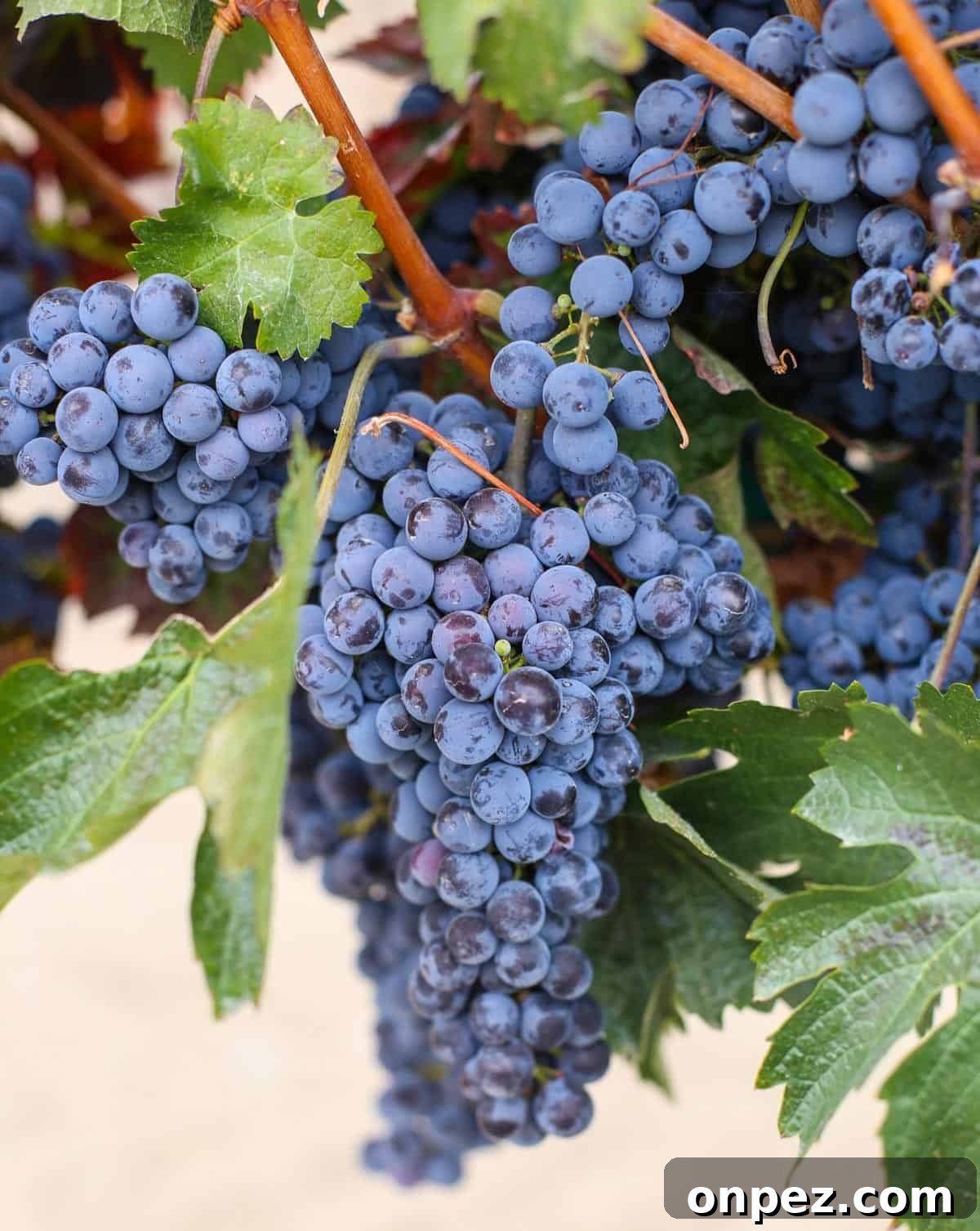
Zinfandel covers a wide stylistic range—from lighter, medium-bodied wines to dense, full-bodied expressions. Common features include:
- Style: Usually dry, medium to full-bodied, often spicy with medium tannins and relatively high alcohol.
- Fruit profile: Plum, blackberry, raspberry, black cherry, and sometimes raisin or fig.
- Spice and savory notes: Black pepper, star anise, cardamom, licorice, tobacco.
- Oak influence: Vanilla, cocoa, coffee, cinnamon and baking spice when barrel-aged.
- Alcohol: Many Zinfandels sit in the 13–15% range; bottlings above 15% tend to be riper and more voluptuous.
The balance between fruit, spice, acidity and tannin will vary with vineyard site, harvest timing, and winemaking choices, so Zinfandel can be approachable and food-friendly or powerful and ageworthy.
Where does Zin Grow
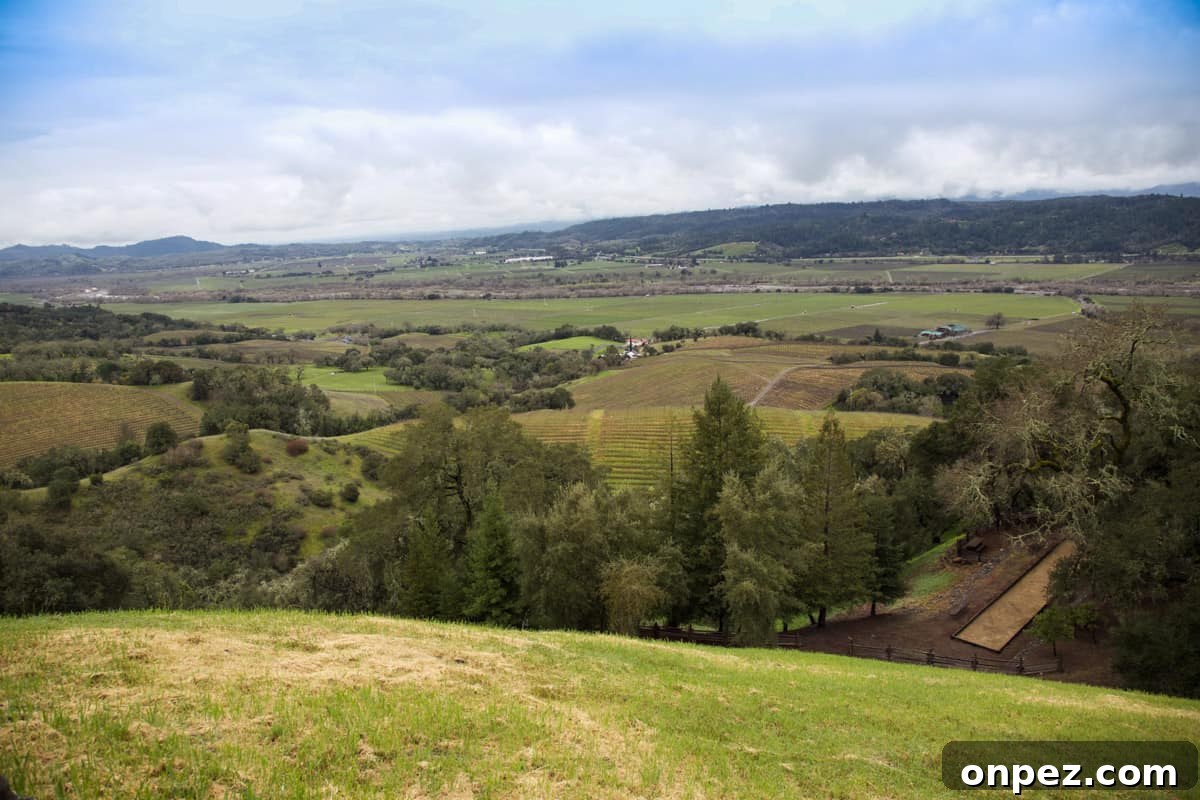
California is the primary home for Zinfandel, with notable plantings across Sonoma (including Dry Creek Valley and Russian River Valley), Lodi, Napa, Paso Robles, Mendocino, and the Sierra Foothills (Amador, El Dorado, Nevada and Calaveras). Outside the U.S., you’ll find related varieties and Zinfandel plantings in Puglia (Italy, as Primitivo), Croatia, Australia, Oregon and parts of Canada.
Styles of Zinfandel
- Dry Red Table Wine: The classic Zinfandel style—dry, fruity, and often spicy. Body can range from medium to full with varying alcohol levels.
- White Zinfandel: A sweeter pink wine made by limiting skin contact. Lighter and often lower in alcohol than red Zinfandel.
- Rosé: Dry, crisp pink wines made from Zinfandel grapes with short skin contact; generally brighter and less sweet than White Zinfandel.
- Late Harvest: Dessert-style wines from very ripe grapes with noticeable residual sugar and concentrated dried-fruit flavors.
- Port-style: Fortified wines made by adding spirit to halt fermentation, producing sweet, high-alcohol dessert wines.
Legendary Zinfandel Vineyards
Some California vineyards have earned legendary status because of age, consistency, and the distinctive wines they produce. Older vines often yield lower quantities of more concentrated fruit; wines from these sites can show complex structure and aging potential. Many producers bottle single-vineyard Zinfandels to showcase these unique sites and the sense of place they offer.
What is a Legendary Vineyard?
Legendary vineyards are typically long-established sites with a track record of producing exceptional fruit. They stand out for consistent quality, distinctive flavors tied to soil and microclimate, and the ability of the wines to age gracefully.
Single Vineyard Zinfandel
Single-vineyard bottlings identify the vineyard on the label and aim to express the specific terroir of that site. These wines often highlight subtle differences in flavor, structure, and aroma that larger blends can obscure.
Legendary Zinfandel Wines to Seek Out
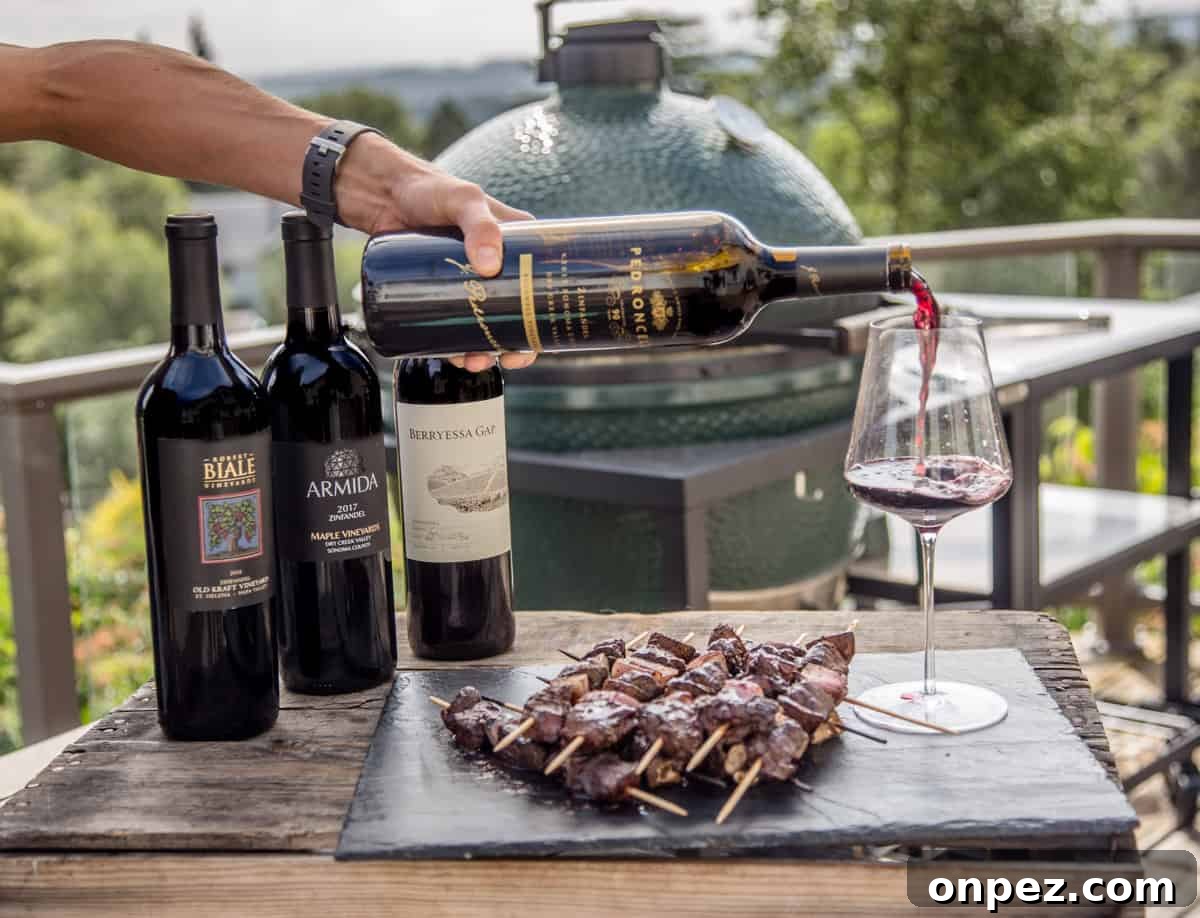
- 2017 Berryessa Gap Zinfandel, Coble Vineyard (Yolo County, California)
- 2018 Robert Biale Vineyards, Old Kraft Vineyard (St. Helena, Napa Valley)
- 2018 Robert Biale Vineyards, R.W. Moore Vineyard Zinfandel (Coombsville, Napa Valley)
- 2017 Armida Zinfandel, Maple Vineyard (Dry Creek Valley, Sonoma County)
- 2017 Peachy Canyon Winery, D Block, Mustang Springs Ranch (Paso Robles)
- 2017 Mount Peak, Rattlesnake Zinfandel, Monte Rosso Vineyard (Sonoma Valley)
- 2017 Pedroncelli Zinfandel, Bushnell Vineyard (Dry Creek Valley)
- 2017 Rombauer Vineyards, El Dorado Zinfandel, Twin Rivers Vineyard (El Dorado County)
Other producers worth trying: Ridge Vineyards, Dry Creek Vineyard, Seghesio Family Vineyards, Quivira, Rodney Strong, Mettler Family Vineyards, Mauritson Wines and others producing single-vineyard expressions.
Where to Buy
Find Zinfandel in wine shops under California varietals or Zinfandel sections. Grocery stores commonly shelve it with other red wines. Look for labels that note region, vintage, and whether the wine is a single-vineyard bottling for more character and quality.
What Foods to Pair with Zinfandel
Zinfandel is an ideal partner for grilled and barbecued dishes thanks to its ripe fruit, spice, and often smoky oak influence. Classic pairings include:
- Barbecued and grilled meats: ribs, pulled pork, smoked lamb, tri-tip, burgers
- Tomato-based dishes: pizzas, pastas with red sauce
- Roasted and grilled vegetables: eggplant, roasted tomatoes, caramelized onions
- Holiday fare: Its versatility makes Zinfandel an excellent choice for multi-course meals like Thanksgiving
For rich, high-alcohol Zinfandels, choose hearty, flavor-forward dishes. For lighter, more restrained bottlings, pair with simply prepared grilled meats or vegetable-forward plates.
Recipes to pair with Zin
- Smash burgers with caramelized onions
- Grilled tri-tip with red wine pan sauce
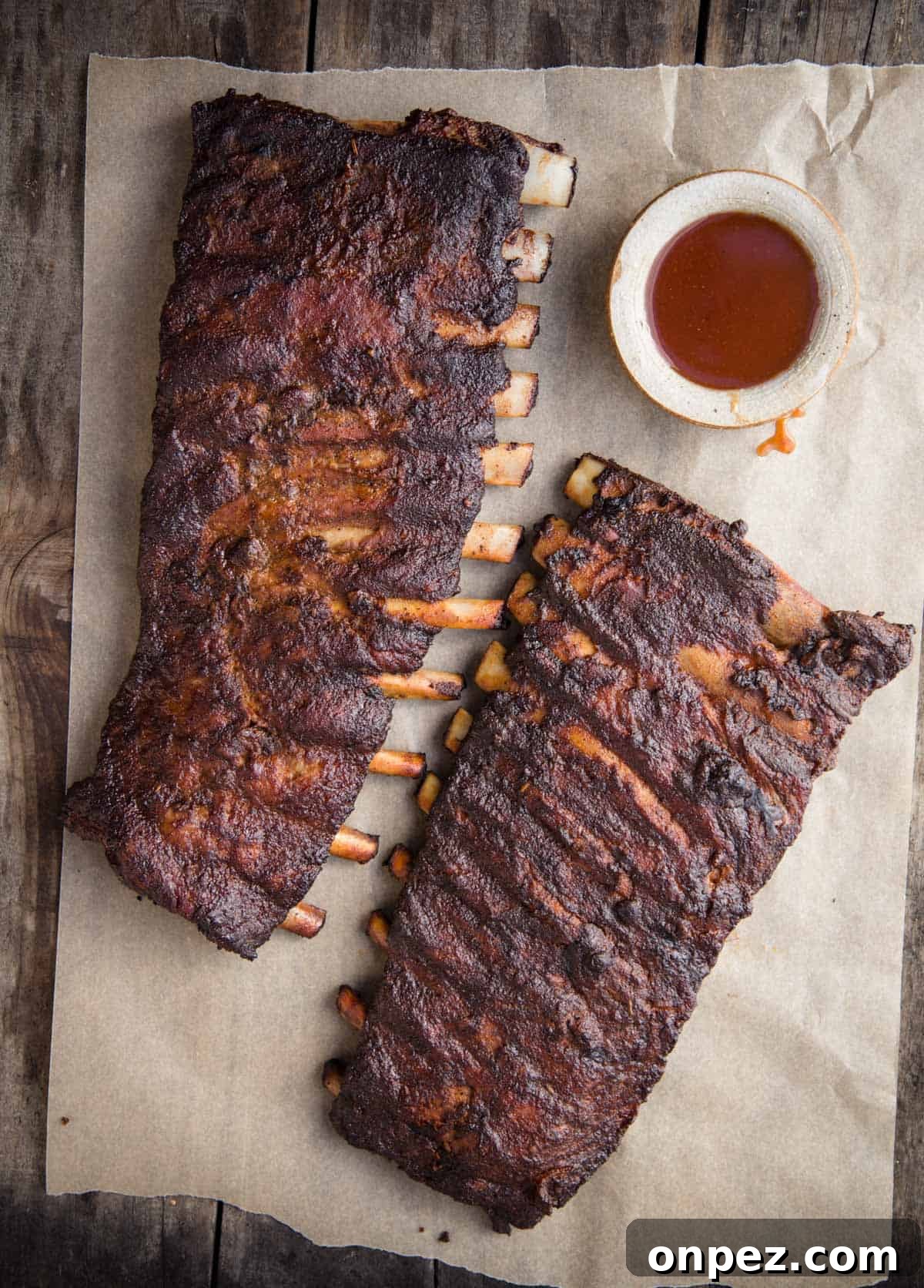
- Smoked ribs
- Hanger steak with red wine sauce
- Grilled pizza
- Smoked pork shoulder
- Grilled lamb chops
Fun Facts:
- Zinfandel has been called “America’s grape” because of its long history and prominence in California.
- Some of California’s oldest plantings are Zinfandel vines dating back to the 19th century.
- There are festivals and organizations dedicated to celebrating Zinfandel and its heritage.
- When well made, Zinfandel can age gracefully, developing complexity similar to other fine red wines.
- The label term “Old Vine” is not legally defined in many places; it’s used by producers to indicate older vine plantings.
- Zinfandel’s broad appeal and food-friendly nature make it a reliable choice to bring to gatherings and barbecues.
- Notable historical moments include celebrated Zinfandel bottlings being served at important events, reflecting the variety’s stature.
More Resources
- Zinfandel Advocates & Producers (ZAP)
- Zinfandel aroma resources and tasting guides
- General grape variety references and wine institute materials