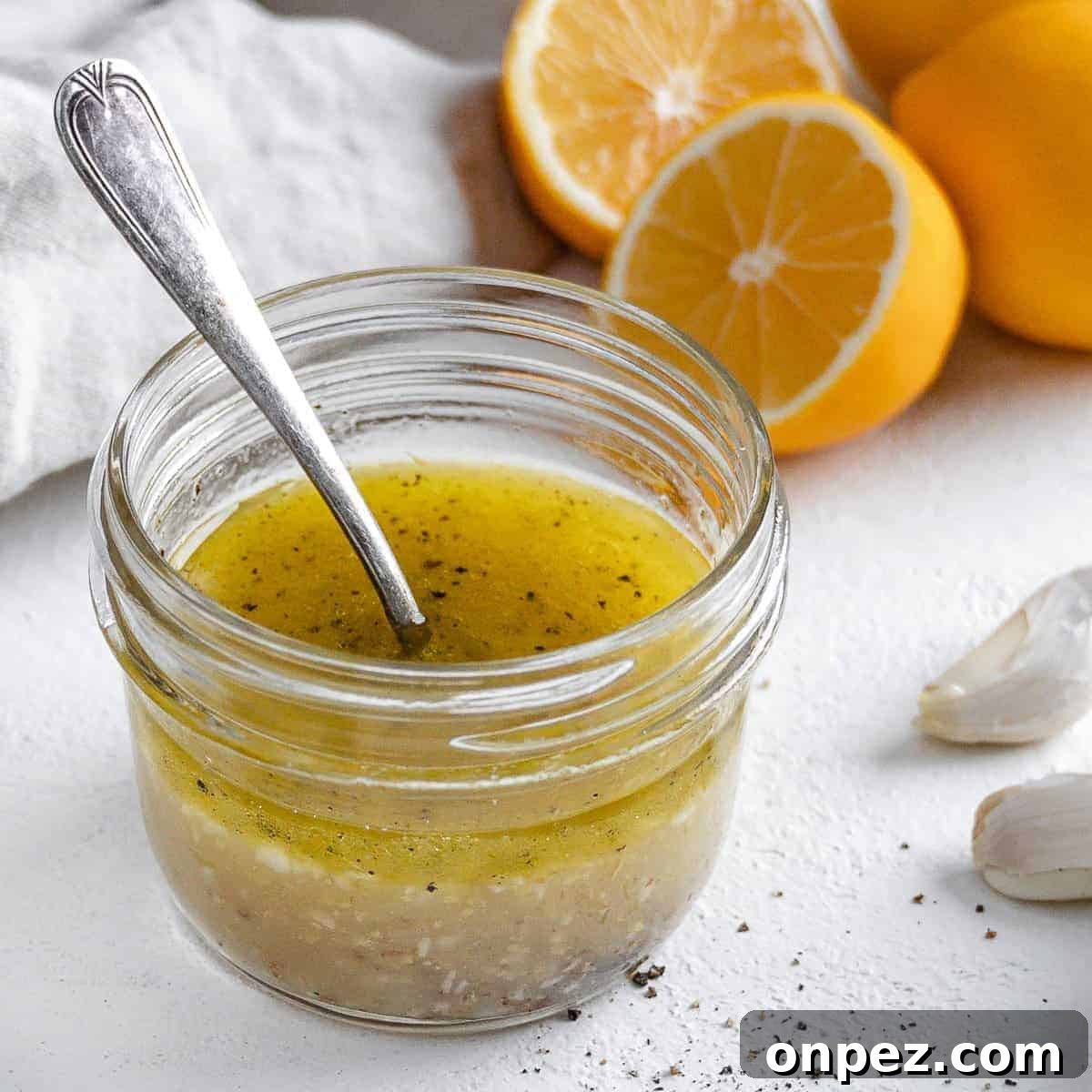
A light drizzle of this bright Lemon Dressing will instantly lift any dish. This classic vinaigrette adds zesty, sweet, and savory notes to simple tossed greens, raw vegetables, grilled vegetables, or roasted proteins. It uses pantry-friendly ingredients and comes together in under five minutes.
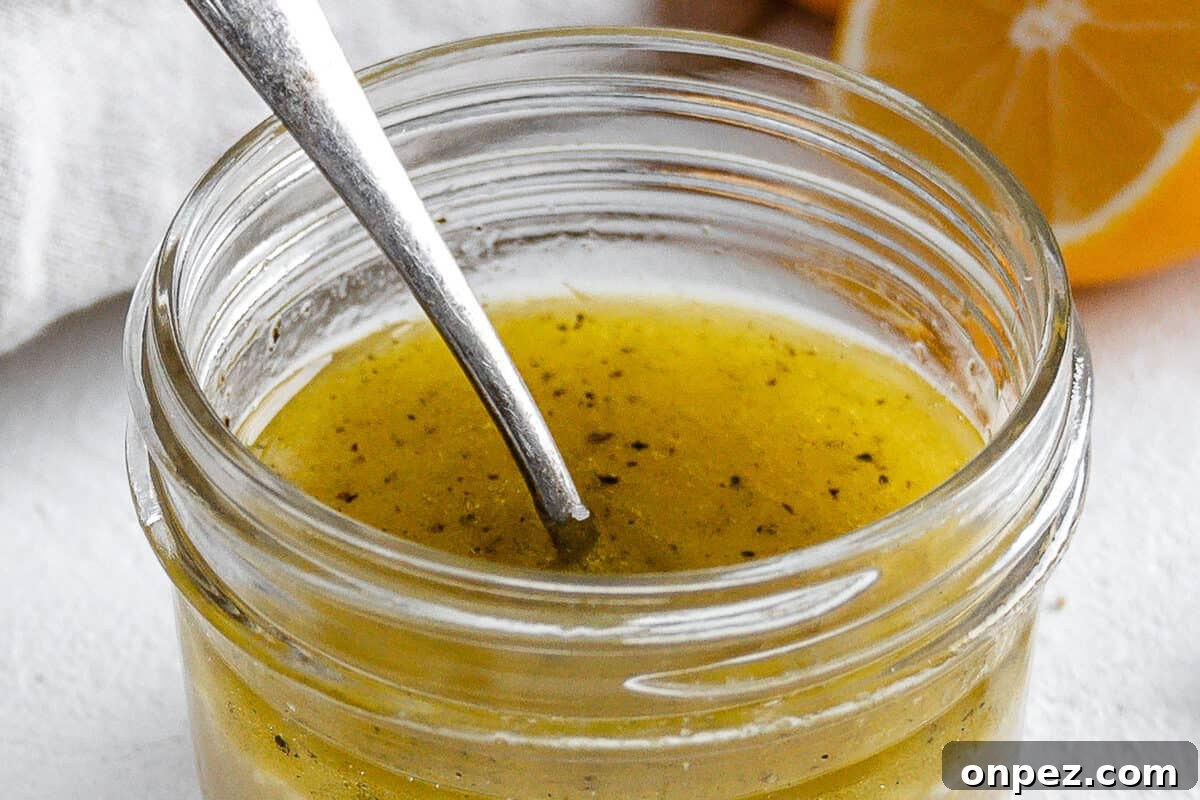
Making your own dressing at home is easy, economical, and gives you complete control over flavor and quality. Compared with many commercial dressings, homemade vinaigrettes let you avoid additives and preservatives while adjusting sweetness, acidity, salt, and herbs to taste. A simple lemon-based dressing is especially versatile: use it on salads, as a quick marinade, as a dipping sauce for crudités, or as a finishing drizzle for bowls and roasted vegetables.
Why Make Lemon Dressing from Scratch
Beyond saving money, there are several good reasons to prepare this dressing at home:
- Fast and simple: It takes about five minutes to measure, whisk, or shake everything together.
- Healthier ingredients: You choose fresh lemon juice, quality olive oil, and minimal sweetener instead of hidden additives found in some store-bought varieties.
- Customizable: Make it brighter with extra lemon, sweeter with more agave or maple syrup, or bolder with extra garlic or mustard.
- Extremely versatile: Double the recipe to have extra on hand for marinades, braising liquids, dips, or to toss with grains or roasted vegetables.
Ingredients Used
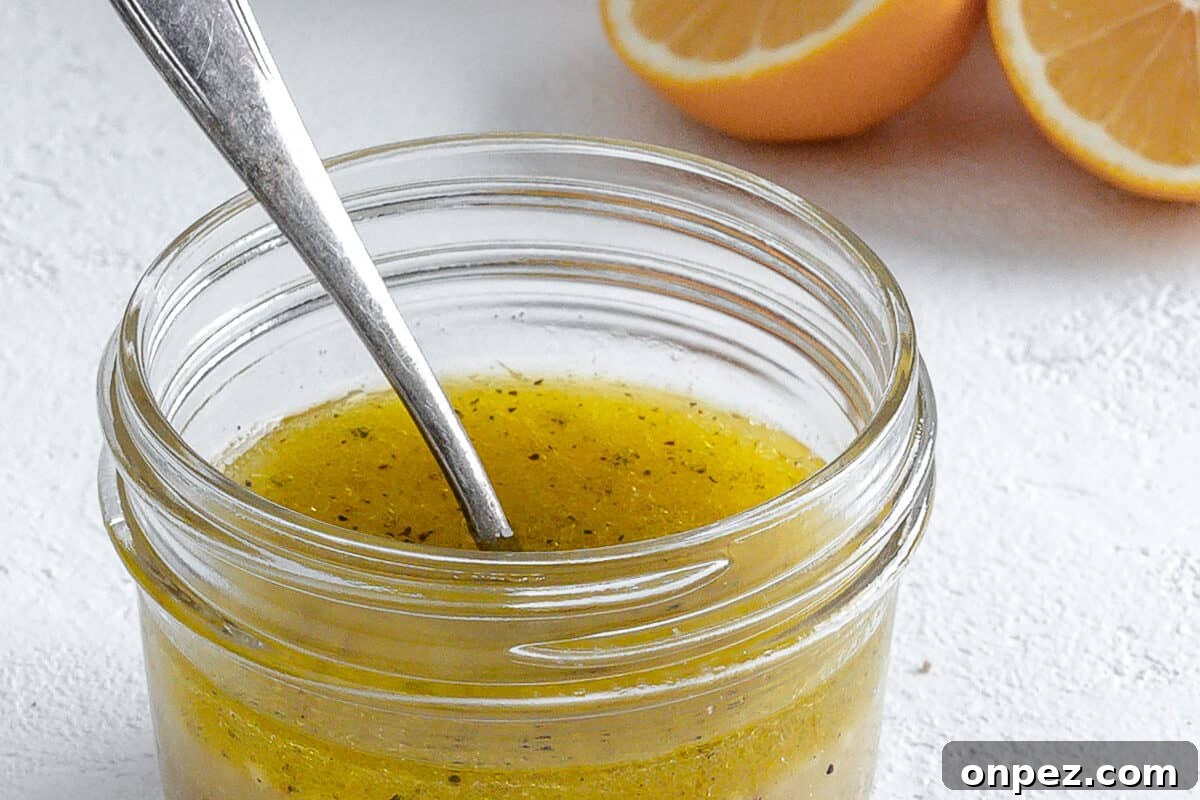
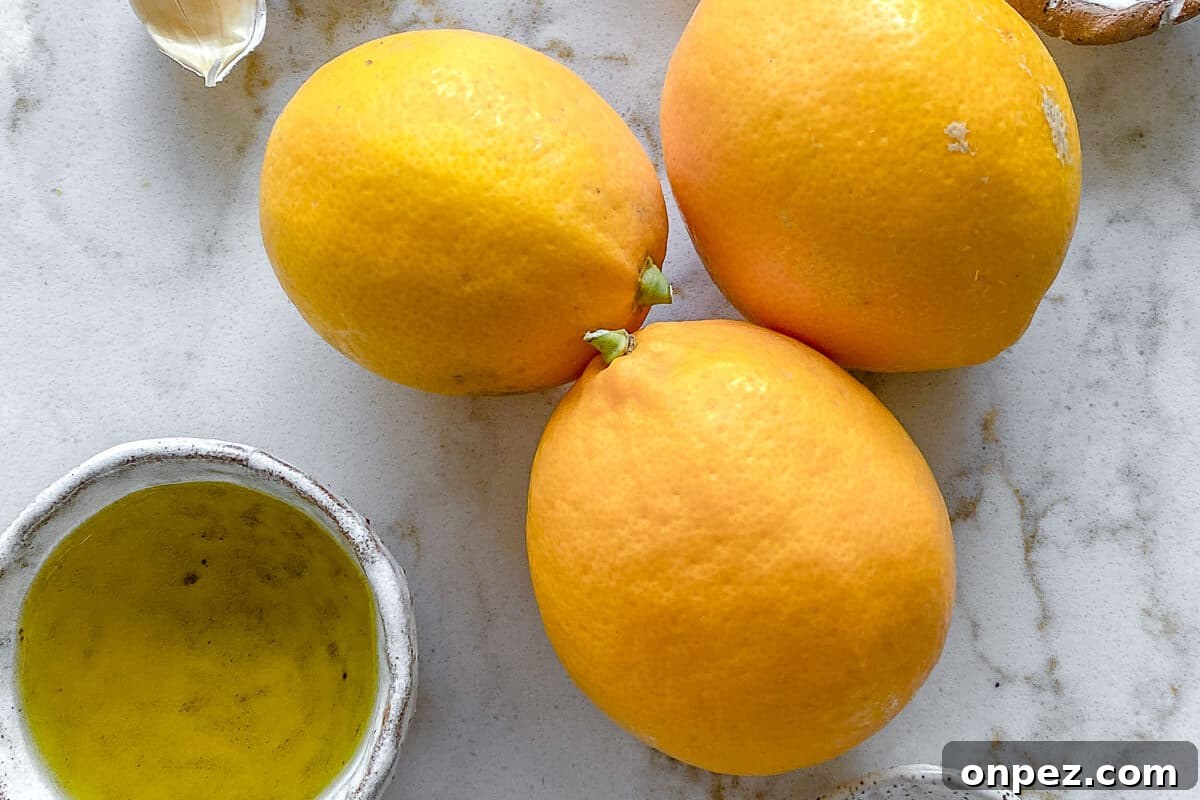
These are common ingredients you likely have in the pantry or refrigerator. Fresh lemon juice gives the best bright flavor, but bottled lemon juice can be used in a pinch.
- Lemon juice — about 3 tablespoons (from 1 large or 2 medium lemons)
- Olive oil — preferably extra virgin for flavor (about 2 tablespoons)
- Garlic — 1–2 cloves, minced for savory depth
- Dijon mustard — 1½ teaspoons to add spice and help emulsify
- Agave — ½ teaspoon (or maple syrup or a small pinch of sugar), to balance the acidity
- Rice vinegar — ½ teaspoon (apple cider vinegar is an acceptable substitute)
- Salt — about ¼ teaspoon, or to taste
- Pepper — to taste
How to Make Lemon Dressing
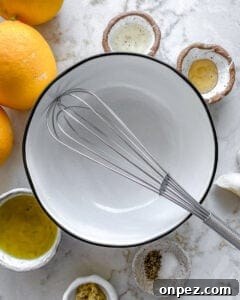
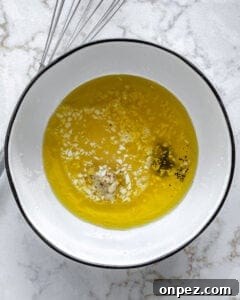
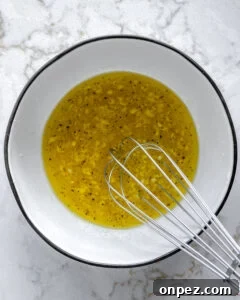
Combine all ingredients in a medium mixing bowl and whisk until smooth and blended. Alternatively, place everything in a jar with a tight-fitting lid and shake vigorously until combined. Let the dressing rest a few minutes for the flavors to meld before using. Taste and adjust salt, pepper, sweetness, or acidity as needed.
Practical Tips
- I use roughly a 3:2 oil-to-acid ratio here (about 2 tablespoons oil to 3 tablespoons lemon). For marinades or when coating vegetables for roasting, increase the oil for more richness and better browning.
- Add fresh or dried herbs to vary the profile: basil, parsley, chives, or dill all work well. Finely chopped fresh herbs will brighten the dressing.
- Always taste before serving. Try the dressing on a sample of the greens or vegetables you plan to use and tweak the balance of salt, acid, and sweetener.
- For a spicy kick, add a pinch of red pepper flakes or a small dash of hot sauce.
- If the dressing separates after sitting, re-emulsify with a quick whisk or a vigorous shake in a jar.
Frequently Asked Questions
- Why is my dressing runny? Too much acid relative to oil can make the dressing thin. Also ensure you include the Dijon mustard, which helps bind the oil and lemon together.
- Should I refrigerate the dressing? Yes. Store homemade dressing in the refrigerator to keep it fresh. Because it contains fresh lemon and garlic, refrigeration slows spoilage.
- Why is the oil separating? Separation is normal for simple vinaigrettes. Whisking or shaking just before use re-emulsifies the mixture. Increasing the mustard or using a small amount of honey/agave helps stabilize the emulsion.
Storing Homemade Lemon Dressing
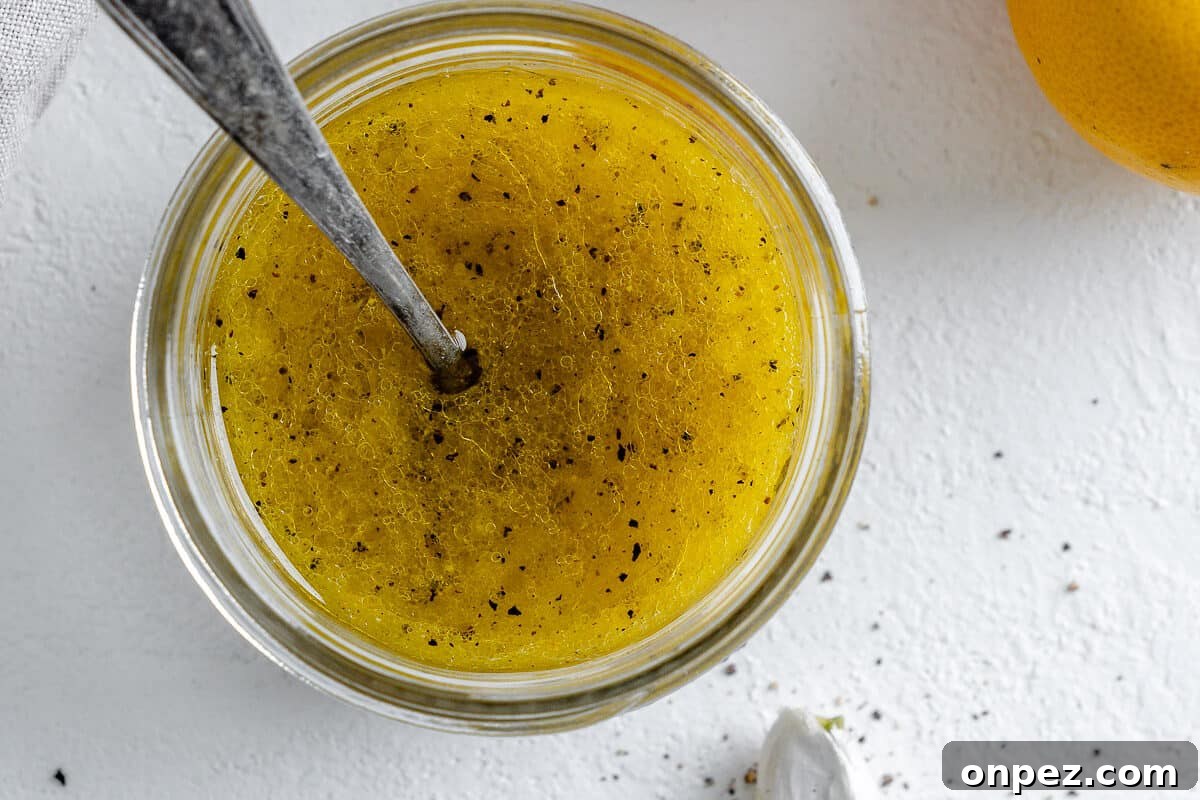
Transfer the dressing to a clean, airtight jar and refrigerate. It will keep for about one week. The flavors often develop and mellow slightly after a day in the fridge. If the olive oil solidifies when chilled, allow the jar to sit at room temperature for a few minutes and shake well before using. Discard if the dressing develops an off or rancid smell.
Recipe (Serves 4)
- 3 tablespoons lemon juice
- 2 tablespoons olive oil
- 2 cloves garlic, minced
- 1½ teaspoons Dijon mustard
- ½ teaspoon agave (or maple syrup / sugar)
- ½ teaspoon rice vinegar (or apple cider vinegar)
- ¼ teaspoon salt
- Pepper to taste
Instructions: Combine all ingredients and whisk until blended, or combine in a jar and shake to emulsify. Adjust seasoning as desired.
Nutrition (per serving, approximate)
Calories: 73 kcal; Carbohydrates: 3 g; Protein: 1 g; Fat: 7 g; Sodium: 167 mg. Values are approximate and will vary with ingredient brands and exact measurements.
More Dressings to Try
If you enjoy this lemon vinaigrette, consider making other homemade dressings to broaden your repertoire: bright carrot-ginger vinaigrette for Asian-inspired salads, a cilantro and green chili dressing for bold, spicy notes, or a tangy slaw dressing to toss with crunchy cabbage mixes.
Photos by Alfonso Revilla