
This rich, thick, savory vegan stew—full of large chunks of root vegetables and mushrooms in a deeply flavorful gravy—is straightforward to make and utterly delicious.

When I first moved out and became a vegetarian, I borrowed an old, dog-eared cookbook from my mother. That book became my introduction to cooking and to genuinely healthy vegetarian meals—far beyond the quick meatless fast food options I had known before.
Over the years the cookbook got misplaced, but recently our family decided to reduce meat in our diet and I remembered an old stew recipe I used to make constantly. With a little detective work and my mother’s vague memory of the cover, I tracked the book down.
The cookbook is The Vegetarian Epicure Book Two by Anna Thomas (first published in 1972). Despite its age, the book remains a classic and is still appreciated by many cooks. I’ve adapted the original recipe to suit our tastes and to make it fully vegan.
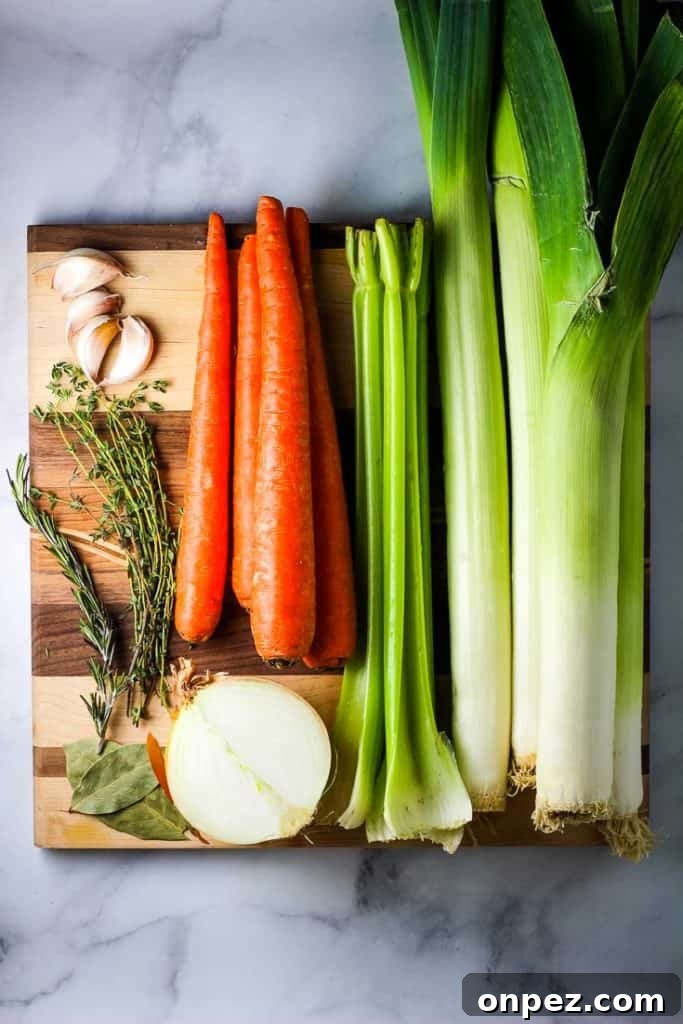
My main change was replacing butter with olive oil so the dish is vegan while still rich and savory. Another thing I love about this stew is that it contains no tomatoes; its flavor profile is closer to a traditional Irish stew than many tomato-based American vegetable stews.
The stew relies on big pieces of winter vegetables—potatoes, rutabagas or turnips, mushrooms, carrots and leeks—combined with a wine- and broth-based braise and a roux-based gravy enriched by molasses, vinegar and spices. The result is comforting, substantial, and perfect for colder months.
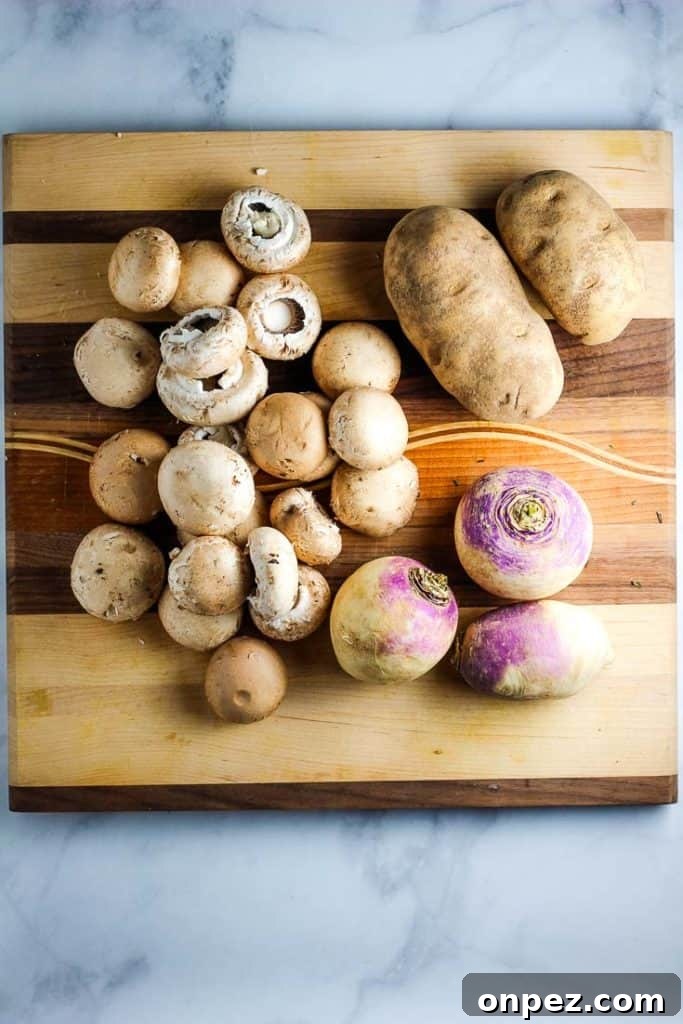
Below is the version I make now. It serves a family and keeps well as leftovers—often tasting even better the next day. The instructions are clear and the technique is forgiving, so feel free to tweak it to suit your pantry or preferences.
How to Make Vegan Stew Step-by-Step
- In a large heavy pot or Dutch oven, heat 6 tablespoons of olive oil over medium heat. Add the white parts of 4 leeks, sliced, and cook, stirring occasionally, until softened—about 5 minutes.
- Add 1/2 large onion (quartered), 4 large carrots (sliced), 3 celery stalks (sliced), 4 cloves garlic (minced), 2 teaspoons fresh thyme (or 1/2 teaspoon dried), 1 teaspoon fresh rosemary (or 1/2 teaspoon dried), and 2 bay leaves. Cook, stirring, until the leeks and aromatics begin to brown lightly.
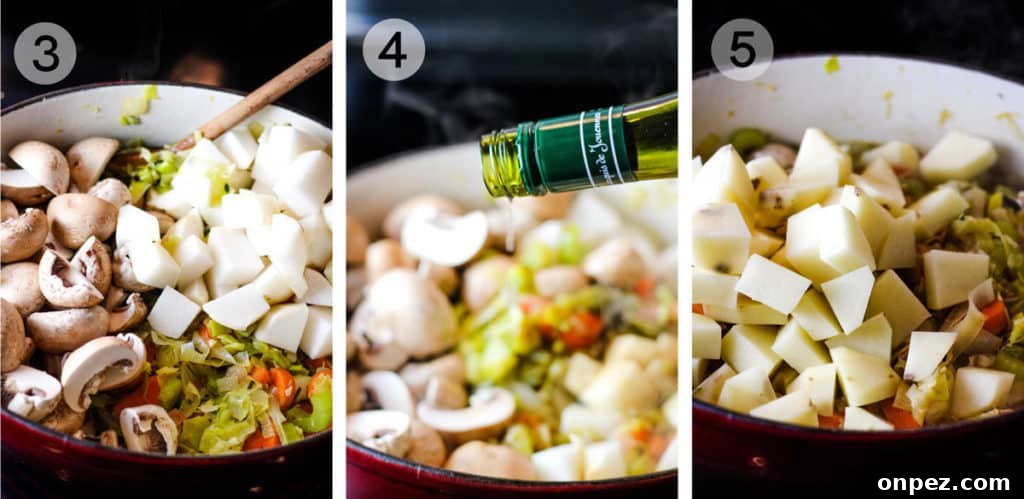
- Add 1 pound of mushrooms (halved if large) and 1 pound of turnips or rutabaga cut into 3/4-inch cubes. Stir to combine.
- Pour in 1 1/2 cups dry white wine and 3 tablespoons vegan Worcestershire (or regular Worcestershire if not strictly vegan). Reduce the heat to low and let the alcohol mellow for a minute.
- Stir in 1 pound of russet potatoes cut into 3/4-inch cubes. Cover the pot and bring the mixture to a gentle simmer.
- To make the gravy: heat 3 tablespoons olive oil in a separate medium saucepan over medium heat. Whisk in 3 tablespoons of flour and cook, whisking constantly, for 3–4 minutes until it starts to brown lightly. Meanwhile heat 2 cups vegetable broth until hot.
- Slowly whisk the hot broth into the roux, a little at a time, until smooth and well combined.
- Whisk in 2 tablespoons white wine vinegar, 3 tablespoons molasses, 3 teaspoons paprika, a dash of hot sauce, 1 teaspoon salt, and 1/4 teaspoon freshly ground black pepper. Adjust seasonings to taste.
- Pour the sauce into the vegetable pot and stir gently. Simmer the stew uncovered over low heat until all the vegetables are tender and the gravy has thickened, about 1 hour. If the liquid reduces too quickly, cover for the final 20–30 minutes. Remove bay leaves and adjust salt and pepper before serving.
Garnish with chopped parsley for a fresh pop of color. I often serve this stew over creamy mashed potatoes to soak up the gravy, even though the stew already contains potatoes. Crusty bread is another excellent accompaniment.

Make it your own!
This recipe is very adaptable. Swap or add vegetables based on what you have: Brussels sprouts, parsnips, or cubed squash would all work well. For extra greens, stir in torn kale or spinach toward the end of cooking. For added protein, fold in cooked beans or chickpeas when the stew finishes simmering.
Vegan Stew Tips and Q & A
Yes. Replace the wine with additional vegetable broth or water. The wine adds depth and brightness, but the stew cooks long enough for most of the alcohol to evaporate, so many cooks leave it in. If you prefer, increase the broth by 1 1/2 cups and proceed the same way.
The stew is ready when all the vegetables are fork-tender, with potatoes usually taking the longest. Start checking around 50 minutes. The gravy will thicken as starches release from the potatoes and as the liquid reduces; it will continue to thicken slightly as it cools.
To thicken, stir in a cornstarch slurry made from 1 tablespoon cornstarch mixed with 2 tablespoons water during the last few minutes of simmering; keep it simmering to activate the starch. To thin, add additional vegetable broth a little at a time until you reach the desired consistency.
Leftovers are often even more flavorful. Store in an airtight container in the refrigerator for 3–4 days.
Yes, but potatoes may become soft after thawing. For best results when freezing, cook potatoes separately and add freshly cooked potatoes when reheating, or omit potatoes before freezing and add them when you reheat.
Thaw overnight in the refrigerator if frozen. Reheat gently in a saucepan over medium heat, stirring often and adding a splash of vegetable broth if needed to loosen the gravy. Stir frequently to prevent sticking.

Ingredients
- 9 tablespoons olive oil, divided
- 4 leeks, white part only, washed, trimmed and sliced
- 1/2 large yellow onion, quartered
- 4 large carrots, sliced 1/2 inch thick
- 3 stalks celery, sliced 1/2 inch thick
- 4 cloves garlic, minced
- 2 teaspoons fresh thyme (or 1/2 teaspoon dried)
- 1 teaspoon fresh rosemary (or 1/2 teaspoon dried)
- 2 dried bay leaves
- 1 lb white or cremini mushrooms, halved if large
- 1 lb turnips or rutabaga, cut into 3/4 inch cubes
- 1 lb russet potatoes, cut into 3/4 inch cubes
- 1 1/2 cups dry white wine (or additional broth)
- 3 tablespoons vegan Worcestershire sauce (or regular)
- 3 tablespoons flour
- 2 cups hot vegetable broth
- 2 tablespoons white wine vinegar
- 3 tablespoons molasses (optional; reduces for less sweetness)
- 3 teaspoons paprika
- Dash of hot sauce
- Salt and pepper to taste
- Chopped parsley for garnish (optional)
Instructions (Summary)
- Sauté leeks in 6 tablespoons olive oil until soft. Add onion, carrots, celery, garlic and herbs; cook until lightly browned.
- Add mushrooms and turnips/rutabaga. Pour in wine and Worcestershire, reduce heat and stir in potatoes. Cover and simmer gently.
- Make a roux by cooking flour in 3 tablespoons olive oil until it darkens slightly, then whisk in hot vegetable broth to form a smooth gravy. Stir in vinegar, molasses, paprika and hot sauce.
- Combine the gravy with the vegetables and simmer, uncovered, until vegetables are tender and gravy has thickened—about 1 hour. Finish with salt, pepper and parsley. Serve with mashed potatoes or crusty bread.
Notes
If you prefer not to use wine, replace it with extra vegetable broth. Molasses lends a subtle sweetness and depth; reduce or omit if you prefer. This recipe is heavily adapted from classic vegetarian sources and tailored here to be vegan-friendly.
Storage: Refrigerate leftovers for 3–4 days. Freeze for up to 6 months, keeping in mind that potatoes can change texture when frozen and thawed; consider cooking potatoes separately for best texture when reheating.
Enjoy this hearty, comforting stew—perfect for a family meal or for making ahead. It freezes and reheats well, and the flavors deepen over time.