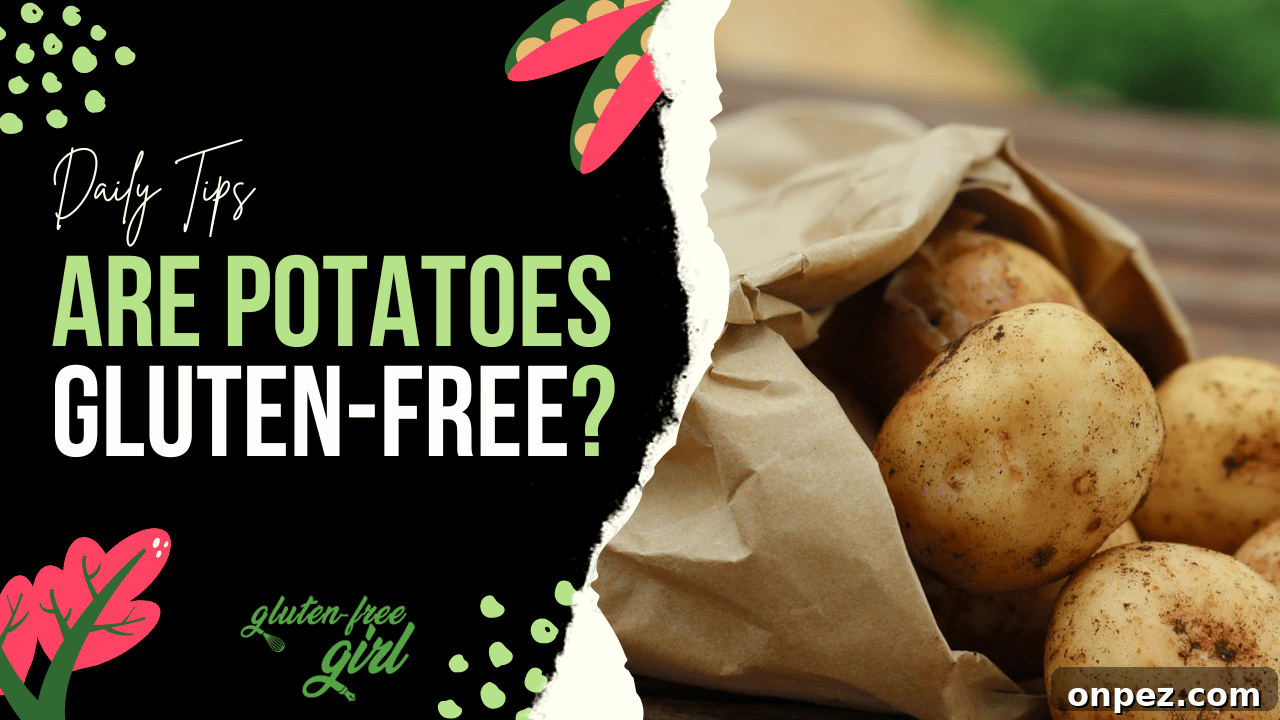
Yes, potatoes are gluten-free. Potatoes are naturally gluten-free because they do not contain gluten proteins. Gluten is found in grains such as wheat, barley, and rye, while potatoes are a starchy vegetable from the nightshade family. For people with celiac disease, non-celiac gluten sensitivity, or anyone following a gluten-free diet, potatoes are a safe and versatile carbohydrate source.
Understanding that potatoes themselves contain no gluten is important for meal planning. Celiac disease is an autoimmune condition triggered by gluten in genetically predisposed individuals, which can damage the small intestine and cause a range of symptoms. Avoiding gluten is essential for managing the condition, and naturally gluten-free foods like potatoes play a valuable role in a balanced diet.
Many popular gluten-free eating patterns include potatoes. For example, diets that emphasize whole, unprocessed foods and avoid grains often rely on potatoes as a nutritious starch. When prepared carefully to avoid cross-contamination, potatoes provide energy, fiber, vitamin C, potassium, and several B vitamins.
Can a Patient with Celiac Eat Potatoes?
Yes. Patients with celiac disease can eat potatoes as long as the potatoes and any added ingredients are gluten-free and have not been cross-contaminated. Potatoes prepared plainly—baked, boiled, roasted, or mashed with gluten-free ingredients—are safe. The main concern is not the potato itself but the preparation: shared equipment, contaminated oil, or gluten-containing toppings can introduce gluten.
Gluten-free Potato Recipes
Potatoes are adaptable and work well in many gluten-free recipes. Popular options include:
- Mashed Potatoes: Creamy mashed potatoes made from fresh potatoes, butter, milk or dairy-free alternatives, and gluten-free seasonings.
- Potato Leek Soup: A comforting soup thickened naturally by potatoes and blended for a smooth texture.
- Roasted Potatoes: Cubed or wedged potatoes tossed with oil, herbs, and spices, then roasted until crispy.
- Potato Salad: Boiled potatoes mixed with a gluten-free dressing such as mayonnaise or vinaigrette and fresh herbs.
- Scalloped Potatoes: Thinly sliced potatoes baked in cream and cheese; ensure any pre-made sauces or mixes are gluten-free.
- Potato Latkes: Pan-fried grated potato pancakes; omit or replace any wheat-based binders with gluten-free alternatives.
- Hasselback Potatoes: Thinly sliced potatoes brushed with oil or butter and baked until tender and crisp.
- Potato Gnocchi: Traditional gnocchi often contains flour—use certified gluten-free flour or potato-only recipes to keep them safe.
- Potato Skins: Baked potato skins filled with cheese, bacon, and chives; verify all toppings are gluten-free.
- Potato-Crust Quiche: Grated potato pressed into a pan as a crust alternative to pastry for a gluten-free quiche base.
How to Keep Potatoes Gluten-free
To ensure potatoes remain gluten-free, follow safe-handling practices:
- Wash hands thoroughly before preparing food to avoid transferring gluten.
- Use clean, dedicated utensils and cutting boards or wash them well between uses to prevent cross-contact.
- Prefer fresh, whole potatoes over pre-cut or processed products that may have been exposed to gluten during processing.
- Read labels on packaged potato products (frozen fries, hash browns, mixes) to confirm they are labeled gluten-free.
- Store potatoes and gluten-free ingredients separately from gluten-containing items to reduce cross-contamination risk.
- Check seasonings, sauces, and condiments for hidden gluten in thickeners or flavorings.
- Avoid shared fryers or ensure they are thoroughly cleaned before frying gluten-free items.
Cross-contamination risks are common in shared kitchens. For example, slicing potatoes on a board used for bread or frying potatoes in oil previously used for battered foods can introduce gluten. Being vigilant about surfaces, utensils, and cooking oil prevents accidental exposure.
Do Mashed Potatoes Have Gluten?
No—mashed potatoes made from plain potatoes, dairy, and gluten-free seasonings do not contain gluten. However, instant mixes, gravies, or added ingredients can introduce gluten, so always check labels and confirm preparation methods.
Is a Baked Potato Gluten-free?
Yes. A plain baked potato is naturally gluten-free. Toppings such as gravies, some processed cheeses, or seasoned bacon bits may contain gluten, so verify their ingredients before adding them.
Is Fried Potato Gluten-free?
Yes—when fried in clean oil and without gluten-containing batters or coatings, fried potatoes are gluten-free. Shared deep-fryers used for breaded or battered items can contaminate oil, so avoid shared fryers unless they are exclusive for gluten-free foods.
Preventing Cross-Contamination When Preparing Potatoes
Prevent cross-contamination by keeping a separate workspace and utensils for gluten-free cooking, washing equipment thoroughly after use, and choosing seasonings and sauces verified as gluten-free. When dining out, ask how potatoes are prepared and whether fryers or ovens are shared with gluten-containing foods.
Is Gravy Served with Mashed Potatoes Gluten-free?
Gravy can be gluten-free if made without wheat-based thickeners. Many store-bought or restaurant gravies contain flour, so check labels or ask about preparation. Homemade gravy can be thickened with gluten-free flours or starches to ensure safety.
Are Potato Chips Gluten-free?
Plain potato chips are typically gluten-free, since they are made from potatoes, oil, and salt. Some flavored varieties include gluten-containing seasonings or coatings, and cross-contamination during manufacturing is possible. Look for products labeled gluten-free or check ingredient lists and allergen statements.
Are Instant Mashed Potatoes Gluten-free?
Some instant mashed potato products are gluten-free, while others contain gluten-containing additives or flavorings. Always read the ingredient list and look for a gluten-free label or certification to be sure.
Are Potatoes Au Gratin Gluten-free?
Potatoes au gratin can be gluten-free when prepared with potatoes, cream, cheese, and gluten-free seasonings. Some packaged mixes or ready-made versions may include gluten-containing ingredients, so check labels before purchasing.
Is Potato Bread Gluten-free?
No. Traditional potato bread typically includes wheat flour and therefore contains gluten. Some brands produce gluten-free breads that use potato as an ingredient but replace wheat flour with gluten-free alternatives—always verify the label.
Are All Starchy Vegetables Gluten-free?
Yes, most starchy vegetables—potatoes, sweet potatoes, yams, corn, and peas—are naturally gluten-free. The risk of gluten arises from how they are processed or prepared, such as coatings, shared frying oil, or contaminated utensils. When prepared carefully, starchy vegetables are excellent options for gluten-free diets.