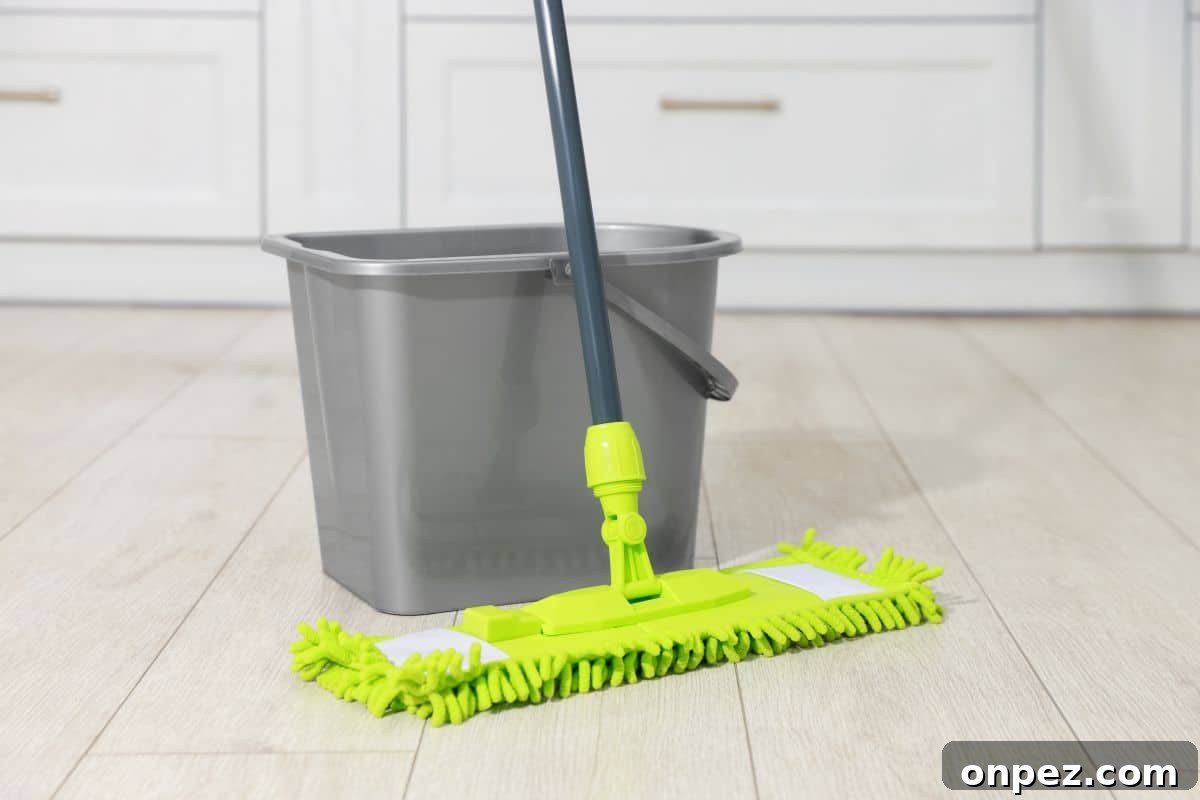
Get naturally sparkling floors with a simple, budget-friendly DIY cleaner. This quick recipe uses common household ingredients and delivers effective results on tile and vinyl.
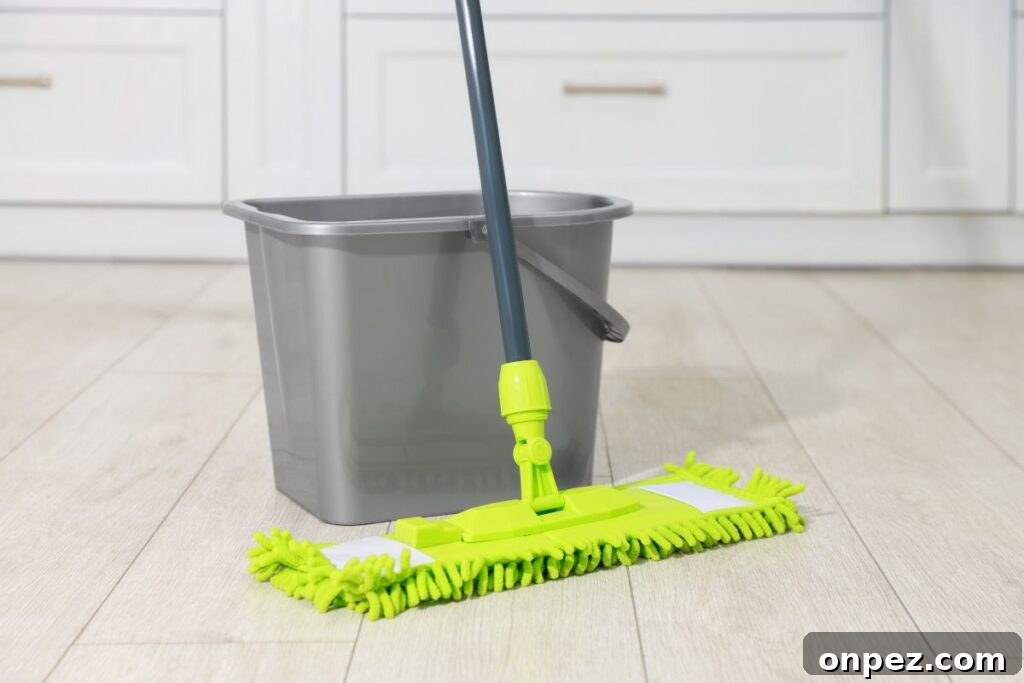
Pinterest inspired me to try a homemade floor cleaner that really outperformed the dishwashing liquid I’d been using for years. My kitchen has porous, non-slip tiles that collect grime—especially along the edges—and I often avoided the kneeling-and-scrubbing it takes to get them clean. This three-ingredient mix changed that: the ring of grey grime around the edge disappeared, and the floor looked cleaner than it has in years.
DIY Floor Cleaner
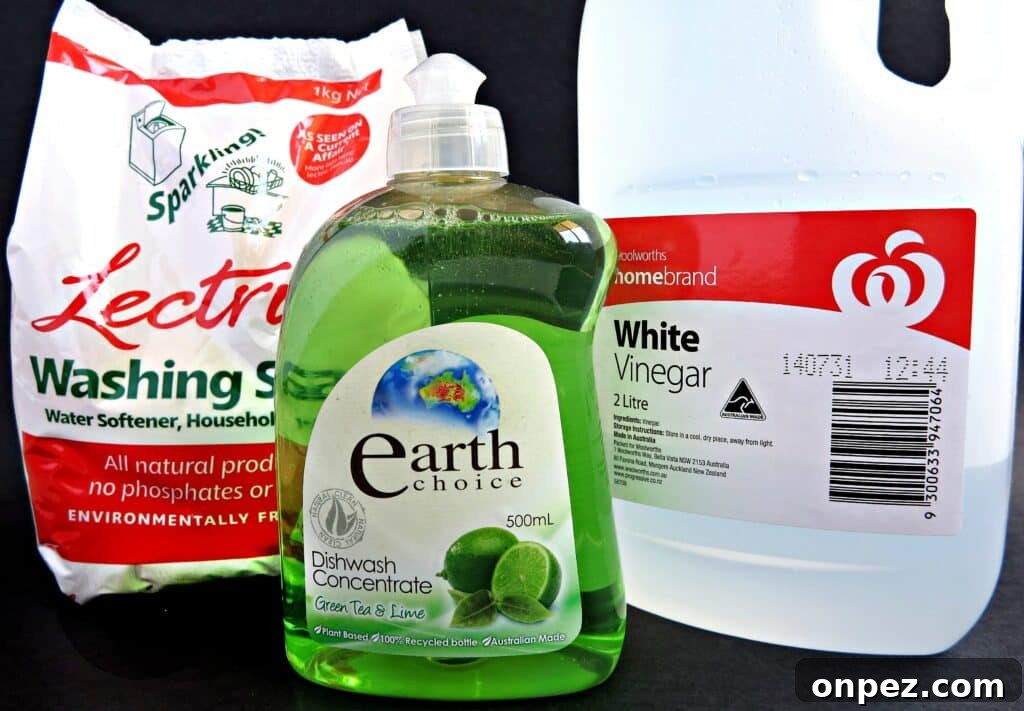
This cleaner is made from ingredients you probably already have: dishwashing liquid, plain white vinegar, washing soda, and hot tap water. The combination cuts grease, lifts grime from porous tile, and leaves floors looking refreshed without harsh chemicals. It’s inexpensive to make and quick to prepare in your mop bucket whenever you need it.
Ingredients
- 2–3 litres of hot tap water
- 1 squirt of dishwashing liquid (about 1 tablespoon)
- 1/4 cup of plain white vinegar
- 2–3 tablespoons of washing soda
How to Make the Cleaner
Make the cleaner directly in your mop bucket:
- Add a squirt of dishwashing liquid (roughly one tablespoon).
- Sprinkle in 2–3 tablespoons of washing soda. Avoid adding too much; excess can leave a powdery residue.
- Pour in about 1/4 cup of white vinegar.
- Add 2–3 litres of hot tap water and stir until it becomes slightly sudsy.
Mop the floor as usual. For particularly grimy areas, lightly wet the spot with the solution and let it sit for 5 minutes, then mop that area with a well-rung mop. Avoid soaking the floor—excess water can seep into baseboards or under flooring and encourage mold. After mopping, go over the floor with the mop rung out; I do not rinse with plain water and find the surfaces dry and streak-free when the mop is well wrung.
Which Floors Is It Safe For?
I’ve used this cleaner on ceramic tiles for many years with excellent results. It removes grease and grime from kitchen floors and works well on vinyl and some water-resistant laminate floors. Before using it on engineered or laminate floors, check the manufacturer’s care instructions and avoid excessive moisture.
Do not use this solution on untreated hardwood floors—vinegar and extra moisture can damage the finish and the wood over time. For natural stone like marble or travertine, test the solution on a small, hidden area first: vinegar’s acidity can dull or etch sensitive stone surfaces.
Tips and Warnings
- Measure loosely—this recipe is forgiving. A roughly tablespoon-sized squirt of dish soap and a finger-scoop of washing soda will be fine.
- Avoid over-wetting floors. Use a well-wrung mop to prevent water from pooling along edges or under cabinets.
- If you notice a powdery residue, reduce the washing soda slightly and stir until dissolved.
- Keep the solution out of reach of children and pets, and store washing soda in a sealed container when not in use.
Quick Recipe Summary
Yield: about one bucket of cleaner.
Prep time: 1 minute. Total time: 1 minute. Difficulty: Easy.
Materials & Tools
- Bucket
- Mop
- Dishwashing liquid, white vinegar, washing soda
Final Thoughts
This simple, natural floor cleaner is a cost-effective alternative to many commercial products. It removes stubborn grease and grime from tile and performs well on vinyl, leaving floors looking brighter and cleaner with minimal effort. If you prefer gentler maintenance for delicate flooring types, adapt the recipe by reducing vinegar or using a manufacturer-approved cleaner. Otherwise, try this method for a reliable, eco-friendly way to keep kitchen floors fresh and clean.