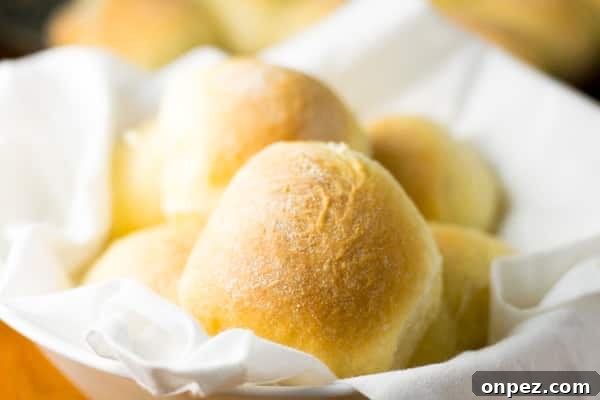
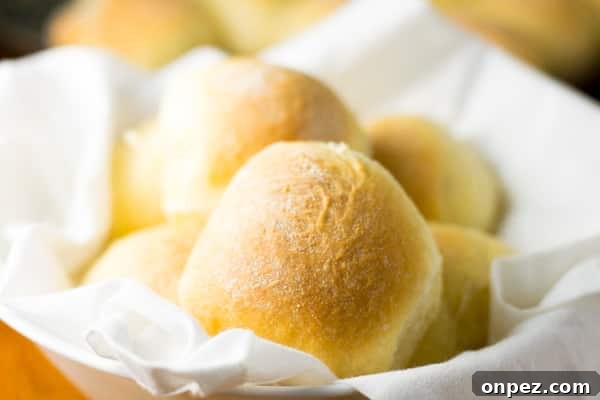
 Pan de sal, also spelled pandesal, is the Philippines’ most beloved bread roll and a staple at Filipino breakfast tables. Soft and slightly sweet with a light crust, pan de sal pairs beautifully with corned beef, eggs, cheese, jam, peanut butter, liver spread, shredded pork, or simply butter and sugar. While some enjoy it plain, a favorite way to eat it is warm with butter and a sprinkle of sugar.
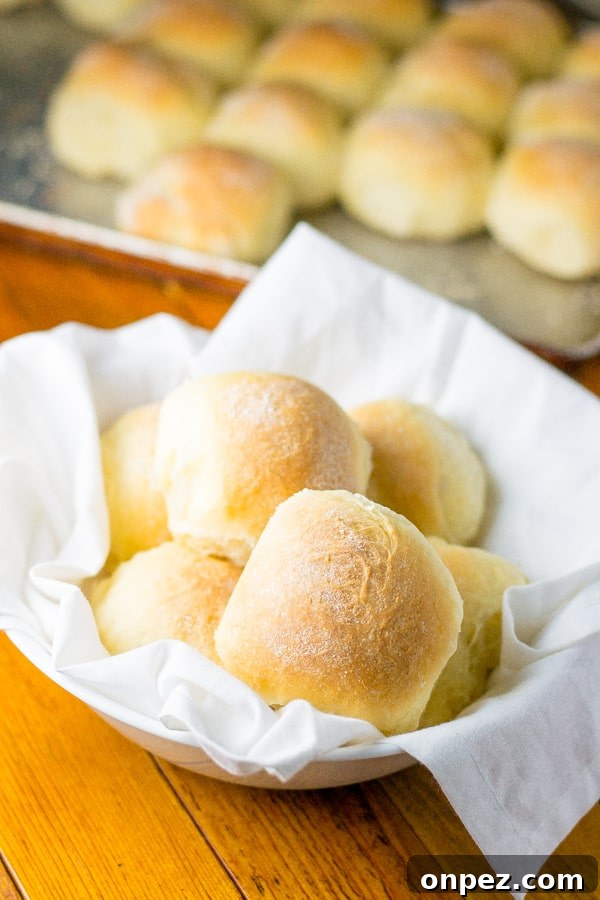 I missed this bread when I first arrived in Canada and had to search out Filipino stores to find it. A kind neighbor taught me how to make pan de sal, and I have been baking it since 1994. Over the years I refined my method: the key is a long, patient rise after shaping the rolls. I often let the shaped rolls rise for several hours—sometimes the whole afternoon—then bake them while preparing dinner. This version uses a bread machine to make the dough, which simplifies the process without sacrificing texture or flavor.
Letting the pan de sal rise
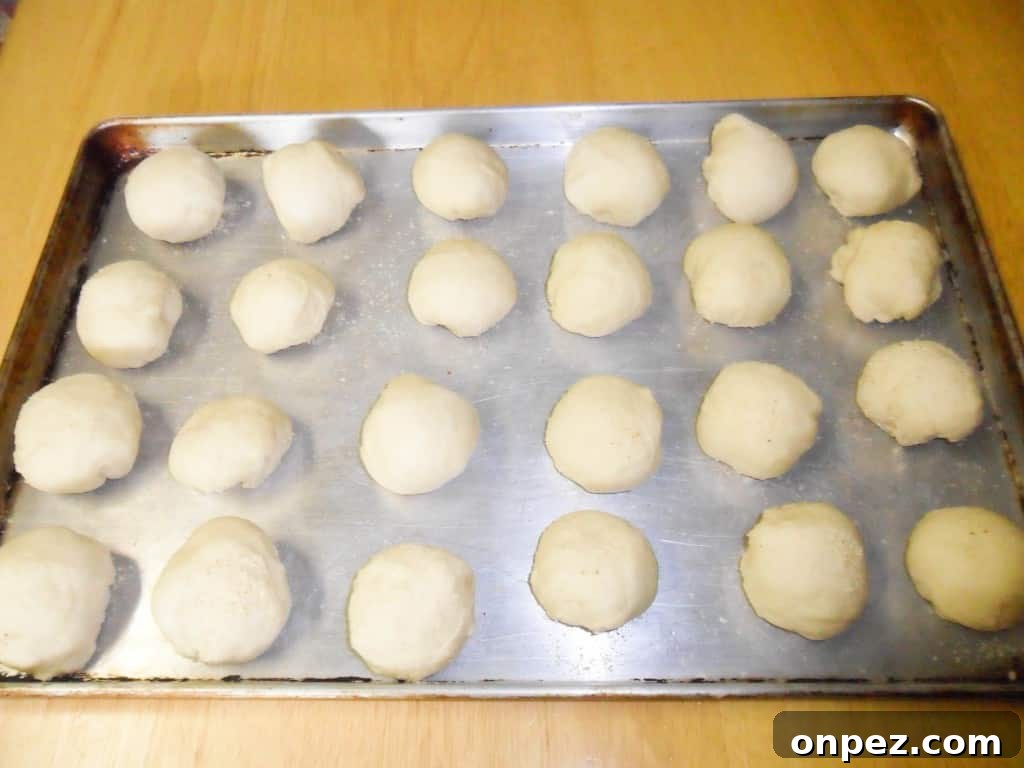
Making Pan De Sal By Hand Without a Bread Machine (see recipe below)
Cooking Tips for Perfect Pan de Sal
To get the best texture and flavor, pay attention to ingredient temperatures and the yeast. Use room-temperature milk and eggs so the yeast performs consistently. If the liquid is too cold, the yeast will be sluggish. Always proof your yeast if you are unsure it’s active—dissolve it in a small amount of lukewarm liquid with a pinch of sugar and wait until it foams.
Kneading is important even when using a bread machine. Check the dough halfway through the kneading cycle: it should be smooth and elastic, not overly sticky. Add flour one tablespoon at a time if needed. After shaping the rolls, place them in a warm, draft-free spot and cover with a clean kitchen towel to stop the surface drying out. An oven with just the light on provides a gentle, steady warmth. Patience here is rewarded: the longer the final rise, the lighter and more flavorful the rolls will be.
Serving Suggestions and Pairings
Pan de sal is versatile. For breakfast, serve warm with butter and sugar for a nostalgic treat. For a heartier meal, split a roll and fill it with scrambled eggs and savory proteins like longganisa or tocino. As a snack, pair it with savory spreads such as liver pâté, cheese, or tuna. The rolls also work well for small deli-style sandwiches with cold cuts and fresh vegetables. Leftovers toast nicely and make an excellent base for jam or honey, or try a playful dessert variation by filling a slightly cooled roll with ice cream for a warm-and-cold contrast. The comforting simplicity of pan de sal complements both sweet and savory toppings.
Frequently Asked Questions
What can I substitute for milk in this recipe?
Plant-based milks such as almond or soy milk can be used. Make sure they are lukewarm so the yeast stays active.
How should I store leftover pan de sal?
Store leftovers in an airtight container at room temperature for up to two days. For longer storage, freeze the rolls and reheat in a toaster or oven when ready to eat.
Can I make pan de sal ahead of time?
Yes. You can prepare the dough the night before and refrigerate it. The next day, shape the rolls, allow them to rise again, then bake.
What should I do if my dough isn’t rising?
Check ingredient temperatures and yeast freshness. Ensure milk and eggs are at room temperature and that the yeast was proofed successfully if in doubt. Very old or improperly stored yeast often fails to activate.

Pan de Sal (Filipino Bread Roll)
Soft, slightly sweet Filipino bread rolls with a light crust — ideal for breakfast, snacks, or small sandwiches. This recipe yields tender, fluffy rolls with a comforting homemade flavor.
Author: Liza A
Rating: 4.9 from 22 votes
Prep Time: 3 hrs 15 mins
Cook Time: 30 mins
Total Time: 3 hrs 45 mins
Course: Snack
Cuisine: Filipino
Servings: 24 rolls
Calories: 150 kcal per roll
Ingredients
- 1 cup lukewarm milk
- 2 tablespoons butter
- ½ cup sugar
- 1 teaspoon salt
- 2 eggs
- 4 cups all-purpose flour
- 2 ¼ teaspoons bread machine yeast
- Breadcrumbs for coating
Instructions
- In the bread machine pan, add the ingredients in the order listed above: begin with the milk and finish with the yeast on top.
- Select the dough setting on the bread machine to make the dough. Allow the machine to complete the cycle (about 2 hours).
- When the cycle finishes, turn the dough out onto a lightly floured surface.
- Divide the dough into 24 equal pieces. Shape each piece into a smooth ball, roll lightly in breadcrumbs, and arrange in a baking pan.
- Cover the pan with a clean cloth and let the rolls rise in a warm place for at least one hour, or until nearly doubled in size. For an even lighter texture, allow a longer final rise.
- Preheat the oven. Bake the rolls starting at 225°F (about 110°C) for 20 minutes, then increase the oven temperature to 325°F (about 165°C) and bake another 10–15 minutes, until golden brown.
- Remove from the oven and let cool slightly before serving. Enjoy warm with butter, sugar, or your favorite fillings.
Nutrition (per roll)
Calories: 150 kcal • Carbohydrates: 26 g • Protein: 4 g • Fat: 4 g • Fiber: 1 g • Sugar: 5 g • Sodium: 150 mg
Tried this recipe? Share your experience and any tweaks you made!