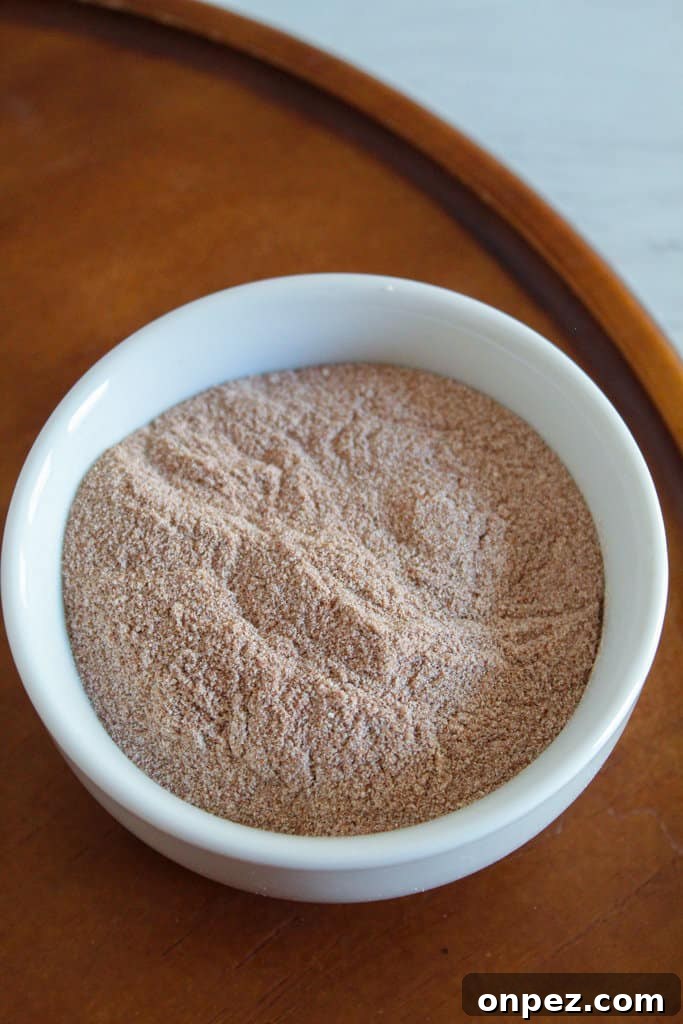
Teff flour has a warm, nutty, slightly malty flavor that works beautifully in gluten-free baking. The challenge is that it is not always easy to find in regular grocery stores. When a recipe calls for teff flour and you do not have any, the best teff flour substitute depends on what you are baking.
For the closest all-purpose replacement, use buckwheat flour. If you want a milder flavor, sorghum flour is a smart choice. Millet flour is excellent for hearty or savory bakes, while amaranth flour works best in denser recipes such as crackers, tortillas, flatbreads, and rustic loaves.
Table of Contents
The most important rule is to substitute teff flour by weight, not by cups. Gluten-free flours vary widely in density, protein, fiber, and moisture absorption. A casual cup-for-cup swap can make baked goods dry, crumbly, heavy, or gummy. Use the guide below to choose the best replacement for your recipe and adjust with confidence.
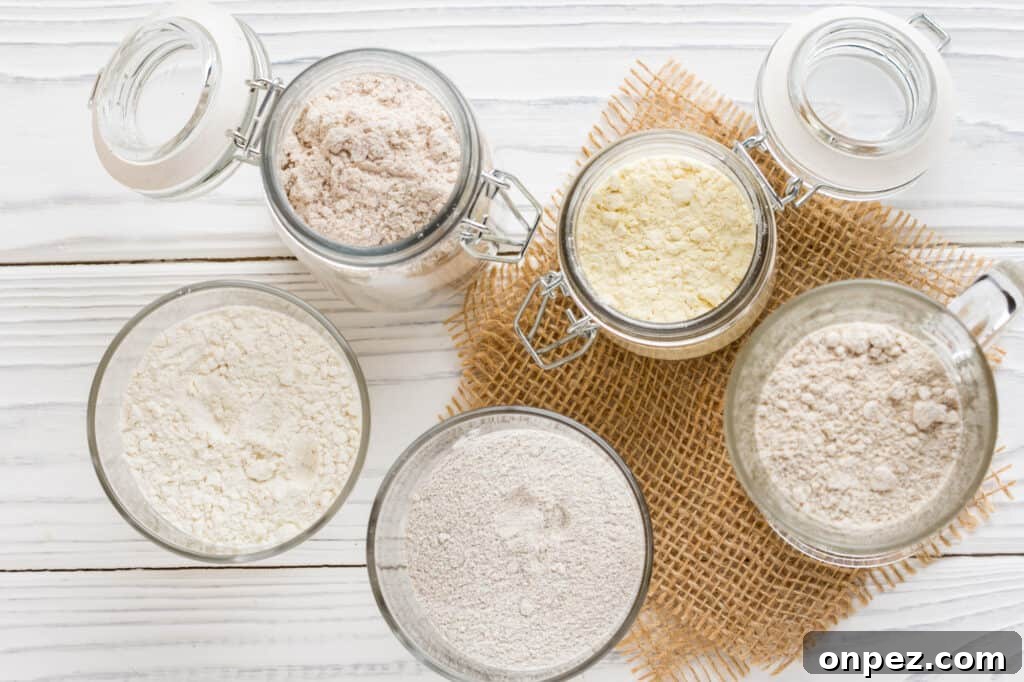
What is Teff Flour?
Teff is a naturally gluten-free grain native to Ethiopia, where it has long been used in traditional cooking and baking. It is best known as the main flour used to make injera, a soft fermented flatbread with a tangy flavor and flexible texture.
In gluten-free baking, teff flour is valued for its deep whole-grain taste, fine texture, and ability to add richness to pancakes, muffins, quick breads, cookies, and flatbreads. It has a stronger flavor than many common gluten-free flours, which is why the right substitute should match both the texture and the taste of the recipe.
If you have whole teff seeds, you can grind them into flour at home. Add the amount you need to a high-speed blender or food processor and process until the seeds become a fine powder. Because teff seeds are extremely small, work carefully and avoid spills.
Best Teff Flour Substitutes at a Glance
If you need a reliable teff flour substitute, buckwheat flour is the closest overall choice because it has a similar earthy flavor and performs well in many gluten-free recipes. Sorghum flour is better when you want a lighter, milder taste. Millet flour works well in savory or rustic baking, and amaranth flour is best for denser recipes that can handle a stronger flavor.
- Closest overall substitute: Buckwheat flour
- Best mild substitute: Sorghum flour
- Best for savory bakes: Millet flour
- Best for dense recipes: Amaranth flour
- Best measuring method: Substitute by weight, not by cups
How to Substitute Teff Flour Without Dry or Gummy Results
Teff flour can be difficult to find outside specialty stores, especially if your local grocery store has a limited gluten-free section. When you need to replace it, the goal is not only to match the flavor but also to choose a flour that behaves similarly in the batter or dough.
The two biggest factors are protein and dietary fiber. These affect how much liquid the flour absorbs, how well it helps bind ingredients, and whether the finished bake turns out tender, dry, dense, or gummy.
Quick Tips
- Measure by weight. Gluten-free flours have different densities, so grams are more accurate than cups.
- Start with a 1:1 swap by weight. Use the same weight of substitute flour as the teff flour called for, then adjust if needed.
- Check the batter texture. If the batter looks too thick or dry, add a small amount of liquid.
- Avoid overmixing. Gluten-free batters can become dense when mixed too aggressively.
- Let the batter rest. A short rest allows the flour to hydrate and can improve texture.
- Use a binder when needed. Eggs, xanthan gum, or psyllium husk can help add structure in breads, muffins, and pancakes.
- Match the flavor to the recipe. Buckwheat and amaranth are stronger, while sorghum and millet are milder.
- Test important recipes first. If teff is a major ingredient, make a small batch before baking the full recipe.
Gluten-free flours need careful measuring for the best results. Too much flour can make baked goods dry and crumbly, while too little flour can leave them gummy or under-structured. A digital kitchen scale is the easiest way to get consistent results.
Teff Flour Substitute Comparison Chart
The best flour to use in place of teff depends on the recipe. Some substitutes are closer in flavor, while others are better for texture, moisture absorption, or structure.
Use this comparison as a quick guide when choosing a teff flour replacement. For the most accurate results, replace teff flour by weight rather than using equal cup measurements.
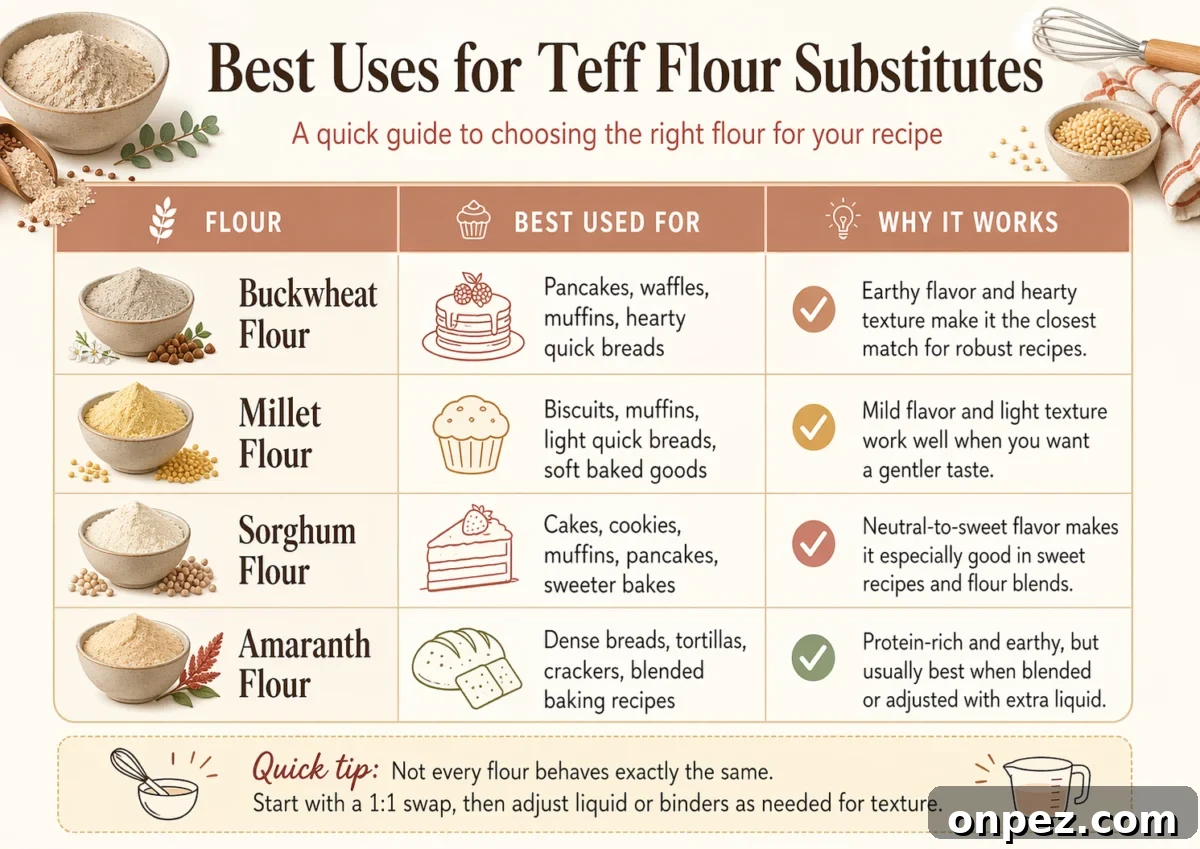
4 Best Substitutes for Teff Flour
These gluten-free flours are the most practical substitutes for teff flour because they can work in similar recipes and offer a useful balance of flavor, texture, protein, and fiber.
1. Buckwheat Flour
Buckwheat flour is the best overall substitute for teff flour. It has an earthy, nutty flavor that works especially well in recipes where teff’s whole-grain taste is part of the appeal. Buckwheat flour is a strong choice for pancakes, waffles, muffins, quick breads, and rustic loaves.
Best for:
- Pancakes
- Waffles
- Muffins
- Quick breads
- Rustic breads
- Recipes where a nutty, earthy flavor fits well
Use with caution in:
- Light cakes
- Delicate cookies
- Mild-flavored desserts
- Recipes where you want a neutral flour
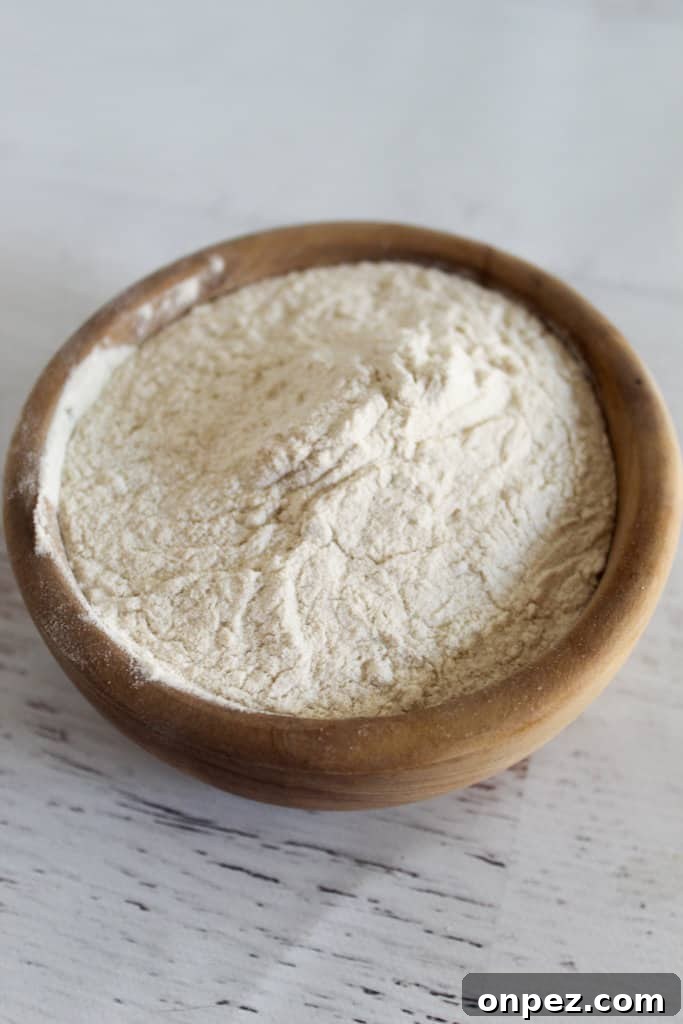
Despite its name, buckwheat is not wheat. It is a pseudograin, which means it is a seed that behaves much like a grain when ground into flour. Because it has a noticeable flavor, it is best used in recipes that can handle a hearty, whole-grain taste.
Where to buy it? Buckwheat flour is often easier to find than teff flour. Look for it in the gluten-free or natural baking section of well-stocked grocery stores.
2. Millet Flour
Millet flour is a good teff flour substitute for hearty, rustic, and savory baking. It has a mild, slightly sweet flavor and can add a pleasant whole-grain texture to baked goods. It is especially useful when you want a less intense flavor than buckwheat or amaranth.
Millet flour works well in recipes that are meant to be sturdy rather than very light and fluffy. It can be a good option for biscuits, flatbreads, crackers, and savory muffins.
Best for:
- Savory muffins
- Flatbreads
- Crackers
- Biscuits
- Rustic breads
- Recipes that need a mild, slightly sweet flavor
Use with caution in:
- Recipes that require a lot of structure
- Very moist batters
- Bakes that already tend to turn dry
- Recipes where teff’s deeper flavor is important
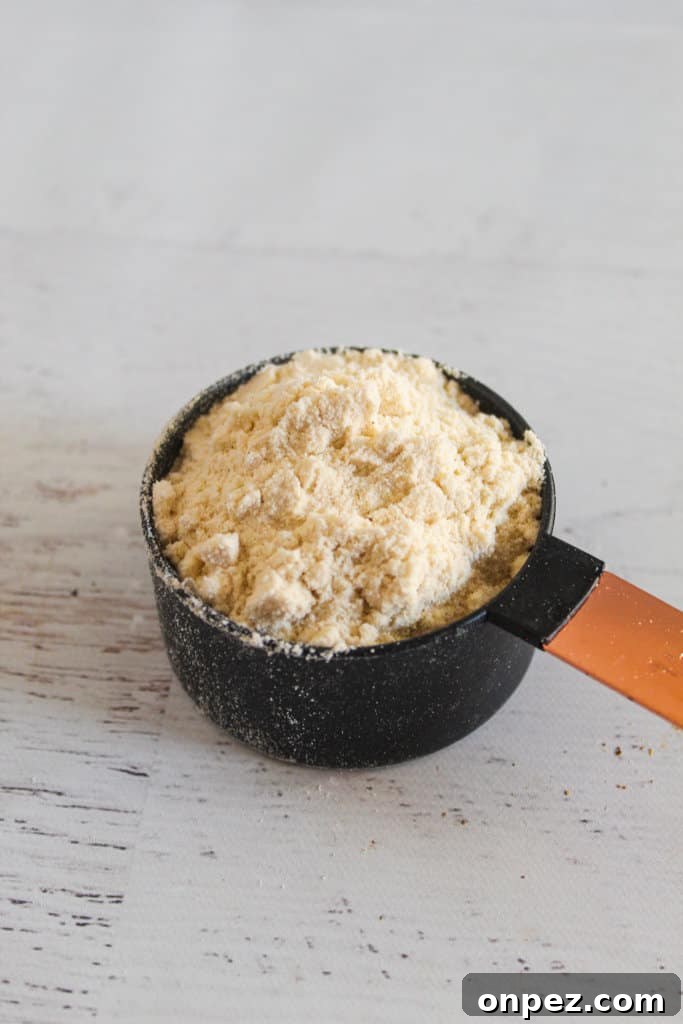
Where to buy it? Millet flour is commonly found in gluten-free baking sections and natural food stores. It is a helpful flour to keep on hand if you bake gluten-free breads, biscuits, and savory recipes often.
3. Sorghum Flour
Sorghum flour is one of the best substitutes for teff flour when you want a milder flavor. It has a gentle sweetness and a softer taste than buckwheat or amaranth, which makes it useful in muffins, cookies, cakes, pancakes, and quick breads.
Because sorghum does not have the same bold flavor as teff, it is a good choice when teff is used for structure or whole-grain balance rather than as the dominant flavor in the recipe.
Best for:
- Muffins
- Cookies
- Cakes
- Pancakes
- Quick breads
- Recipes that need a mild gluten-free flour
Use with caution in:
- Dense breads that need a stronger flour
- Recipes where teff’s bold flavor is central
- Bakes that already turn out dry or crumbly
- Egg-free recipes that need extra binding support
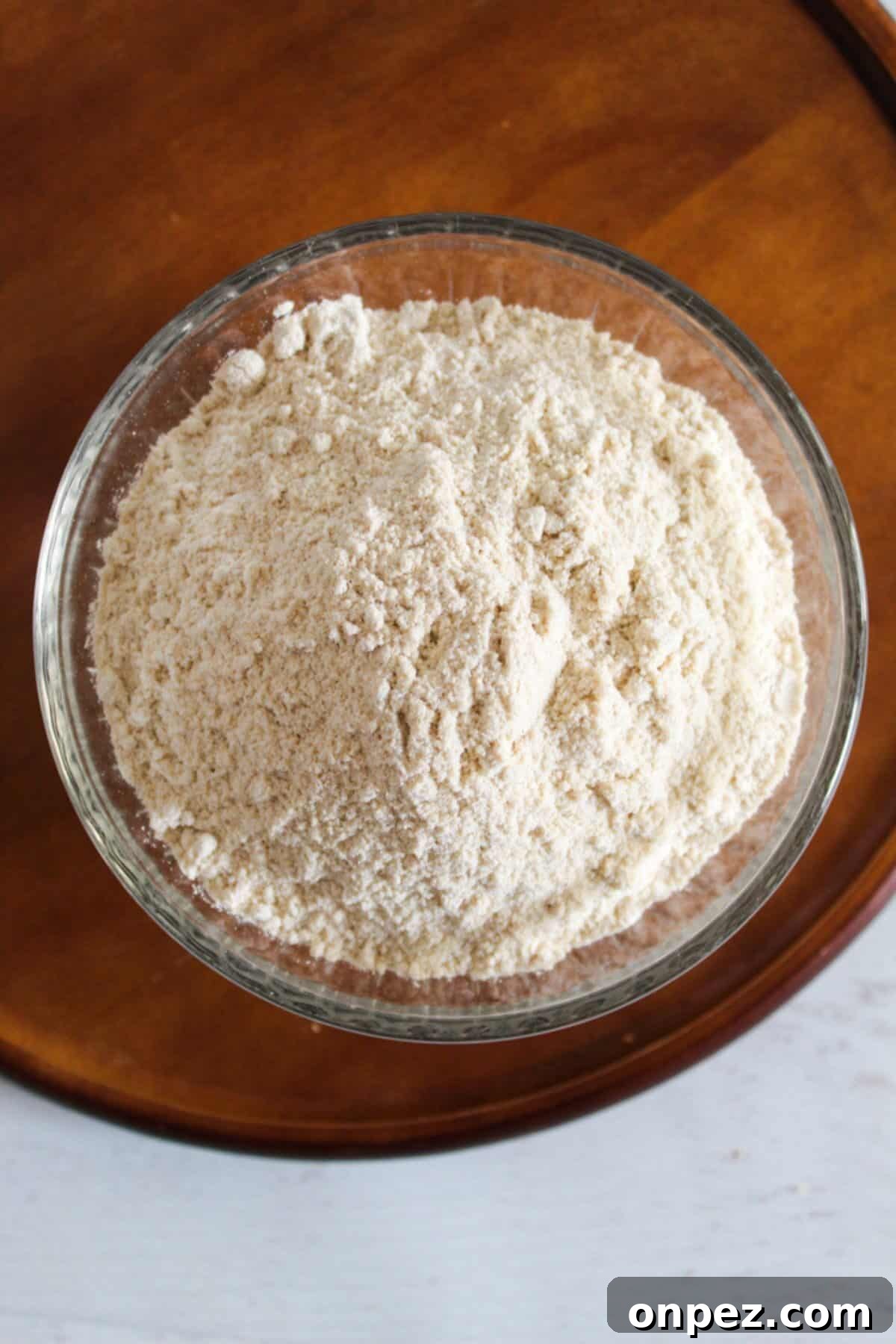
Where to buy it? Sorghum flour may be available in larger grocery stores, natural food markets, and gluten-free baking sections.
4. Amaranth Flour
Amaranth flour is best for dense baked goods where a bold flavor and hearty texture are welcome. It can work well in crackers, tortillas, flatbreads, dense breads, and savory recipes. It is not usually the best choice for light cakes or delicate cookies because it can make baked goods feel heavier.
Best for:
- Crackers
- Tortillas
- Flatbreads
- Dense breads
- Savory baked goods
- Recipes where a strong, nutty flavor works well
Use with caution in:
- Light cakes
- Delicate muffins
- Mild cookies
- Recipes that need a neutral flavor
- Bakes that easily become too dense
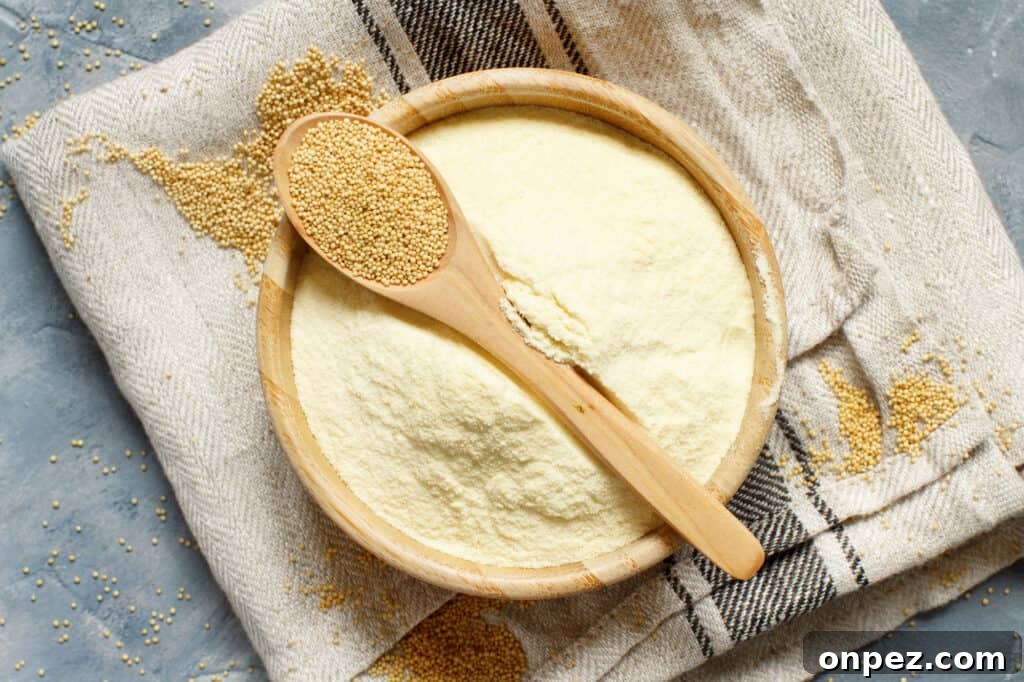
Amaranth flour can absorb moisture differently than teff flour, so you may need to adjust the liquid in your recipe. It may also benefit from a binder, especially in breads and recipes that need more structure.
Fun fact: Like teff, amaranth can be ground into flour from whole seeds. If you have extra amaranth seeds, they can also be popped in a hot pan to make a tiny popped grain.
Where to buy it? Amaranth flour is most often found in stores with a strong gluten-free or natural foods selection.
Can You Substitute Teff Flour in Injera?
Injera is one of the most famous recipes made with teff flour, but it is also one of the hardest recipes to substitute. Teff contributes to injera’s tangy flavor, soft flexibility, and fermented structure. Replacing all of the teff flour will change the result.
For traditional injera, teff flour is the best choice. If you only need an injera-style flatbread, you can experiment with buckwheat, sorghum, or millet flour, but the flavor and texture will not be exactly the same.
Best options for injera-style flatbread:
- Buckwheat flour: Best for a deeper, earthy flavor.
- Sorghum flour: Best for a milder flavor.
- Millet flour: Best for a lightly sweet, grainy flavor.
- Amaranth flour: Best in small amounts because it can taste stronger and make the texture heavier.
For best results, avoid replacing all of the teff flour in a traditional injera recipe unless the recipe was written for that substitute. Start with a partial swap, watch the batter texture, and expect a different flavor from classic teff-based injera.
How To Make Injera
This video shows the process of making injera with teff flour.
FAQ for Replacing Teff Flour
These are some of the most common questions that come up when replacing teff flour in gluten-free recipes.
How can I tell if a flour is truly gluten-free?
The most reliable option is to choose flour labeled “certified gluten-free.” This helps reduce the risk of cross-contamination with gluten-containing grains such as wheat, barley, or rye.
Why do protein and fiber content matter for replacing flour?
Protein and fiber affect how flour absorbs liquid and supports structure. When one flour absorbs more or less moisture than another, the final texture can change. Too much absorption can make baked goods dry and dense, while too little can leave them gummy or fragile.
Does the density of the flour matter when measuring it?
Yes, especially if you measure with cups. One cup of teff flour does not weigh the same as one cup of sorghum, millet, buckwheat, or amaranth flour. Measuring in grams gives you a more accurate substitution and a better chance of getting the texture right.
Use the chart below as a helpful reference for common gluten-free flours.
| Gluten-free flour | Grams per cup | Protein (g per 100 g) | Dietary fiber (g per 100 g) | Fat (g per 100 g) |
|---|---|---|---|---|
| Chickpea flour (besan) | 92 | 22.4 | 10.8 | 6.7 |
| Almond flour | 112 | 21.4 | 10.7 | 50.0 |
| Oat flour (certified gluten-free) | 104 | 14.6 | 6.5 | 9.1 |
| Quinoa flour | 112 | 14.3 | 7.1 | 7.1 |
| Amaranth flour | 140 | 14.3 | 11.4 | 5.7 |
| Coconut flour | 120 | 13.3 | 40.0 | 13.3 |
| Buckwheat flour | 120 | 12.6 | 10.0 | 3.1 |
| Millet flour | 119 | 10.8 | 3.5 | 4.3 |
| Teff flour | 188 | 10.6 | 10.6 | 2.1 |
| Sorghum flour (whole-grain) | 121 | 8.4 | 6.6 | 3.3 |
| Brown rice flour | 158 | 7.2 | 4.6 | 2.8 |
| Potato flour | 160 | 6.9 | 5.9 | 0.3 |
| Corn flour (whole-grain, yellow) | 117 | 6.9 | 7.3 | 3.8 |
| White rice flour | 158 | 5.9 | 2.4 | 1.4 |
| Tapioca starch/flour | 152 | 0.2 | 0.9 | 0.0 |
My Favorite Gluten-Free Recipes to Try Next
Once you understand how teff flour substitutes behave, the best way to build confidence is to bake with them. Pancakes, crepes, biscuits, muffins, and rustic breads are all useful recipes for learning how different gluten-free flours affect texture and flavor.
- Teff Pancakes — A simple way to enjoy teff flour’s nutty, earthy flavor.
- 4-Ingredient Buckwheat Crepes — A good recipe for learning how flexible buckwheat flour can be.
- Buckwheat Biscuits — A hearty option with rustic flavor and texture.
- Gluten-Free Artisan Bread — Helpful for practicing structure, hydration, and gluten-free bread texture.
Start with a recipe that feels familiar. Pancakes and crepes are usually more forgiving, while biscuits and artisan bread are better once you are comfortable adjusting moisture and texture.
Have You Tried a Teff Flour Substitute?
If you have used buckwheat, millet, sorghum, amaranth, or another gluten-free flour in place of teff, share what you baked and how it turned out in the comments. Your experience can help other gluten-free bakers choose the best teff flour substitute for their recipes.