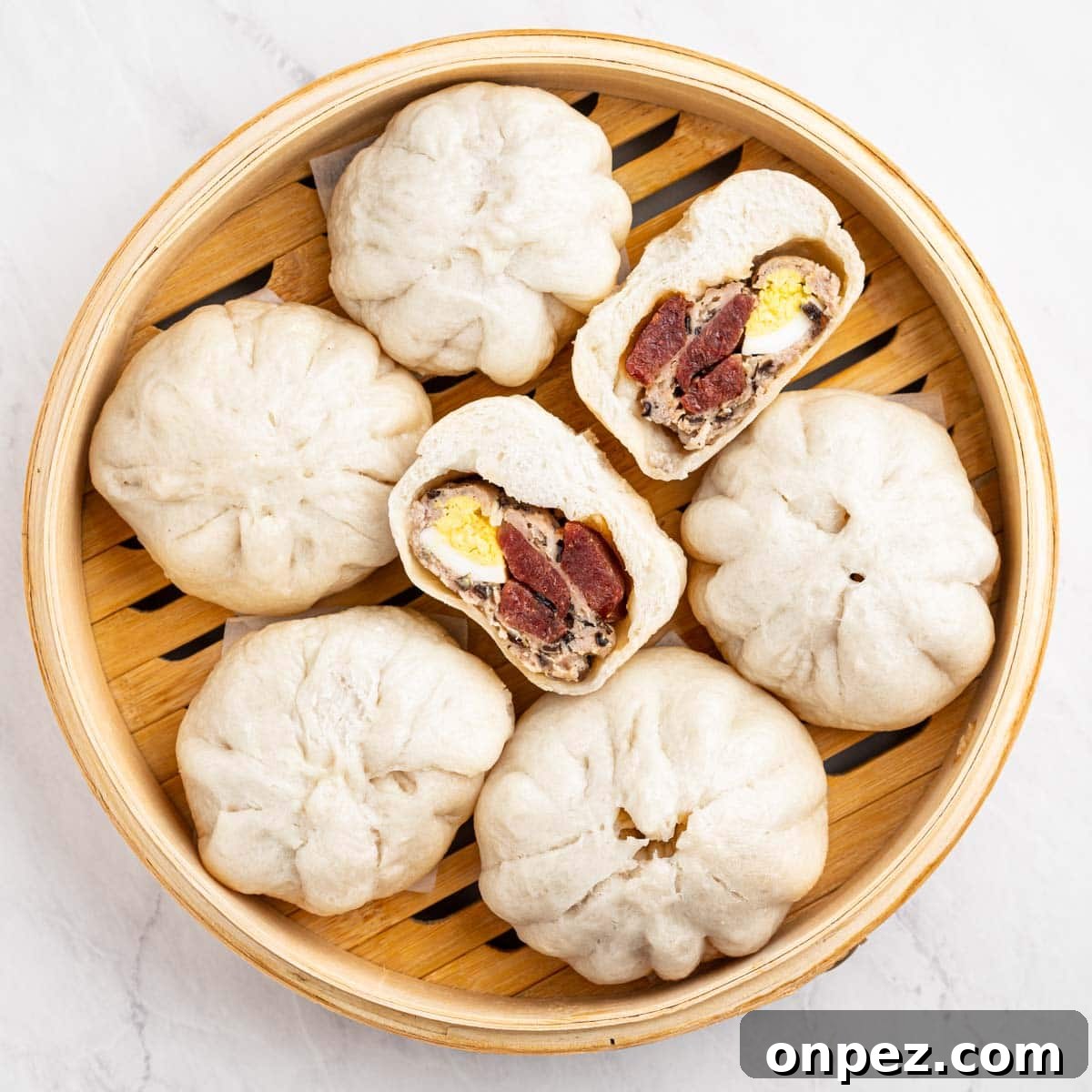
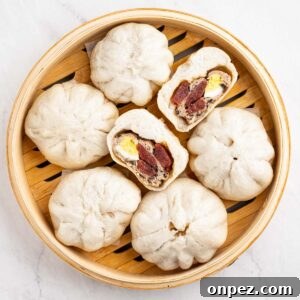
Bánh bao are soft, pillowy steamed buns filled with seasoned pork, Chinese sausage, and a whole egg tucked inside. They’re satisfying enough for breakfast, lunch, or a quick dinner, and they deliver that familiar bakery comfort every time.
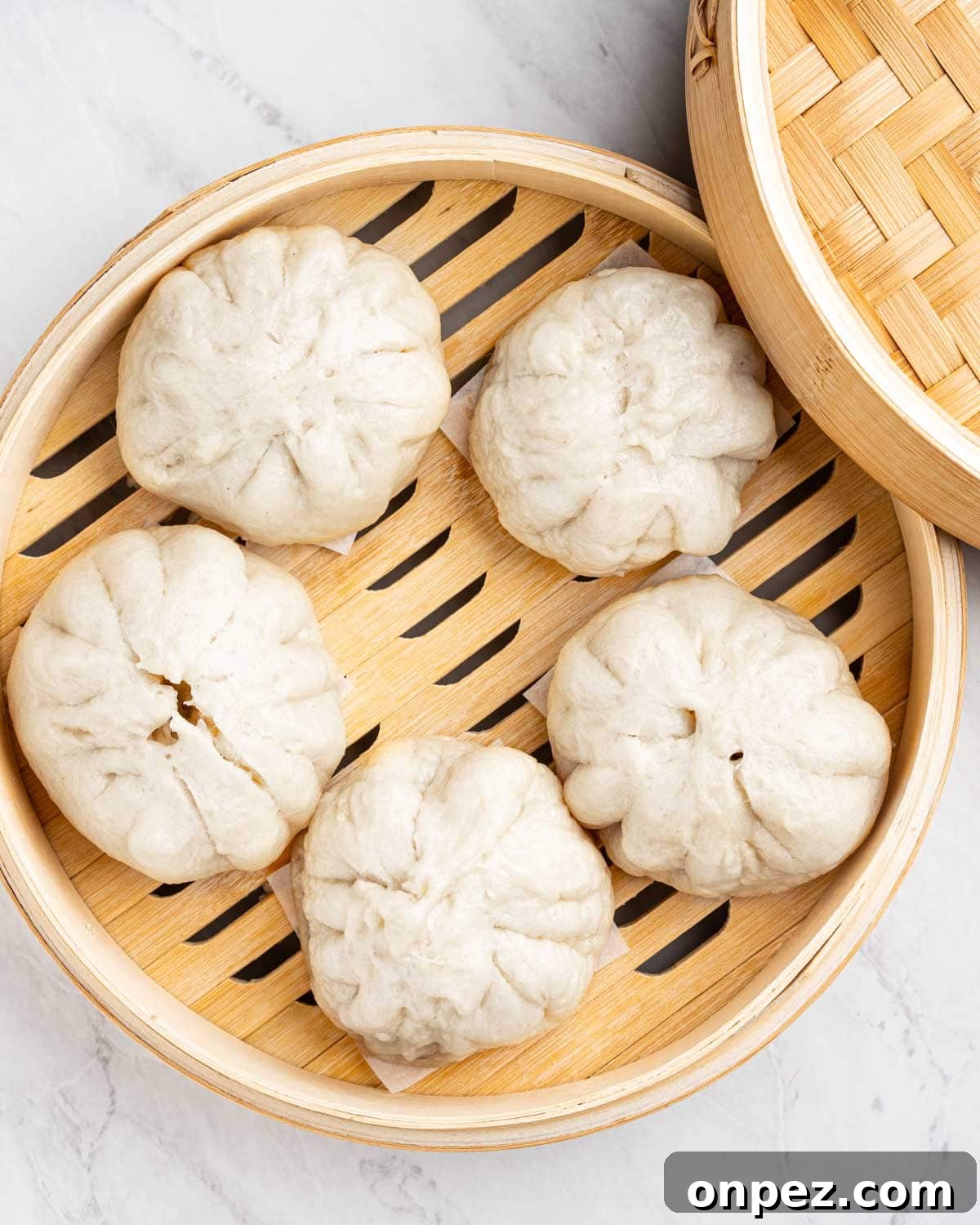
If you’ve enjoyed bánh bao from a Vietnamese bakery and wondered whether you can make them at home, you can. The recipe does take time, but each step is straightforward. Once you learn how to shape and steam the buns, they are very approachable and freeze well for make-ahead meals.
What is Bánh Bao?
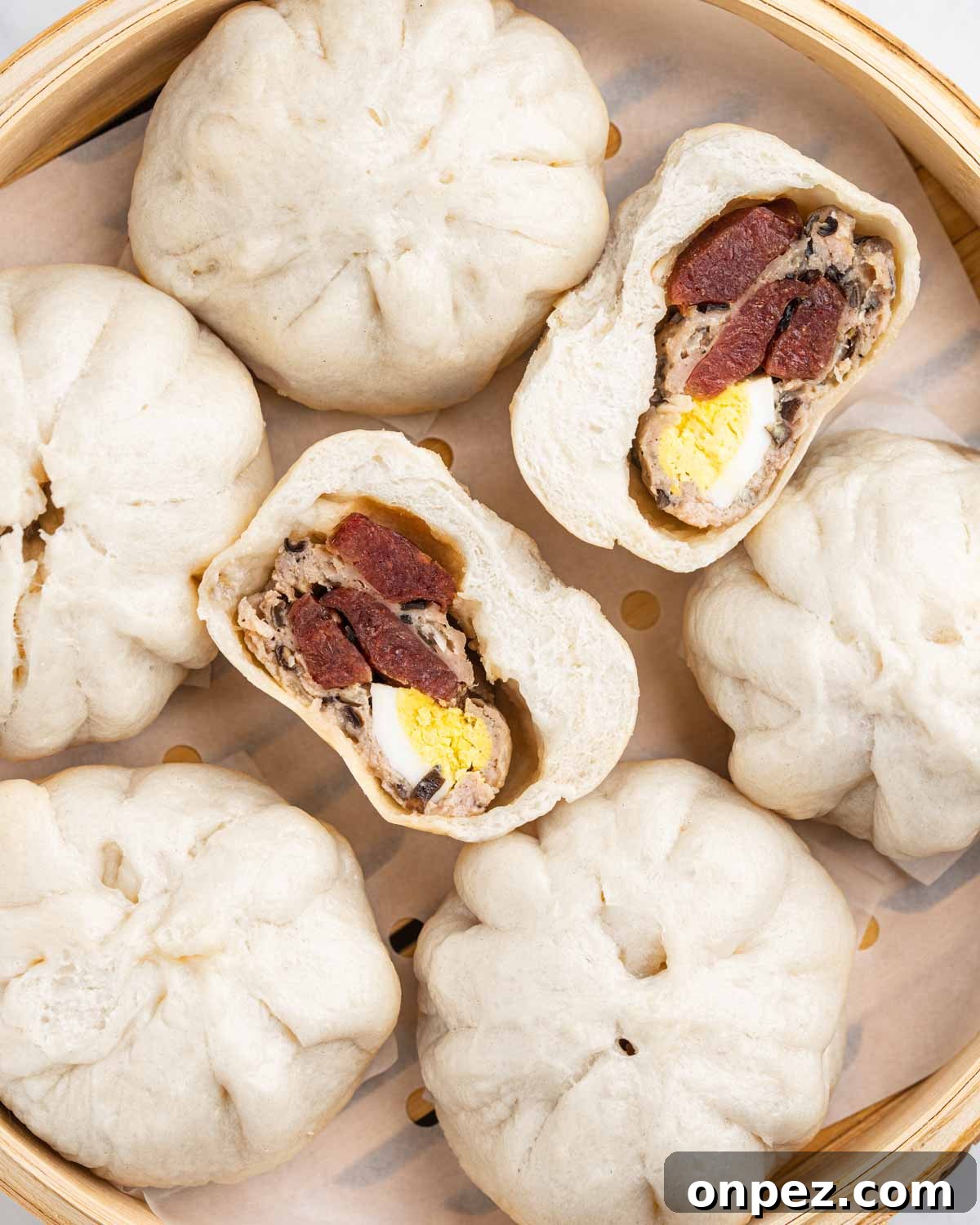
Bánh bao are Vietnamese steamed pork buns made from a lightly sweet, tender dough and filled with a savory mixture. Typical fillings include seasoned ground pork, lap xuong (Chinese sausage), mushrooms, crunchy bits like jicama or water chestnuts, and either quail eggs or halved hard-boiled chicken eggs.
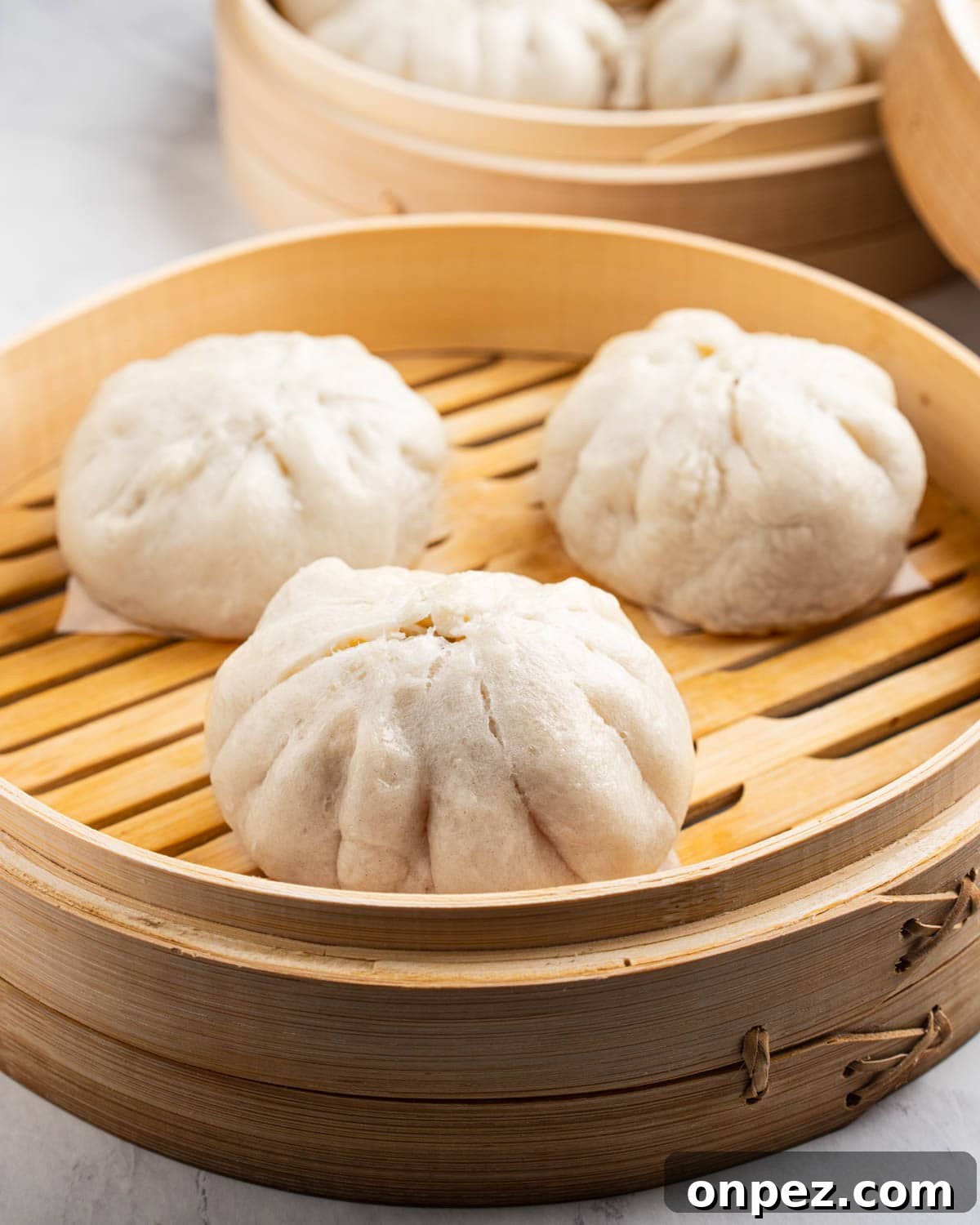
They’re similar to Chinese baozi but tend to be slightly sweeter and richer, often incorporating sausage and egg. Bánh bao are commonly enjoyed for breakfast, packed for lunch, or purchased from bakeries and street vendors as an easy meal on the go.
Ingredients That Matter (and Why)
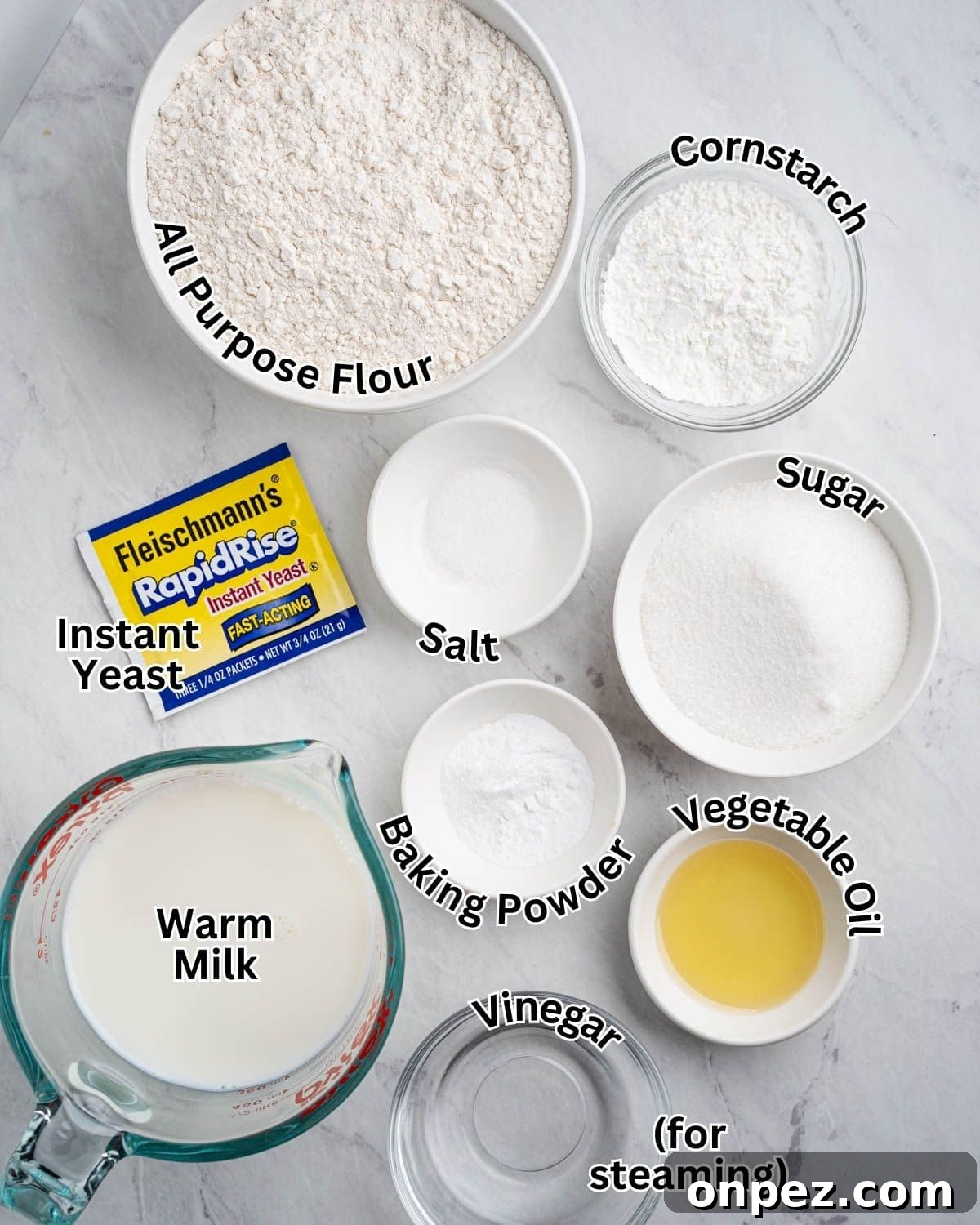
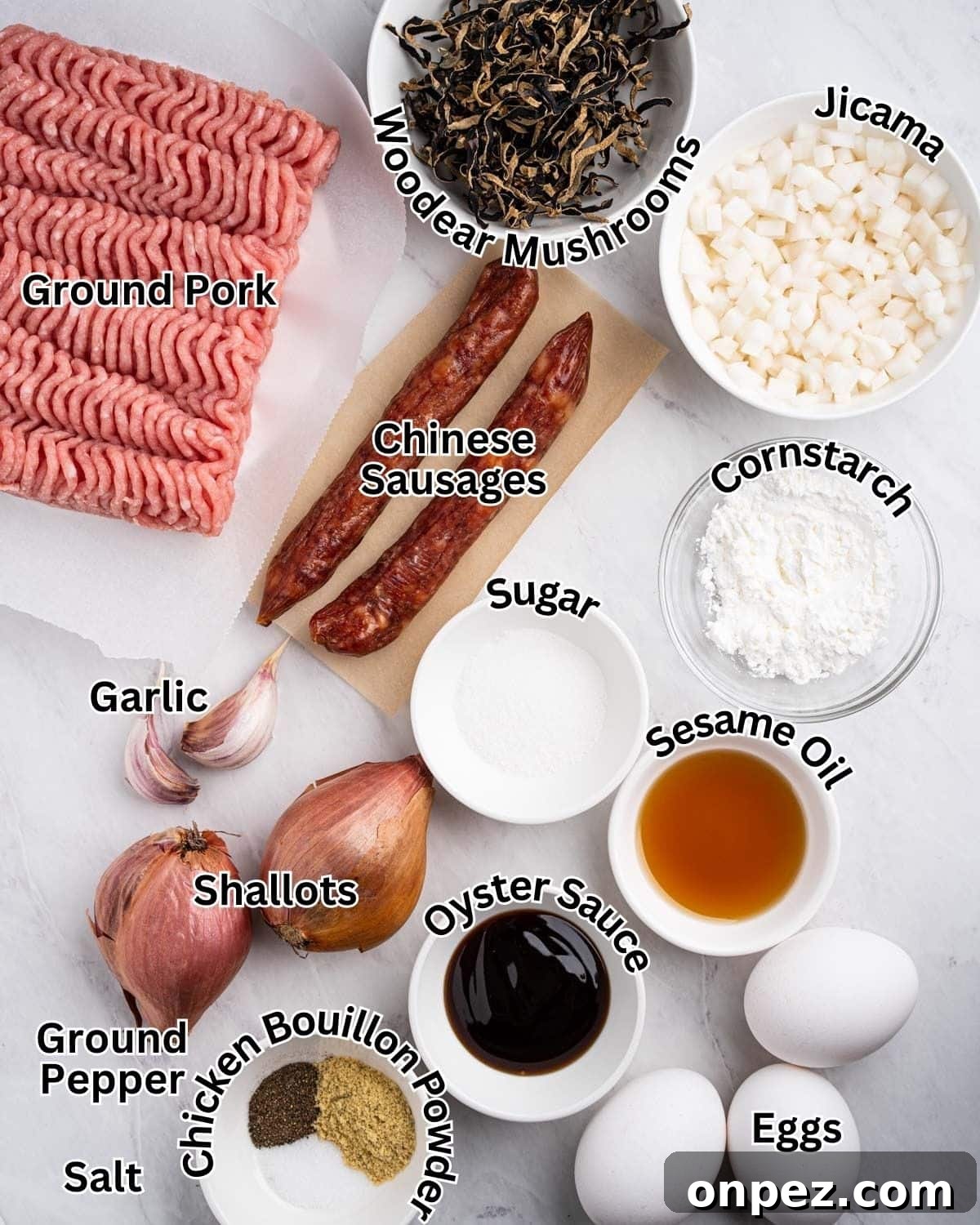
Please scroll down to the recipe card for full ingredient amounts and step-by-step instructions.
- Ground pork – Keeps the filling juicy and absorbs seasonings well. Avoid extremely lean pork to preserve moisture.
- Chinese sausage (lap xuong) – Adds sweet-savory richness and extra fat, balancing the pork filling.
- Eggs – Quail eggs are traditional, but hard‑boiled chicken eggs (whole or halved) are a convenient substitute and give the classic bakery look when sliced open.
- Jicama or water chestnuts – Provide a crisp contrast to the soft filling and prevent it from feeling heavy.
- Wood ear or shiitake mushrooms – Bring earthy flavor and a chewy, satisfying texture.
- All-purpose flour + cornstarch – A mix that keeps the steamed dough soft and tender rather than dense like bread.
- Milk – Warmer, milk-based doughs create a richer, softer crumb than water alone.
Substitutions and Flexibility
- No quail eggs? Use halved hard-boiled chicken eggs.
- No lap xuong available? Replace it with a bit of chopped char siu or omit it and use a touch more seasoning.
- No jicama? Water chestnuts are the closest textural substitute.
- Dairy-free option: swap the warm milk for warm water—buns will be slightly less tender but still good.
How to Make Bánh Bao (Overview)
Please scroll down to the recipe card for full ingredient amounts and step-by-step instructions.
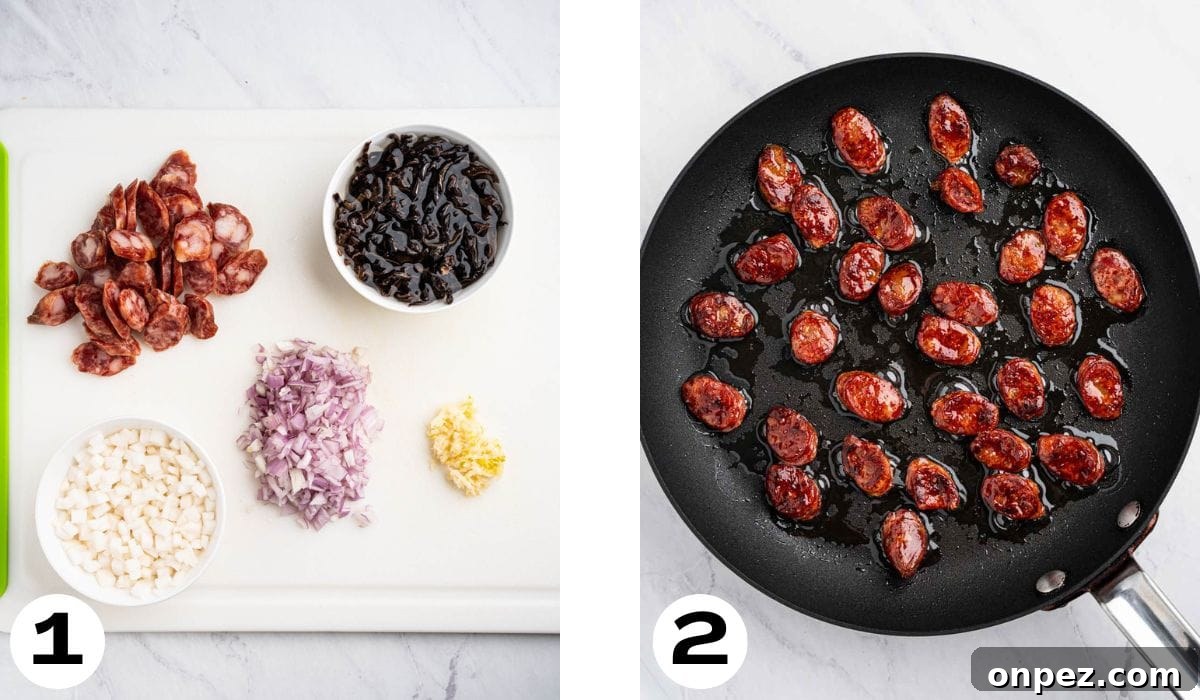
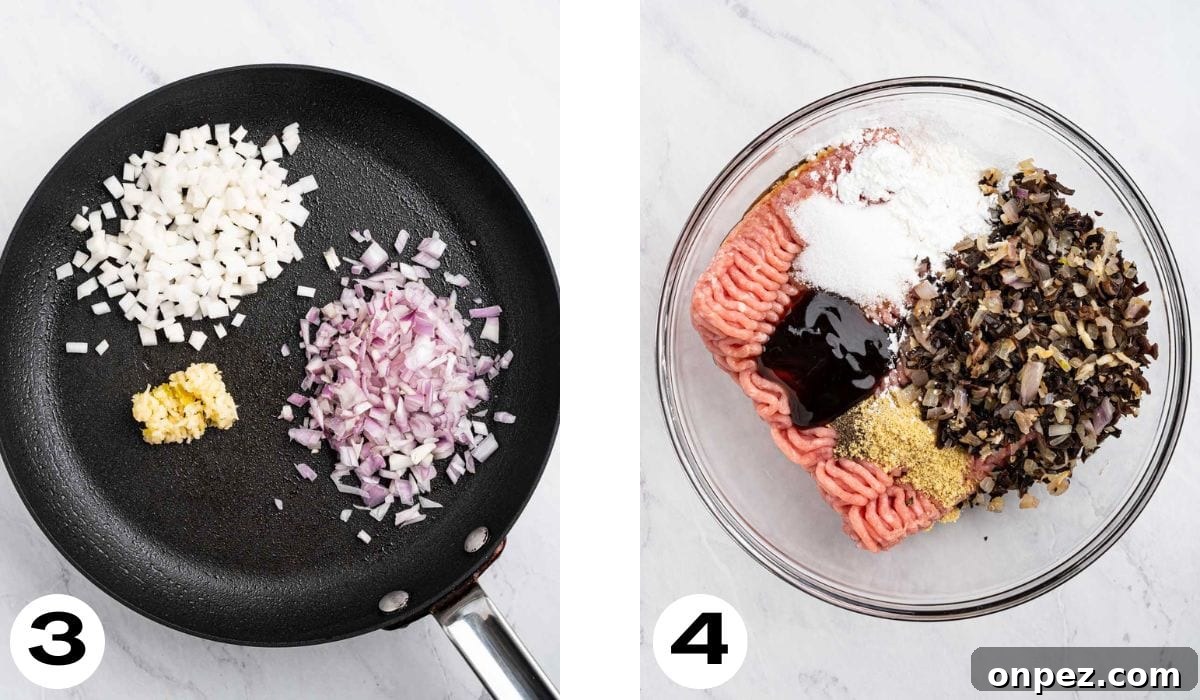
Work on the filling first. Cook the Chinese sausage until lightly browned, then sauté shallots, garlic, jicama (or water chestnuts), and mushrooms until softened. Cool the vegetables completely before combining with ground pork and seasonings to keep the filling moist and easy to shape.
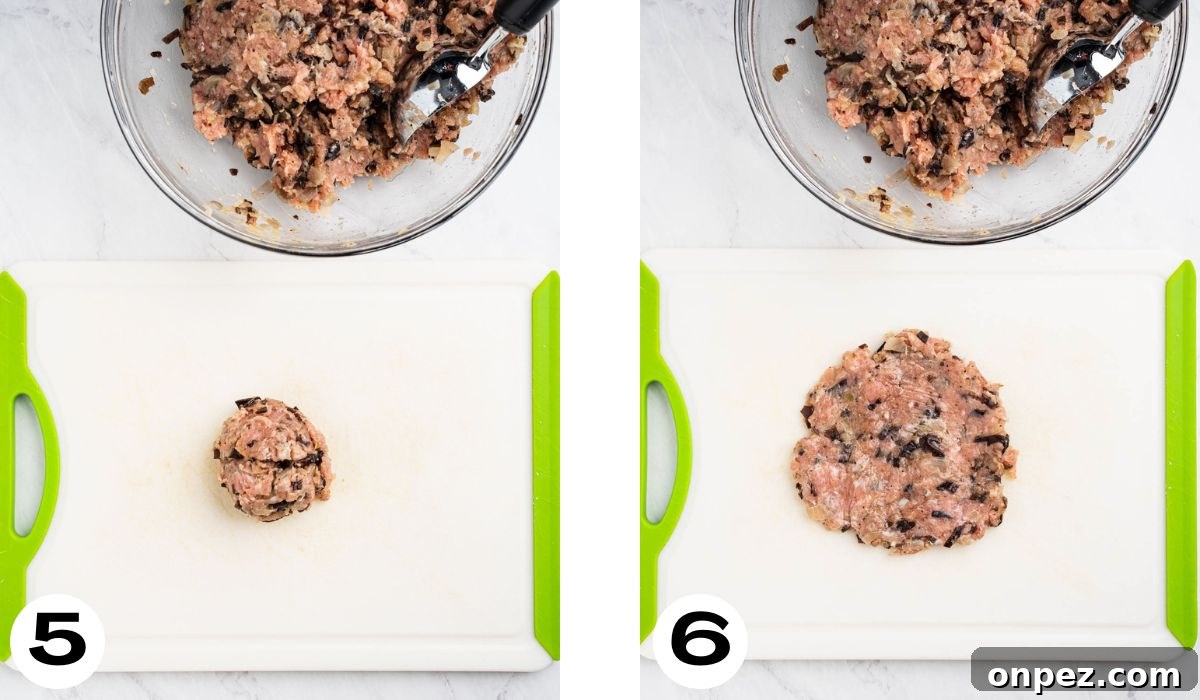
Form the filling into evenly sized meatballs, pressing an egg and a few slices of sausage into each. Chilling them briefly firm up the center and speeds assembly.
For the dough, mix the dry ingredients, add warm milk, and knead until soft and slightly tacky. A short rest relaxes the gluten, making it easier to shape. Portion the dough, flatten each piece, place the meatball in the center, then pleat and seal.
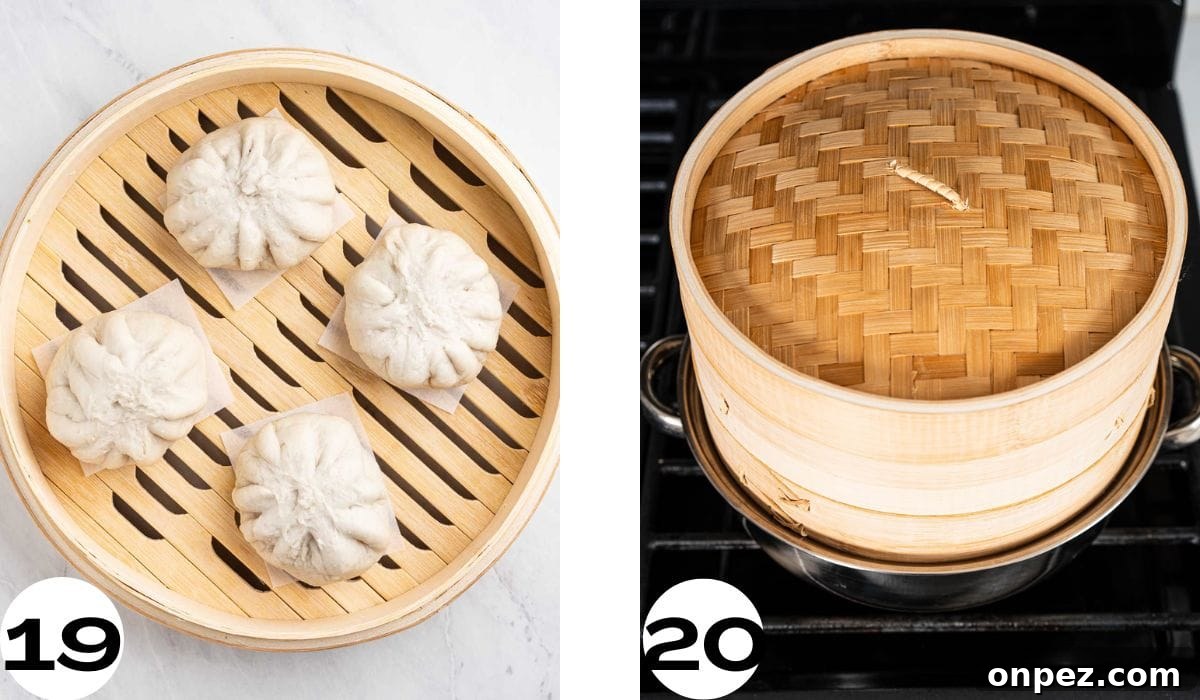
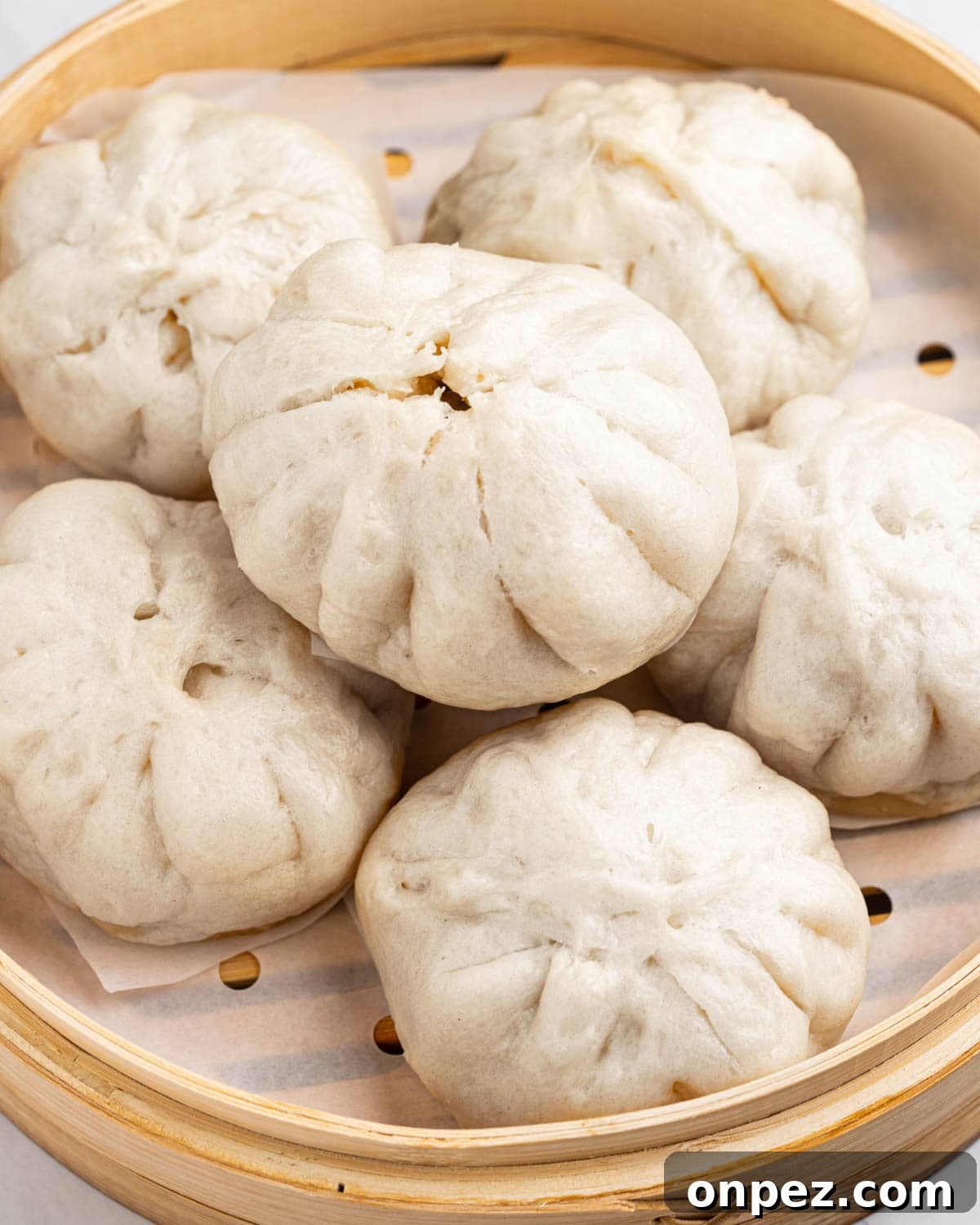
Steam the buns until they’re puffed and cooked through. After steaming, let them rest in the closed steamer for a few minutes before lifting the lid to prevent collapse.
Tips for Success
• Keep unused dough covered so it doesn’t dry out while you shape the buns.
• Don’t overfill—aim for a snug seal rather than packing in too much filling.
• Pleat slowly and evenly; hold the bun in your palm and rotate it as you pleat.
• Add a splash of vinegar to the steaming water to help keep the buns white and encourage a good rise.
• Let the buns rest in the steamer for a few minutes after turning off the heat before opening the lid.
Troubleshooting
Why didn’t my bánh bao rise during steaming?
Possible causes include inactive yeast, not enough rising time, or steaming with insufficient heat or steam.
Why is my dough too sticky?
Too much liquid, inaccurate flour measurement, or insufficient kneading. Add a tablespoon of flour at a time and knead until manageable.
Why are my buns dry and dense?
Over-kneading, not enough rising time, or using too much flour can lead to a dense texture.
How can I prevent sticking?
Place parchment squares or cabbage leaves beneath each bun in the steamer to avoid sticking.
How to Store and Reheat
These buns store well, making them ideal for meal prep.
Refrigerate:
Place cooked buns in an airtight container for up to 3 days. Reheat by steaming for 5–7 minutes or microwaving with a damp paper towel to restore moisture.
Freeze:
After cooling completely, freeze fully cooked buns. Steam from frozen for 10–12 minutes until heated through. They’re convenient for quick breakfasts and busy days.
What to Serve with Bánh Bao
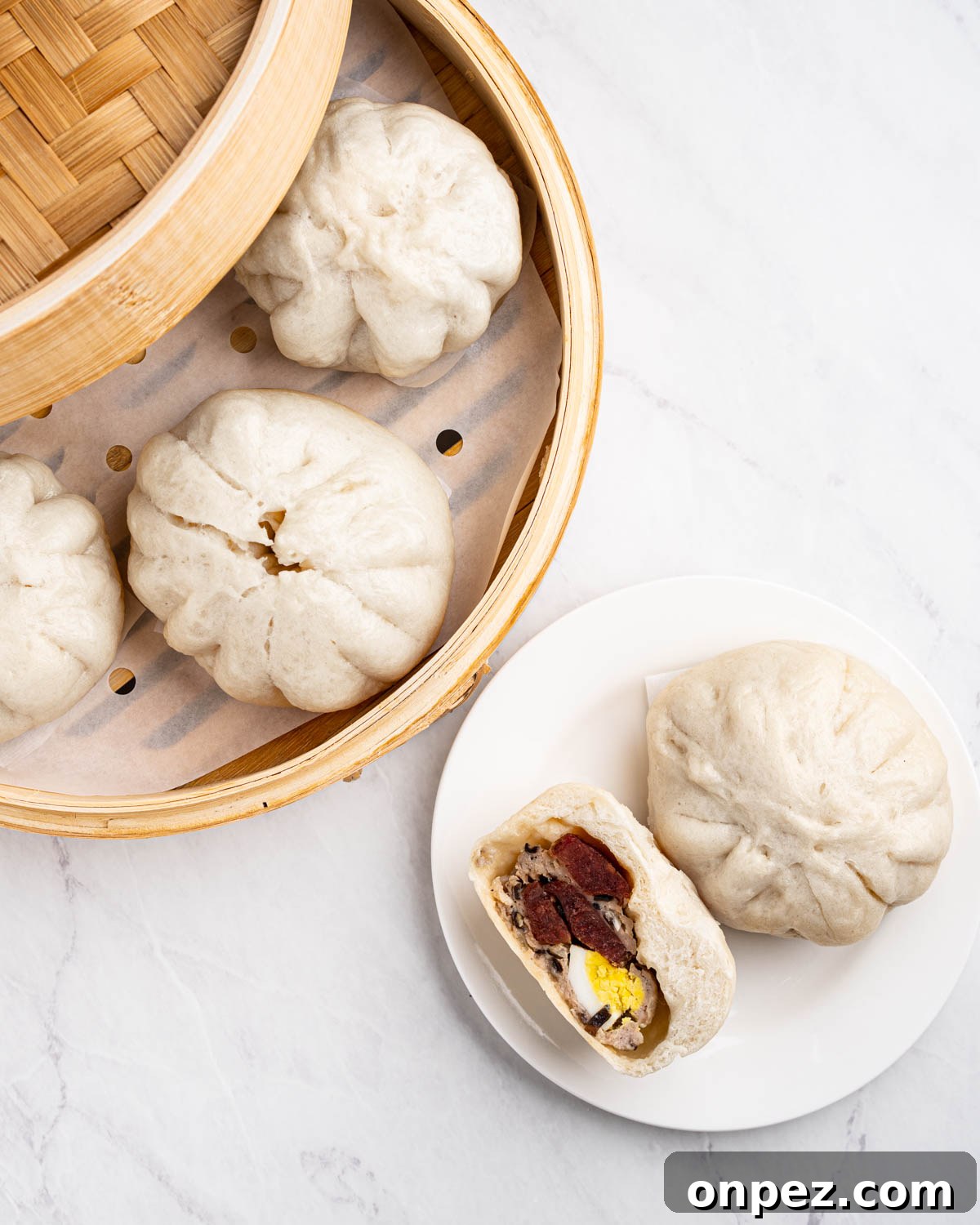
Bánh bao are substantial on their own, but a bright, acidic side like Vietnamese pickled carrots and daikon balances the rich filling. They also work alongside other simple Vietnamese dishes or a light soup when you want a more complete spread. Finish with a light sweet dessert if you like.
Make These Once, Then Keep Them on Repeat
Homemade bánh bao take some time, but the reward is a tender steamed bun with a savory, bakery-style filling. They’re freezer-friendly and reheated well, which makes them a great project to make ahead. If you try this recipe, save it for easy future meals and enjoy the comfort of fresh steamed buns at home.
RECIPE
Bánh Bao (Vietnamese Steamed Pork Buns)
Author: Quynh Nguyen
Soft, fluffy steamed buns filled with seasoned ground pork, Chinese sausage, crunchy vegetables, and egg. Bakery-style, freezer-friendly—great for breakfast, lunch, or make-ahead meals.
Equipment
- Stand mixer (or by-hand mixing and kneading)
- Steamer
Ingredients
Filling
- 1 pound ground pork
- 2 Chinese sausages (lap xuong), sliced
- 6 quail eggs or hard‑boiled eggs (whole or halved)
- 1 cup jicama (or water chestnuts), finely diced
- ½ cup wood ear or shiitake mushrooms, soaked and chopped
- 2 shallots, minced
- 2 cloves garlic, minced
- 1½ tbsp oyster sauce
- ½ tbsp sesame oil
- 1 tsp chicken bouillon powder
- 2 tsp sugar
- 1 tsp salt
- ½ tsp ground pepper
- 1 tbsp cornstarch
Dough
- 4 cups all-purpose flour (plus more for dusting)
- 5 tbsp cornstarch
- ½ cup sugar
- 2¼ tsp instant yeast
- ½ tsp salt
- 1½ tsp baking powder
- 1½ cup warm milk
- 2 tbsp vegetable oil
For Steaming
- 1 tbsp vinegar (added to steaming water)
Instructions
Make the Filling
- Sauté sliced Chinese sausage in a skillet over medium heat until lightly browned, about 2 minutes per side. Remove and set aside.
- In the same skillet, cook shallots, garlic, jicama, and mushrooms with a pinch of salt for 3–4 minutes until softened. Let cool completely.
- In a large bowl, combine ground pork with oyster sauce, sesame oil, bouillon powder, sugar, salt, pepper, and cornstarch.
- Add the cooled vegetables and mix gently until just combined.
- Divide the mixture into 12–14 equal meatballs. Press an egg (or egg piece) and a few slices of sausage into each meatball. Chill while you prepare the dough.
Make the Dough
- In the stand mixer bowl, combine flour, cornstarch, sugar, yeast, salt, and baking powder.
- Add warm milk and mix on low speed for 1 minute.
- Increase to medium speed and knead for 8–10 minutes, adding vegetable oil halfway through.
- The dough should be soft and slightly sticky. Cover and let rest for 15 minutes.
Shape the Buns
- Divide the dough into 12–14 equal pieces. Roll each into a ball and cover; rest for 15 minutes.
- Flatten each piece into a disk, keeping the center slightly thicker than the edges.
- Place a prepared meatball in the center, pleat the dough around it, and pinch to seal.
- Place buns on parchment-lined trays, cover loosely, and let rest for 30 minutes.
Steam
- Line the steamer with parchment paper or cabbage leaves.
- Bring water to a boil and add 1 tablespoon vinegar to the water.
- Steam buns in batches for 18 minutes.
- Turn off the heat and let the buns sit in the steamer for 3 minutes before opening the lid.
- Serve warm.
Notes
- Use a kitchen scale for best results when measuring flour and dividing the filling.
- Keep dough and shaped buns covered at all times to prevent drying.
- Let the filling cool completely before assembling to avoid softening the dough.
- Adding vinegar to the steaming water helps keep the buns white and supports a lighter texture.
- Shaped buns can rest in the fridge (covered) for up to 24 hours before steaming for make-ahead prep.
- Fully cooked buns freeze well. Steam straight from frozen for 10–12 minutes until heated through.
Nutrition (per bun, approximate)
- Calories: 461 kcal
- Carbohydrates: 50 g
- Protein: 19 g
- Fat: 20 g
- Fiber: 3 g
Have you tried this recipe? Leave a rating and let us know how it turned out!