Blanching green beans before freezing is a simple step that makes a big difference. Blanching stops the enzymes that cause loss of texture, colour and flavour, so your frozen beans stay bright and tasty for months. If you plan to keep vegetables in the freezer longer than a few weeks, blanching is strongly recommended. Although some sources suggest freezing without blanching, food science experts agree that blanching preserves the best flavour, colour and texture for long-term storage.
Related topics to explore: Freezing fruits and vegetables, Cooking frozen green beans, Green bean recipes.
Bush beans are among the easiest and quickest vegetables to grow. Plant seed and, in many climates, you can begin harvesting in 40–50 days. Picking regularly encourages more flowers and extends the harvest, giving you plenty to eat fresh and to preserve. Before gifting bulky bags of beans to friends, save some by blanching and freezing for winter meals.
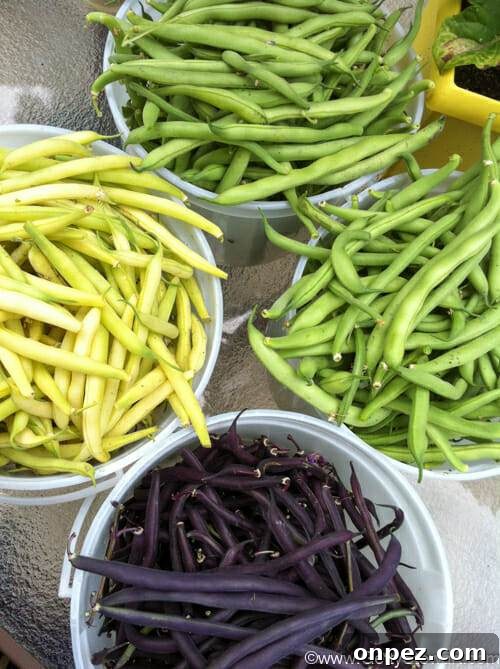
Many gardeners grow green, yellow and burgundy wax beans because the colours look beautiful in salads and side dishes. Note that burgundy beans will lose their deep purple colour when cooked, while yellow and green varieties keep bright tones that work well for pickling or preserving.
How to Freeze Beans
Step 1 – Harvest or buy fresh beans and process them as soon as possible. The fresher they are when blanched, the better the flavour and texture after freezing.

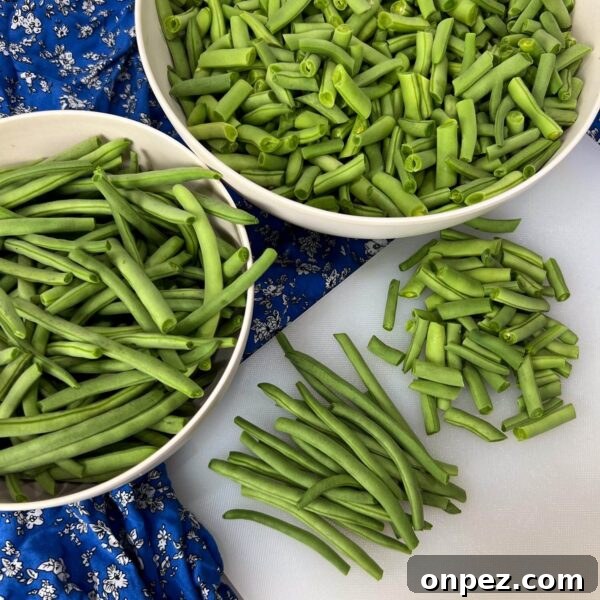
Step 2 – Trim the ends and cut beans to your preferred size. You can freeze them whole or cut into pieces for recipes.
Step 3 – Rinse thoroughly to remove dirt and debris.
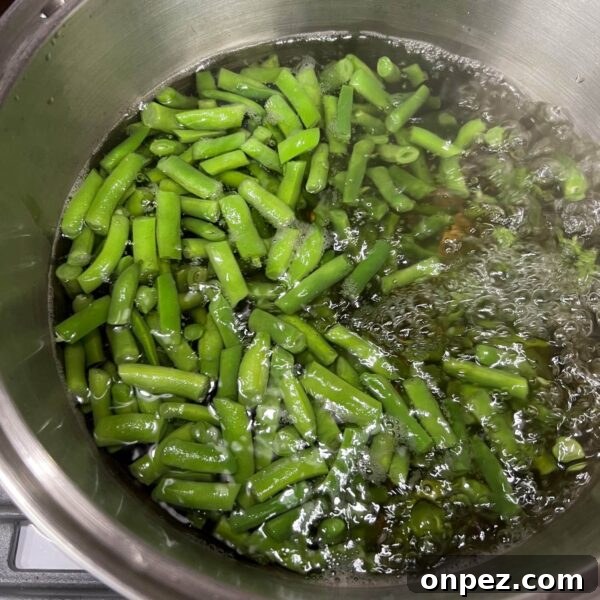
Step 4 – Bring a large pot of water to a rolling boil. Use about 1 gallon of water per pound of prepared vegetables (roughly 16 cups of water for 4 cups of prepared beans) so beans aren’t crowded and the water returns to a boil quickly.
Step 5 – Add the beans to the boiling water. If you have a large quantity, blanch in batches. After the water returns to a boil, boil beans for 2–3 minutes: 2 minutes for cut beans, 3 minutes for whole beans. This short hot bath neutralizes the enzymes that cause deterioration.
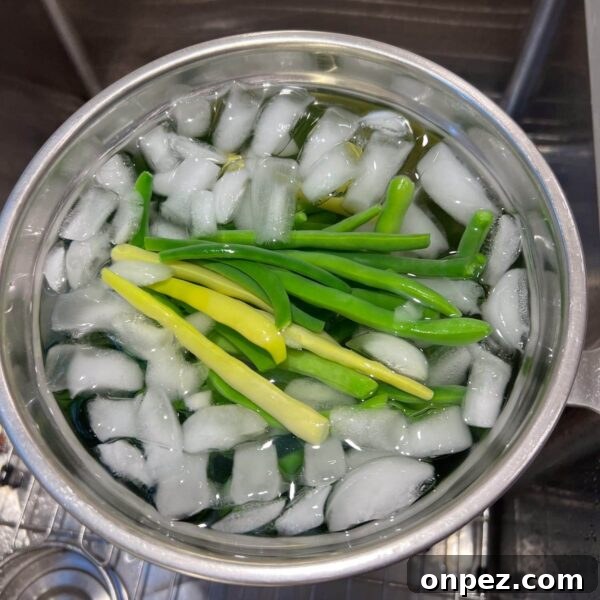
Step 6 – Immediately transfer blanched beans to an ice water bath to stop cooking and lock in colour and texture. Leave them in the ice bath for about as long as the blanching time.
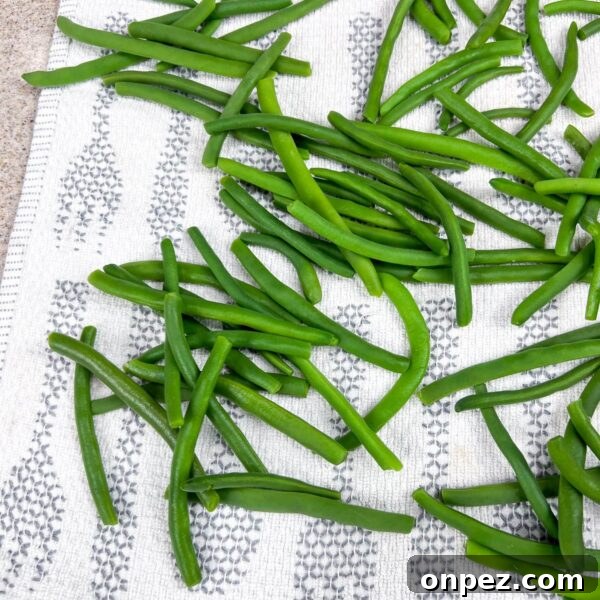
Step 7 – Drain well and pat dry with a clean towel or paper towels. Removing excess water prevents ice crystals and helps beans freeze more evenly.
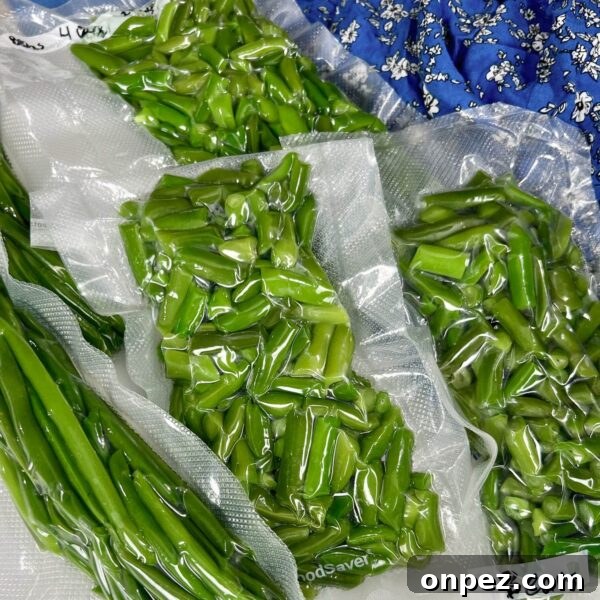
Step 8 – Pack into freezer bags or containers in portions you’ll use most often. Remove as much air as possible to prevent freezer burn; use a vacuum sealer or squeeze out air with a straw for better long-term quality.
Step 9 – Label the packages with contents and date, then place them in the freezer. Frozen beans will remain safe for years, but for best flavour and texture use within 6–12 months.
Can I Can My Green Beans?
Canning green beans is possible but requires the right method. Because green beans are low-acid vegetables, they must be processed either in a pressure canner or preserved in an acid brine (for pickled beans). Water-bath canning alone is not a safe method for low-acid vegetables and can allow harmful bacteria to survive. Follow tested canning recipes and procedures exactly to ensure safety.
Is Botulism a Real Concern?
Yes. Botulism is a serious foodborne illness associated with improperly canned low-acid vegetables. Historical outbreaks and public health data show that home-canned vegetables processed without proper pressure or acidification have caused illness and death. The safe solution is straightforward: use a pressure canner for low-acid foods or make properly acidified pickles using trusted recipes. When in doubt, choose freezing, pressure canning or pickling following reliable guidelines.
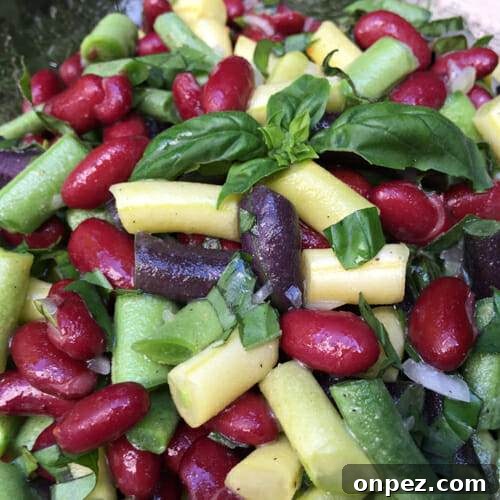
Ideas for using frozen beans: pork and green bean chili, classic three-bean salad, bean and basil salad, and garden vegetable soup. You can also dehydrate beans or make dilly beans for a different style of preservation.
Cook with the seasons, effortlessly. Getty Stewart, food educator and professional home economist, helps home cooks select, store and serve seasonal ingredients in simple everyday meals.