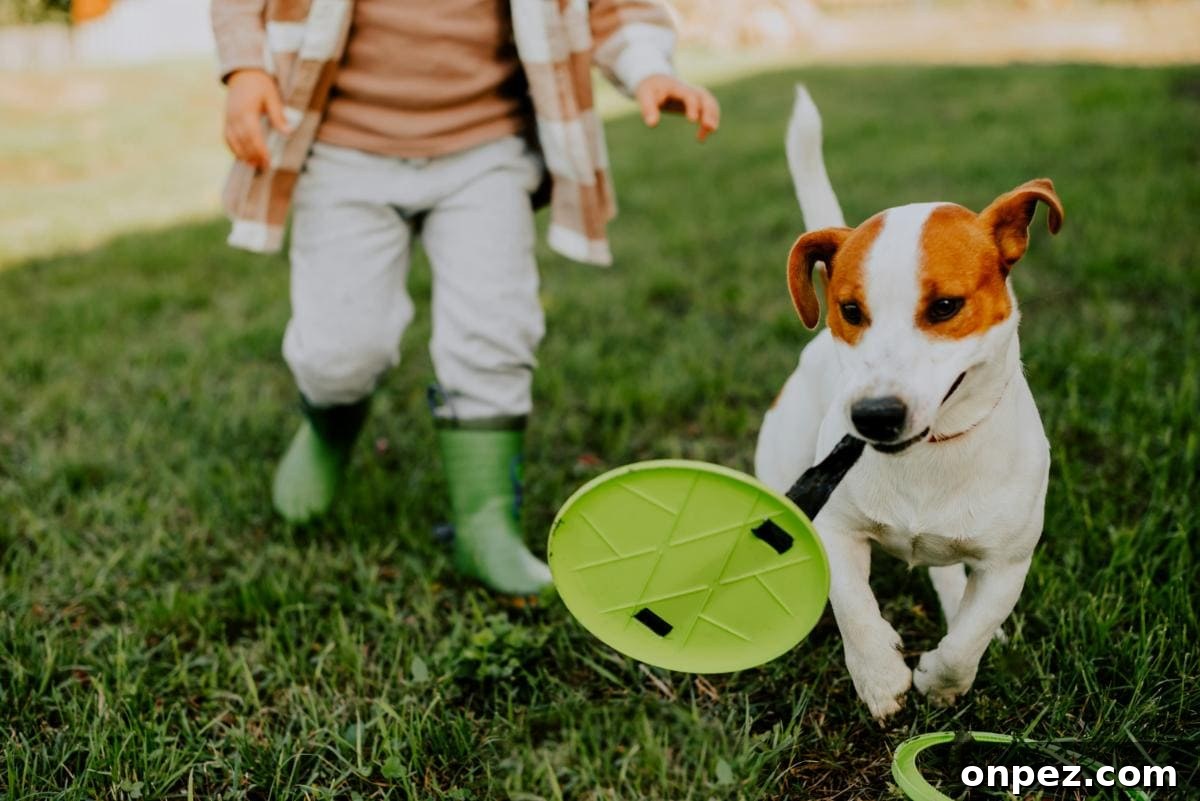
Raising children comes with ups and downs, and adding pets into the mix introduces a different set of challenges and rewards. Balancing the needs of kids and animals requires planning, clear routines, and a home set up to be comfortable and safe for everyone. Below are practical, family-friendly strategies to create a harmonious household where children and pets can thrive together.
These tips cover choosing durable, pet-friendly furniture, setting boundaries, encouraging positive interactions, and building routines that make daily life easier and safer for both your kids and your animals.
1. Choosing pet-friendly furniture
Selecting the right furniture goes a long way toward reducing stress and maintenance. Opt for materials that are easy to clean and resist wear, such as leather, microfiber, or tightly woven fabrics. These fabrics shed less hair and are generally simpler to wipe or vacuum.
For families with active children and playful pets, durable upholstery and sturdy frames are a smart investment. They withstand energy and activity, which reduces the need for frequent repairs and keeps living spaces looking neat and welcoming.
2. Establishing Boundaries
Clear boundaries help everyone in the home understand expectations. Train pets to respect off-limits areas or specific furniture, and provide them with their own comfortable spots like beds or crates. A defined space offers pets a sense of security and keeps their toys and bedding contained.
Equally important is teaching children how to interact with animals respectfully. Show them how to approach pets calmly, avoid disturbing them while they eat or sleep, and recognize signs that an animal needs space. These lessons promote safety and compassion, and they help prevent misunderstandings and accidental injuries.
3. Creating a Pet-Friendly Environment

Designate pet-friendly zones to keep the home organized and reduce clutter. A cozy corner with a bed, a mat near the door for muddy paws, or a small play area with toys helps contain pet items and makes daily clean-up simpler.
Think about flooring and layout, too. Hard floors or washable rugs near doors and feeding areas are easier to clean than wall-to-wall carpet. Keeping essential supplies—leashes, grooming tools, food bowls—together in one place saves time and prevents items from being scattered around the house.
4. Encouraging Positive Interactions
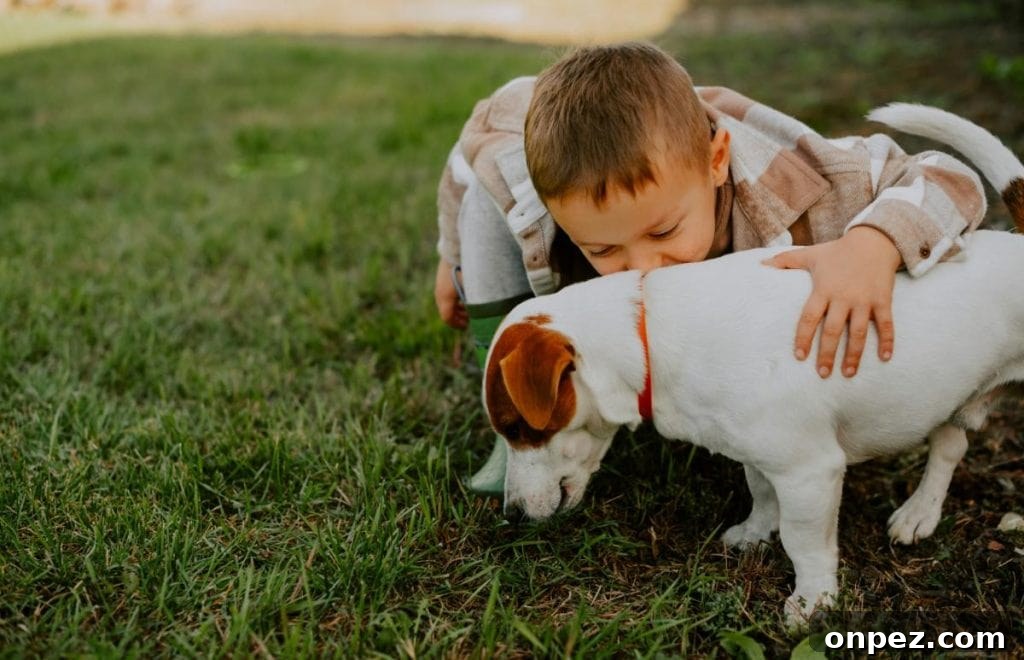
Strong bonds between children and pets develop through calm, supervised interactions. Teach kids to approach slowly, speak softly, and offer gentle petting. Explain pet body language in simple terms—ears back, hissing, growling, or a tucked tail can mean the animal is uncomfortable.
Supervised playtime is a great way to build positive associations while ensuring safety. Reinforce good behavior with praise or small rewards for both pets and children so they learn how to play and interact appropriately.
5. Managing Pet Care Responsibilities
Assigning age-appropriate pet chores teaches responsibility and empathy. Young children can help fill water bowls, put out food, or hand over toys. Older kids can assist with brushing, walking, and helping during bath time or vet visits.
Consistent routines make pet care predictable and manageable. If your family’s schedule is busy, consider time-saving tools and devices that support regular feeding and cleaning routines without compromising care. Automated feeders, water fountains, and self-cleaning litter boxes can help maintain consistency and reduce daily manual tasks.
6. Prioritizing Hygiene
Good hygiene protects both children and pets. Regular grooming—brushing to control shedding and trimming nails—reduces dirt and allergens around the home. Wiping paws after outdoor time and keeping feeding areas clean prevents messes and discourages pests.
Vacuuming frequently, especially where pets rest and play, reduces hair and dander. Wash pet bedding regularly and sanitize high-traffic areas to keep the home healthy and tidy for everyone.
7. Planning for the Unexpected

Prepare for emergencies by keeping a basic first-aid kit for both kids and pets and storing contact details for your pediatrician and veterinarian in an easy-to-find spot. Being ready for illness, allergies, or accidental injuries reduces stress and helps you respond quickly and confidently.
The Wrap Up
Balancing parenting and pet ownership takes work, but with thoughtful planning it’s a highly rewarding experience. Choosing durable, easy-to-clean furnishings, setting clear boundaries, teaching respectful interactions, and establishing predictable care routines create a safer, more joyful home for children and pets alike.
When you put these strategies in place, your family can enjoy the companionship, responsibility, and many small moments of happiness that come from raising kids and pets together.