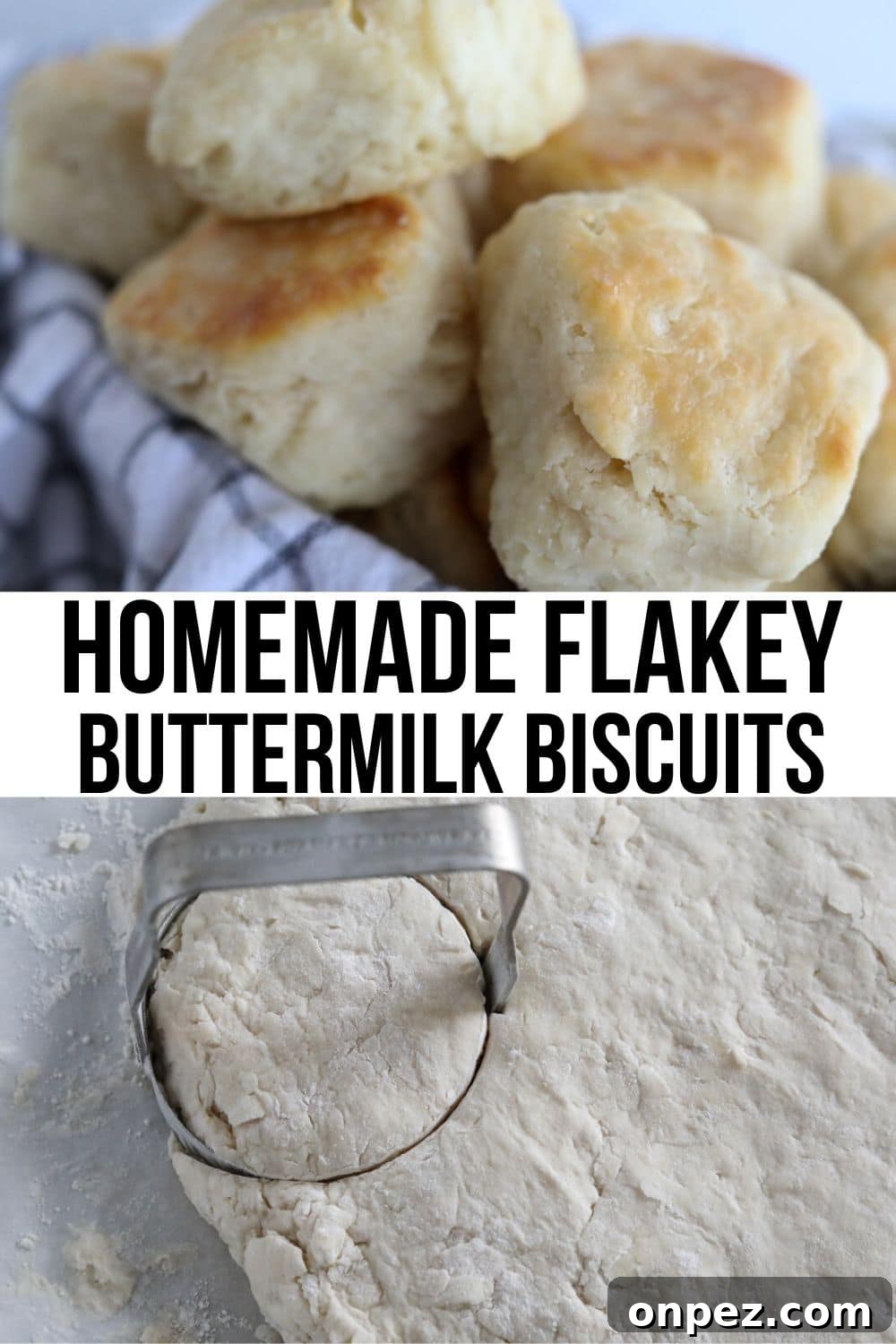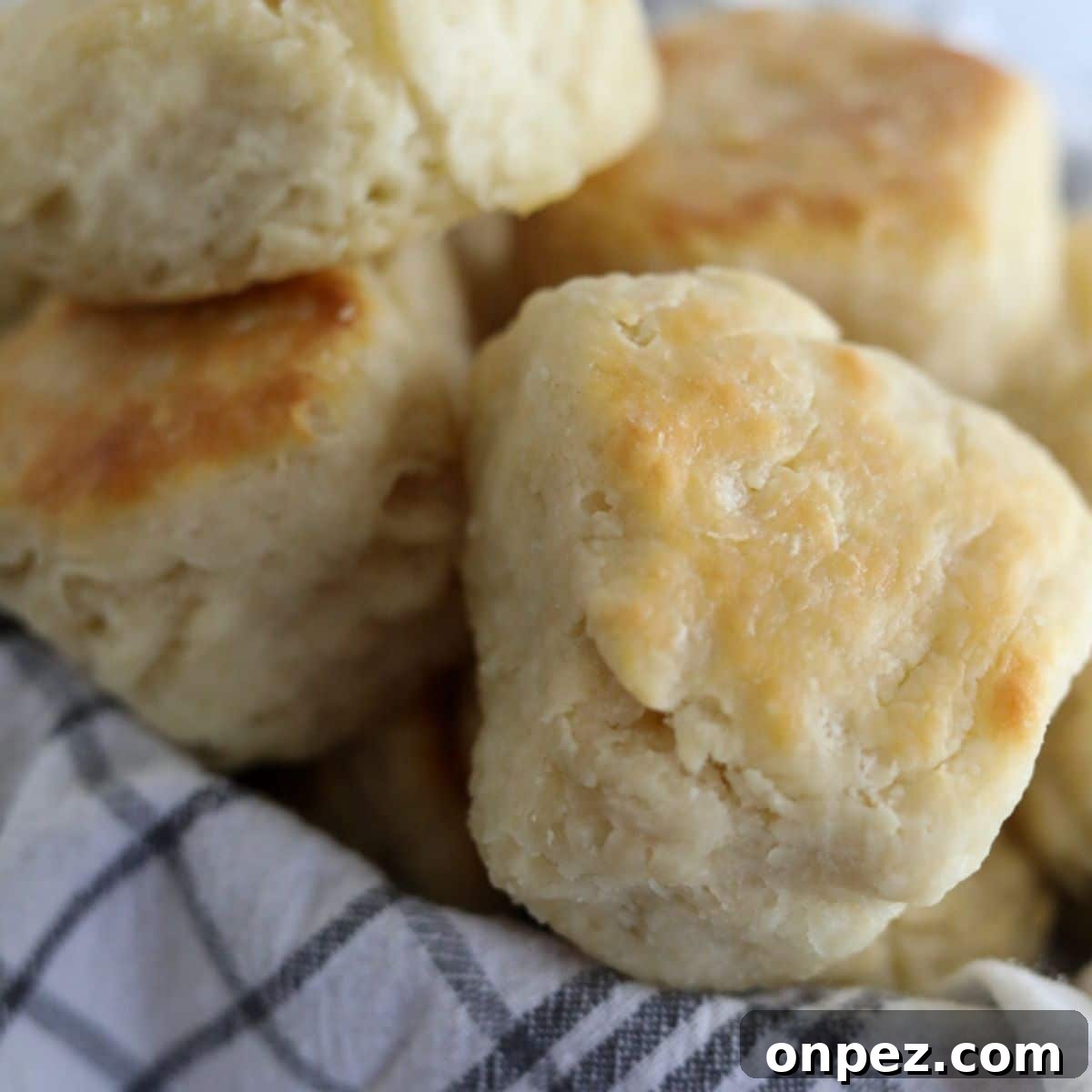
This Homemade Biscuits from Scratch recipe yields tender, flaky biscuits with just three main ingredients and about 15 minutes of oven time. Simple, quick, and reliably delicious, these biscuits are perfect with fried chicken, soup, gravy, or on their own slathered with butter and honey.
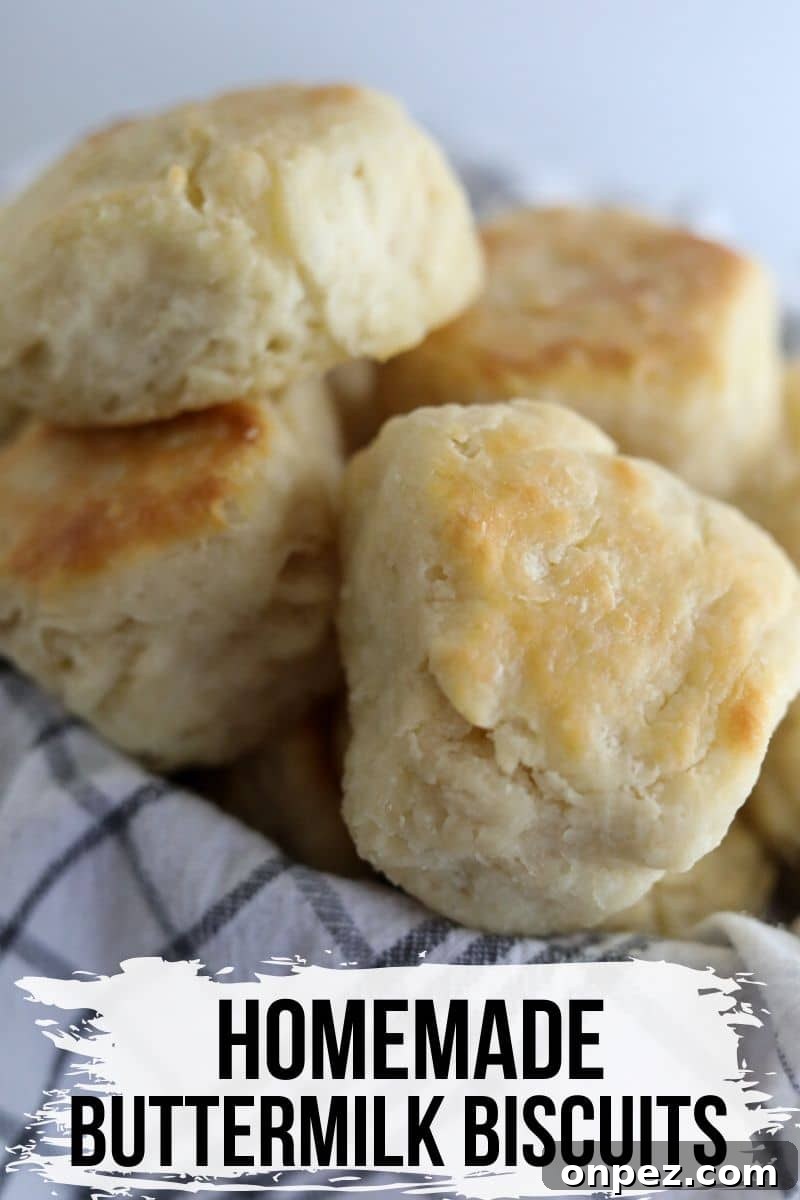
How to make buttermilk biscuits from scratch
Biscuits are classic comfort food: soft, tall, and slightly flaky. This step-by-step guide walks you through an easy method that produces consistent results, even for first-time biscuit bakers. Follow the tips below to keep the butter cold, handle the dough minimally, and achieve tall, layered biscuits.
Main ingredients you’ll need
- Butter — cold, to create steam pockets that help the biscuits rise and stay flaky.
- Self-rising flour — provides the leavening so biscuits are tall and tender.
- Buttermilk — cold, for the tang and to react with the flour for lift.
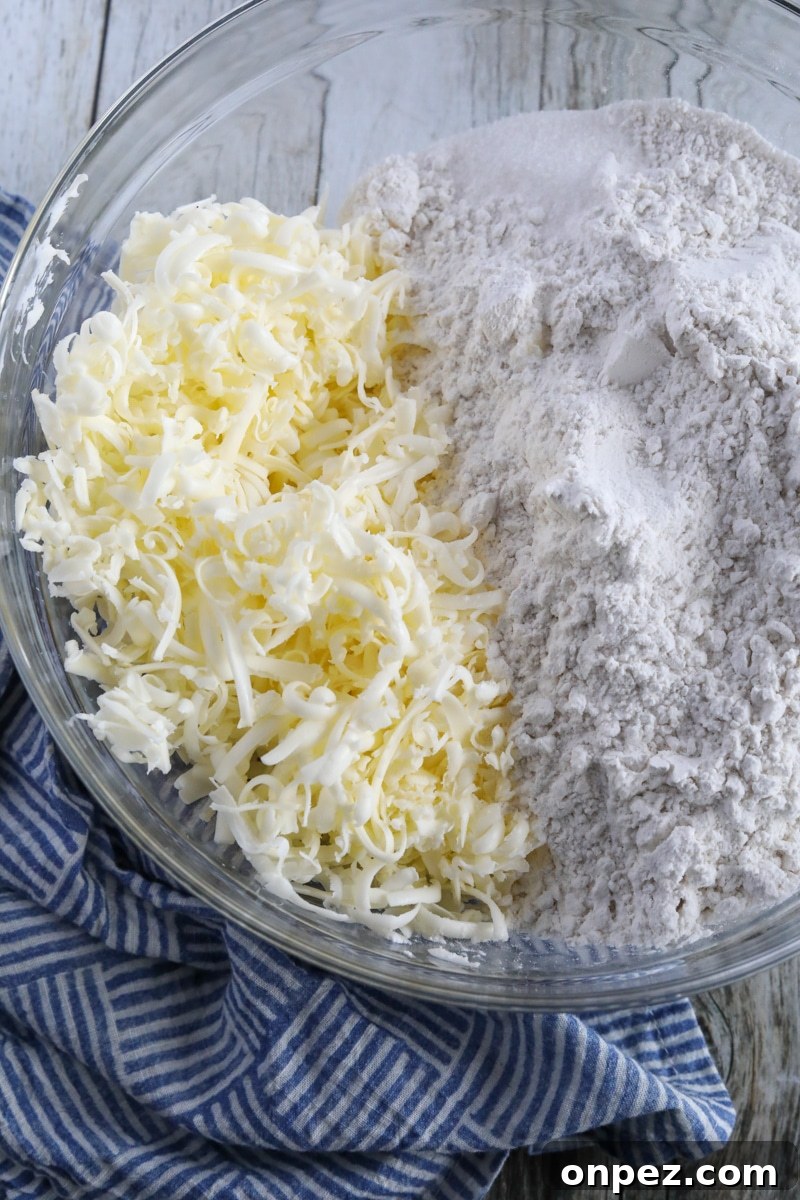
Step 1: Freeze the butter so it is very cold before grating. Use the large holes on a box grater to grate the frozen butter into a large bowl, then add the self-rising flour. Keep the butter cold throughout; handle it as little as possible. You can even chill the flour so the dough stays cool.
If the butter softens slightly while grating, it’s okay — you’ll chill the mixture again before adding liquid. Avoid letting the butter melt.
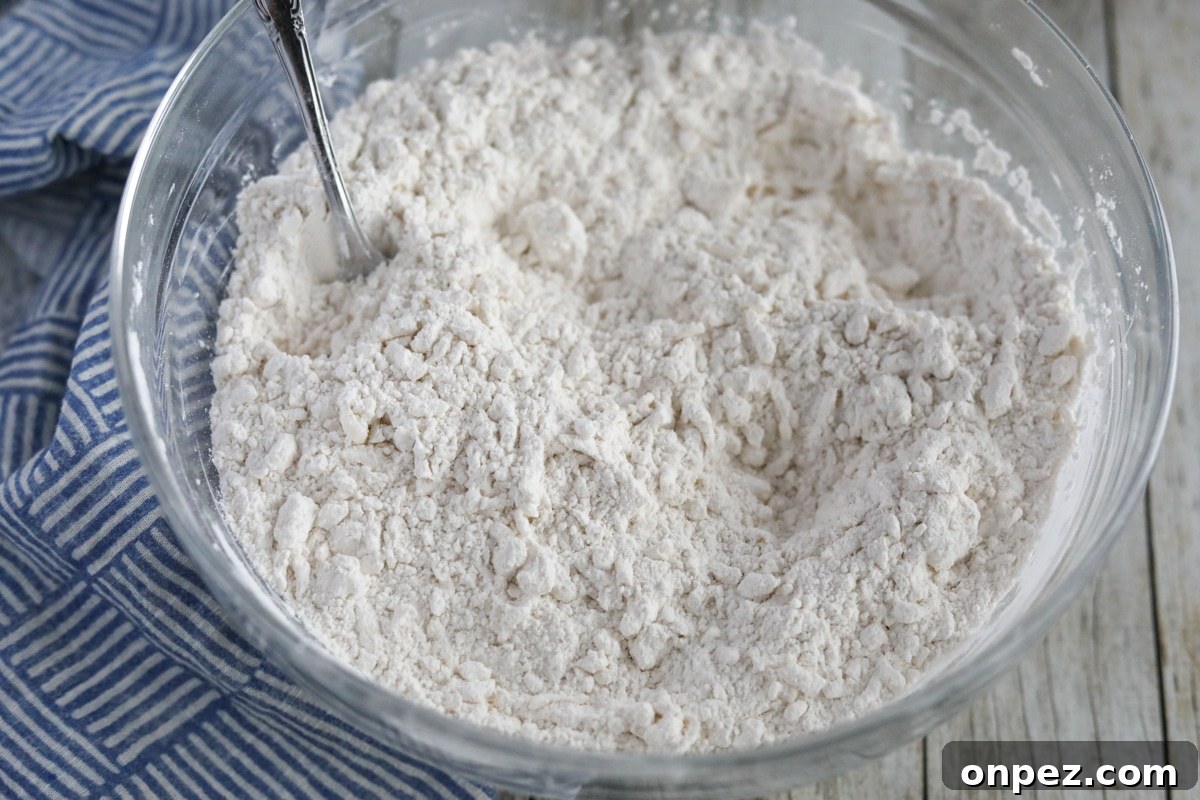
Step 2: Cut the shredded butter into the flour using a metal fork, pastry cutter, or fingers until you have pea-sized crumbs. Return the bowl to the refrigerator for about 10 minutes. If the butter warms while you work, chill the mixture longer or pop it briefly into the freezer so it firms up again.
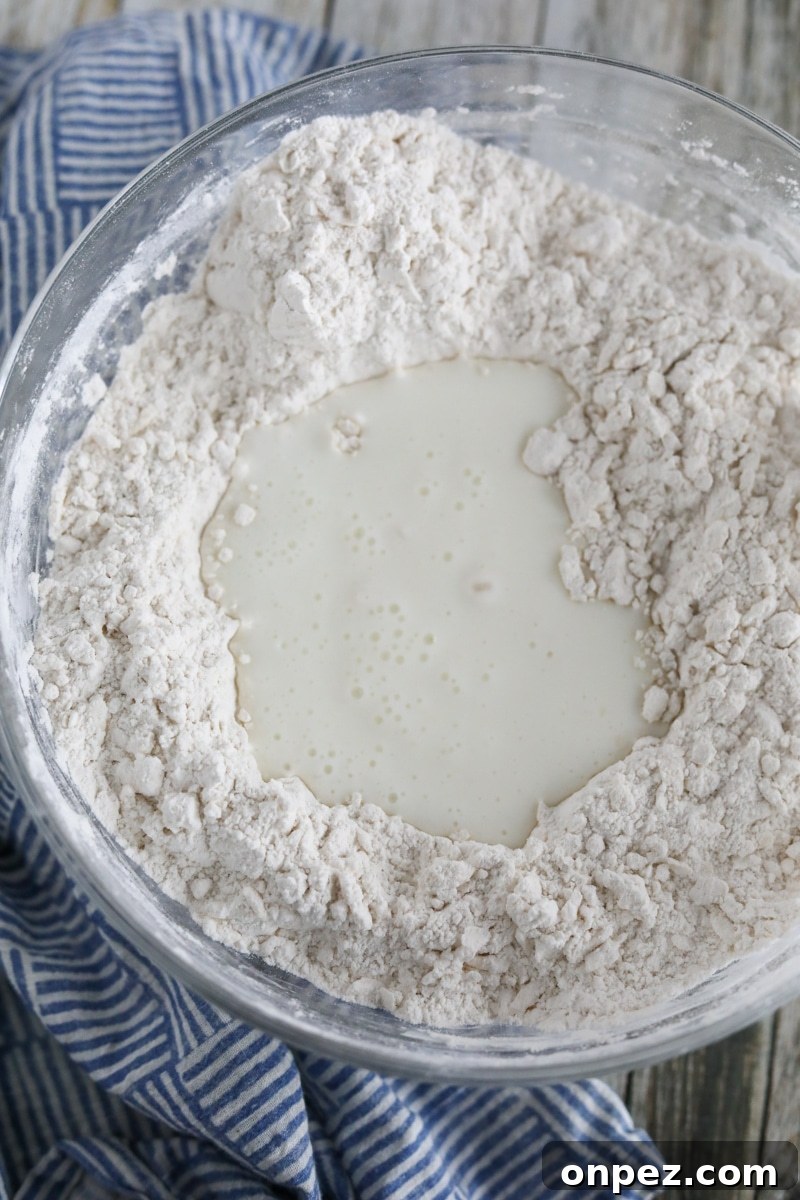
Step 3: Make a well in the center of the flour-butter mixture and pour in the cold buttermilk. If you don’t have buttermilk, mix 1 cup milk with 1 tablespoon lemon juice or vinegar, let it sit 10 minutes, then use as a substitute. Stir the ingredients until they are just combined — small lumps of butter and specks of flour should remain. Overmixing develops gluten and yields tougher, smaller biscuits.
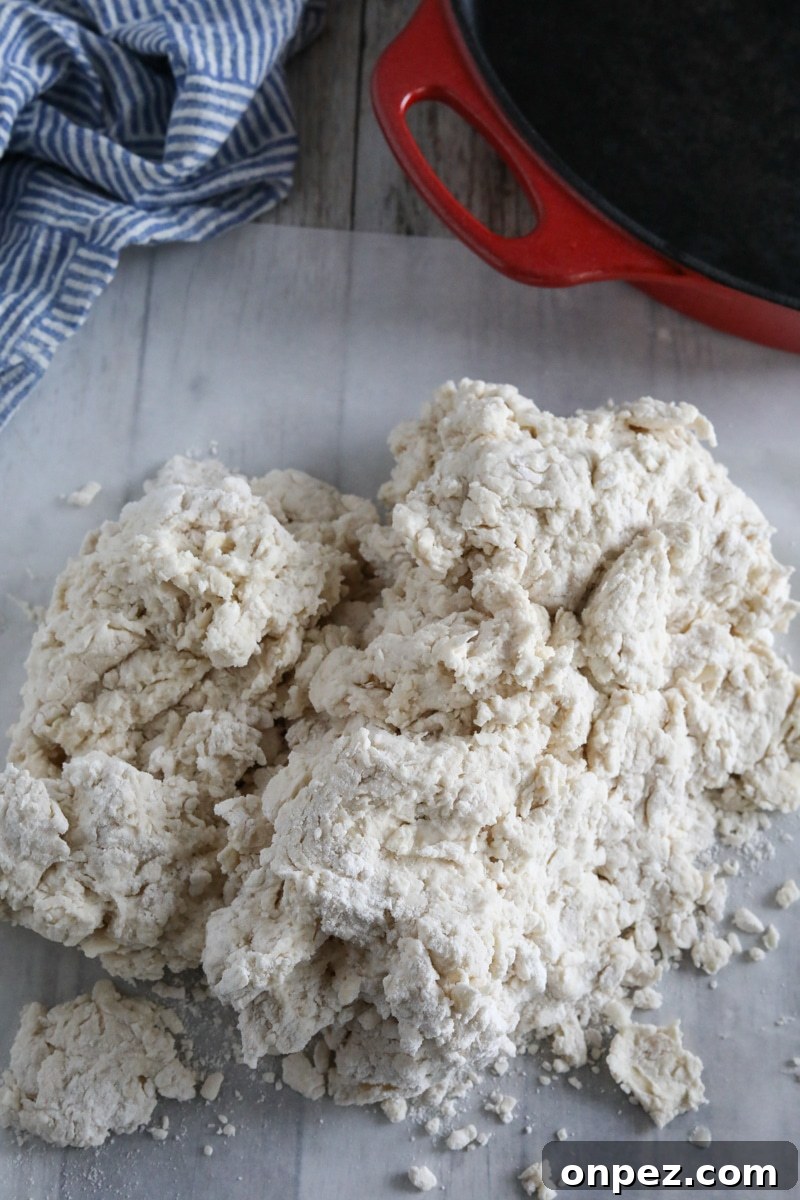
Step 4: Turn the dough onto a lightly floured surface and pat it into a rectangle. Fold one side over the other, press gently, then reshape into a rectangle. Repeat folding 2–3 times to create layers — this is what helps form flaky biscuits.
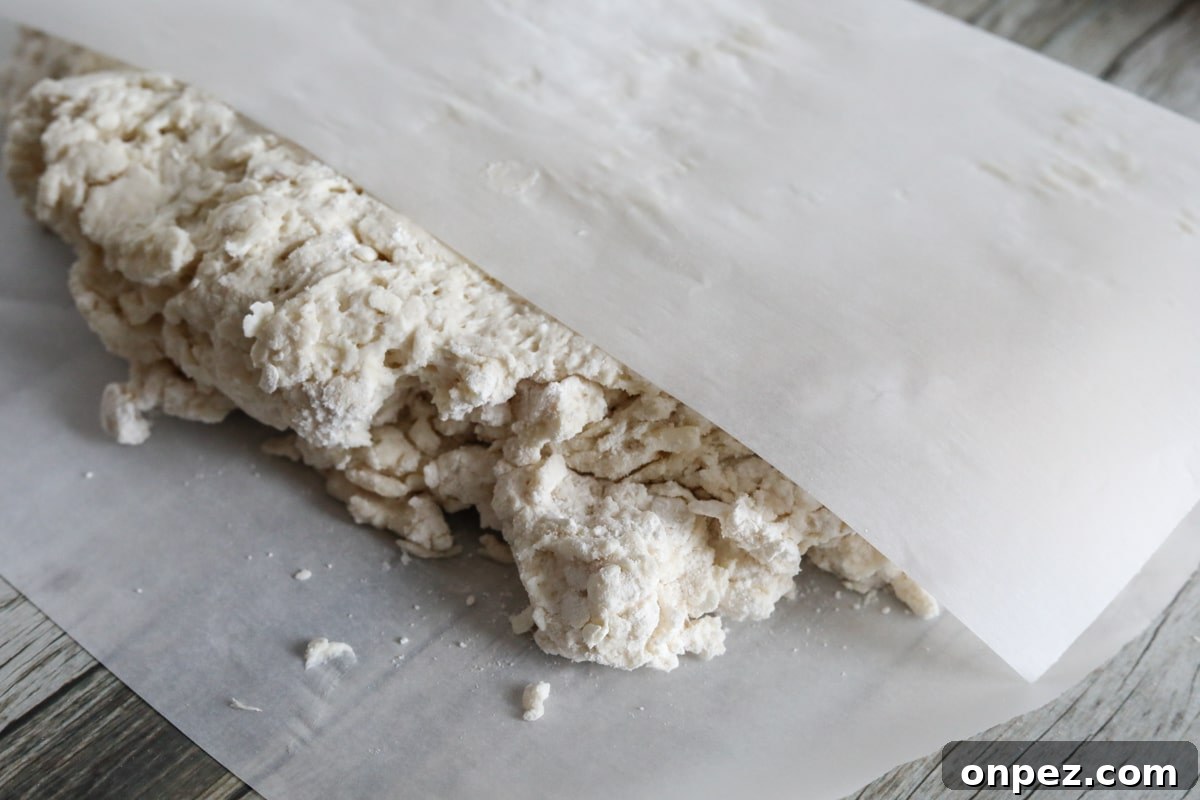
Step 5: Using a lightly floured rolling pin, roll the dough to about 1/2 inch thick. If the dough sticks, dust the rolling pin or dough with a little more flour.
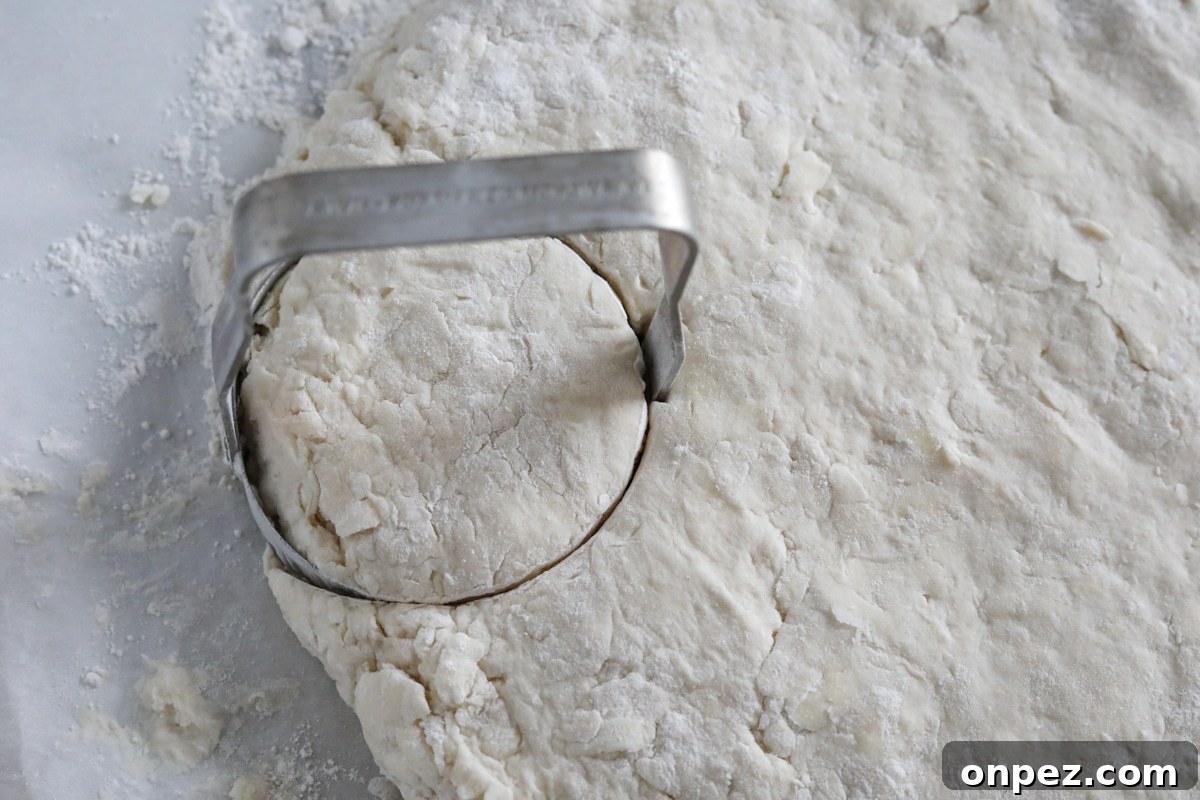
Step 6: Cut biscuits with a biscuit cutter. Do not twist the cutter; twisting seals the edges and prevents the biscuits from rising properly. Gather scraps, flour them lightly, and reroll once to make additional biscuits — these later pieces may be slightly denser but still tasty.
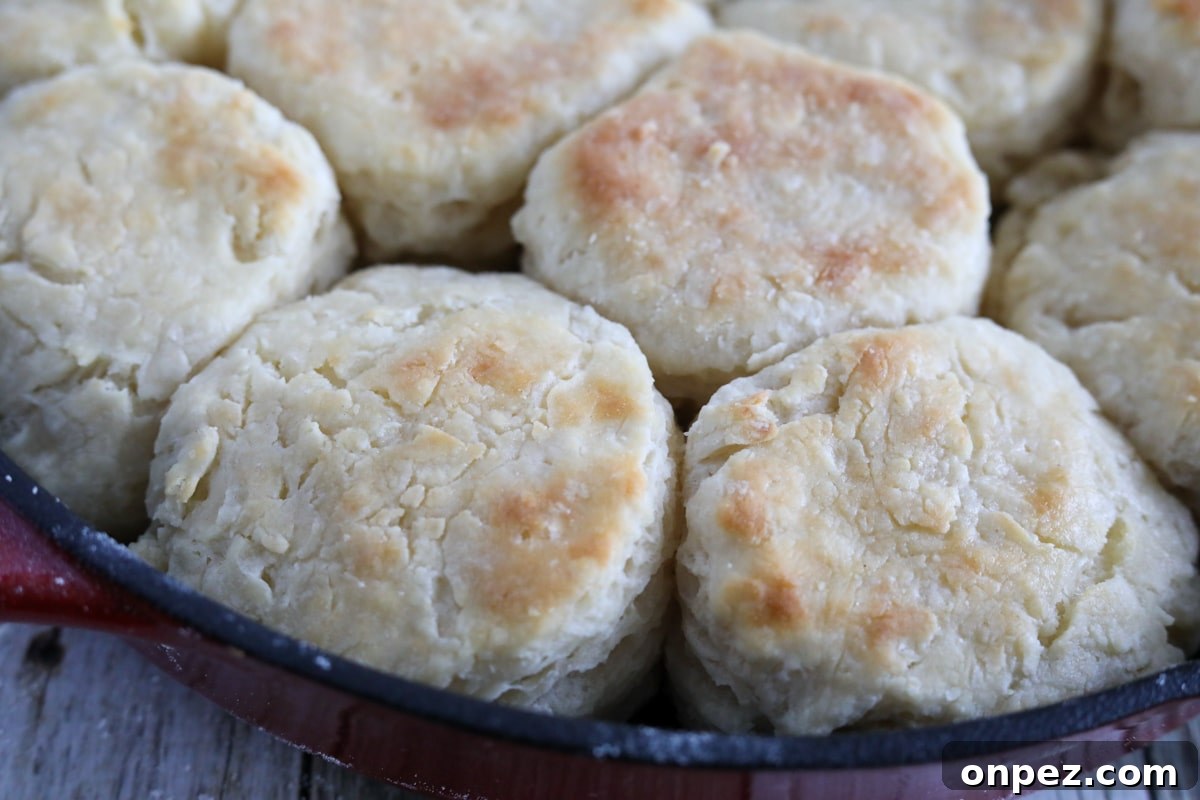
Step 7: Place biscuits in a 12-inch cast-iron skillet or baking pan so the sides touch — this encourages upward rise rather than spreading. Melt 3 tablespoons butter and brush half on the tops before baking. Bake in a preheated 475°F oven for about 15 minutes or until the tops are lightly golden. Remove from the oven and brush with the remaining melted butter. Serve warm.
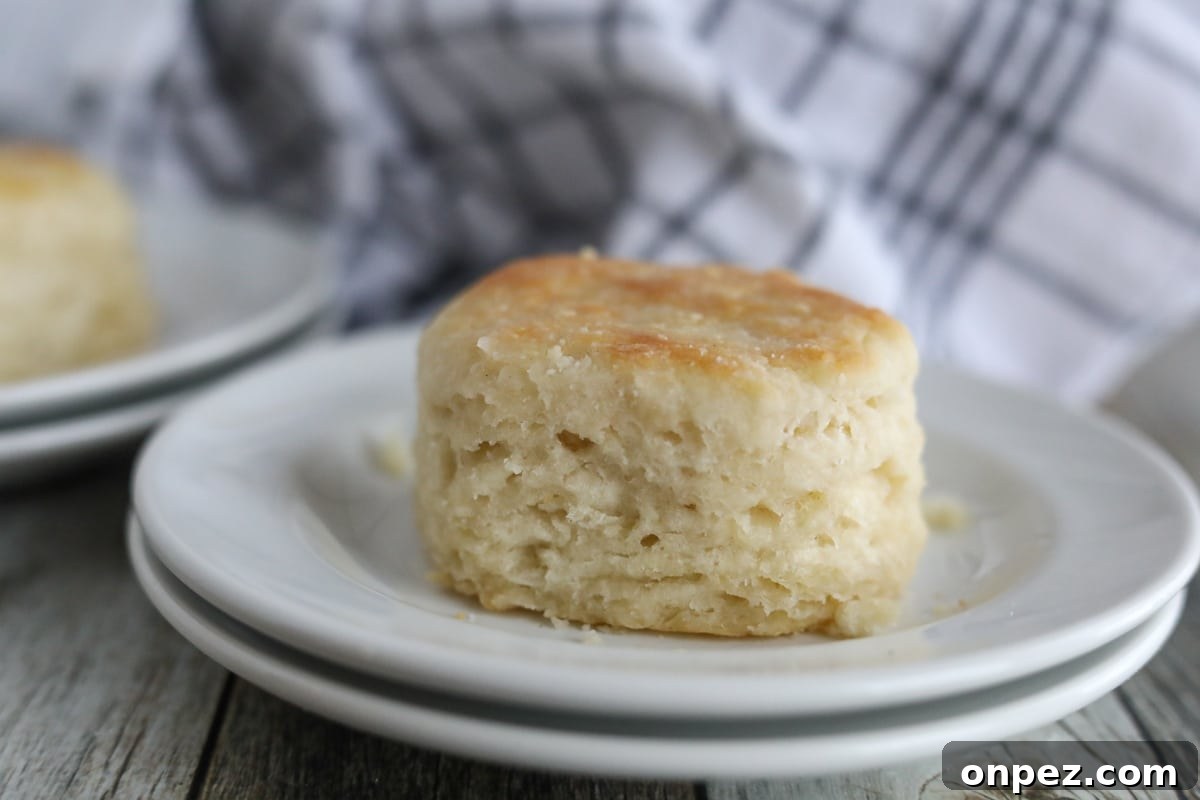
How to store biscuits made from scratch
Store biscuits at room temperature in an airtight container for 1–2 days to keep them soft. Refrigerate in an airtight container for up to one week. For longer storage, freeze biscuits in a freezer-safe container for 2–3 months. You can freeze them unbaked or fully baked. If frozen unbaked, thaw and bake according to directions. To reheat baked biscuits, thaw in the refrigerator if frozen, brush with melted butter, and warm in a 350°F oven until heated through.
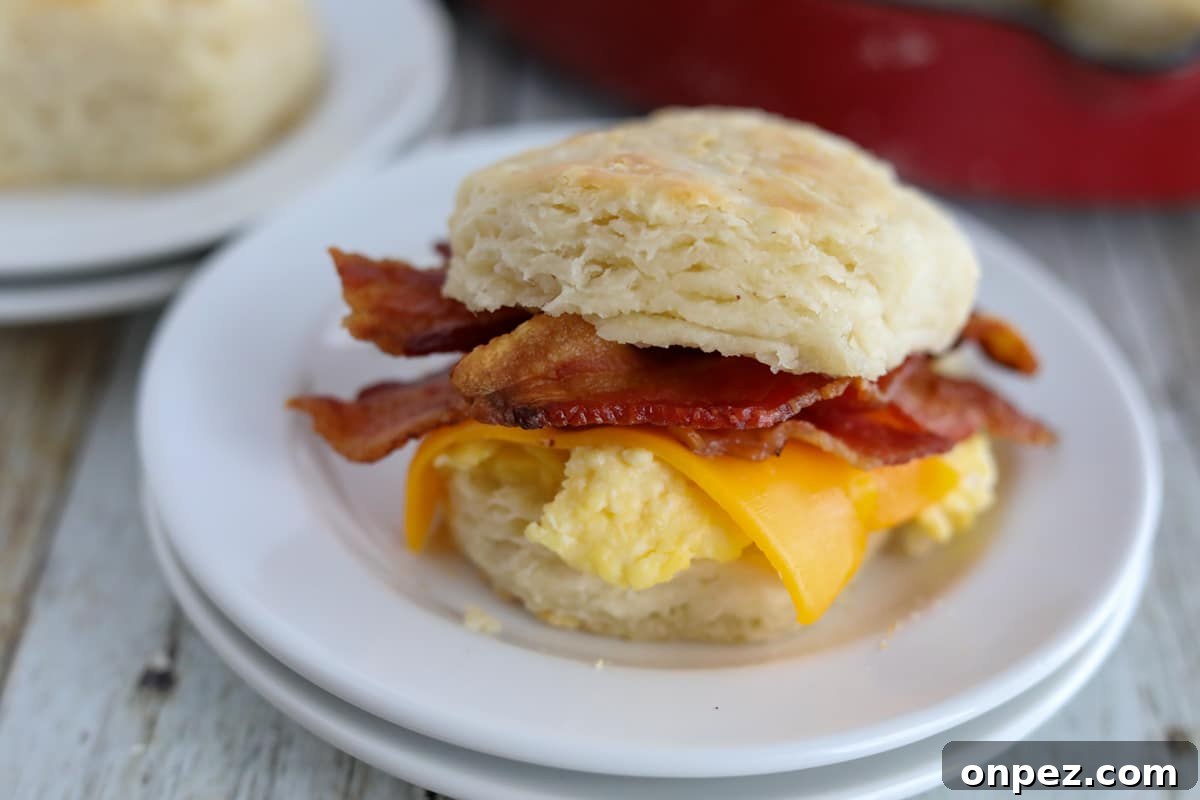
Common biscuit questions
What are biscuits? In North America, biscuits are a soft, tall quick bread made without yeast. Leavening is provided by ingredients like self-rising flour, baking powder, or baking soda. They are similar to dinner rolls but denser and usually cut with a round cutter.
Ways to cut butter into flour
- Food processor — pulse cold butter and flour briefly until crumbly, taking care not to over-process.
- Chop the butter — cut chilled butter into small cubes and mix in with a fork.
- Pastry cutter — use after chopping or grating the butter to reach a breadcrumb texture.
Grating frozen butter is quick and reduces handling, which helps keep the butter cold and creates flakier biscuits.
Why are biscuits crumbly? If the butter pieces are too small, the biscuits can be crumbly. Grating on the large holes preserves larger butter bits and improves texture. Crumbliness affects presentation more than flavor.
Why didn’t my biscuits rise tall?
- Butter was too warm — cold butter traps steam and lifts the biscuit.
- Oven not hot enough — biscuits need a hot oven for rapid steam formation and rise.
- Wrong flour — all-purpose flour needs added leavening; using it instead of self-rising without adjustments can yield dense biscuits.
- Twisting the cutter — avoids a clean vertical edge and prevents proper rising.
Variations to try
- Cheddar and chives — fold shredded sharp cheddar and chopped chives into the dough for savory biscuits.
- Fresh herbs — rosemary, thyme, or cracked black pepper add flavor without overpowering the biscuit.
- Honey butter — brush warm biscuits with honey-infused butter for a sweet finish.
Buttermilk Biscuits from Scratch Recipe
Ingredients
- 2 sticks butter, frozen (for dough)
- 5 cups self-rising flour
- 2 cups + 2 tbsp cold buttermilk
Topping
- 3 tbsp butter, melted
Instructions
- Preheat oven to 475°F. Place the butter in the freezer so it is very cold before grating.
- Grate the frozen butter using the large holes of a box grater into a large bowl and add the self-rising flour.
- Cut the butter into the flour with a fork or pastry cutter until pea-sized crumbs form. Chill the mixture in the fridge for about 10 minutes.
- Make a well in the flour-butter mixture and pour in the cold buttermilk. Stir until just combined — small pieces of butter and specks of flour should remain visible.
- Turn dough onto a floured surface, pat into a rectangle about 1 inch thick, and fold over itself 2–3 times to create layers.
- Roll gently to about 1/2 inch thickness and cut with a biscuit cutter without twisting. Reroll scraps once to make more biscuits.
- Brush biscuit tops with half the melted butter and place them in a 12-inch cast-iron skillet or baking pan with the sides touching.
- Bake 15 minutes or until the tops are lightly golden. Remove from the oven and brush with remaining melted butter. Serve warm.