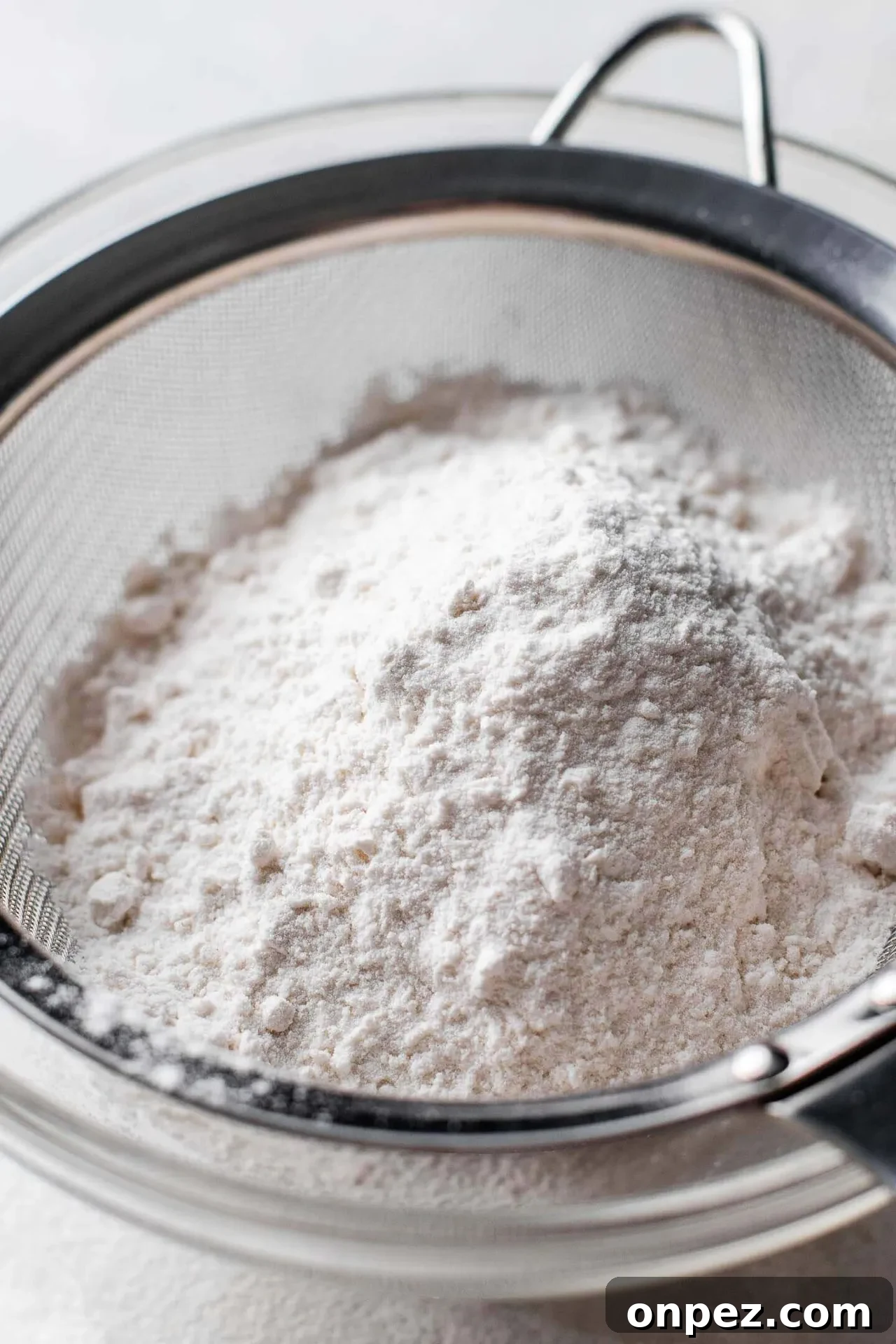
This easy cake and pastry flour substitute can help make cakes, cupcakes, muffins, scones, and pastries lighter, softer, flakier, and more tender. Learn how to make a simple homemade cake and pastry flour substitute with only two basic pantry ingredients.
* This post was updated with new photos
Welcome back to another practical baking basic: how to make cake and pastry flour at home when you do not have any on hand.
If you bake often, you have probably noticed that many cake, cupcake, muffin, scone, and pastry recipes call for cake flour or pastry flour. These softer flours can make a real difference in the texture of delicate baked goods, but they are not always easy to find in every grocery store. Even when they are available, they can be one of those ingredients that never seems to make it into the pantry when you need it most.
The good news is that a homemade cake and pastry flour substitute is very easy to make. You only need all-purpose flour and cornstarch. With a quick measuring adjustment, a little mixing, and a good sift, you can create a lighter flour blend that works beautifully in many recipes that benefit from a softer crumb.
This substitute is especially useful when you want cakes that feel tender instead of dense, cupcakes with a softer bite, or pastries that bake up a little more delicate and flaky. It is a simple baking trick, but it can make your homemade desserts feel more polished and bakery-style.
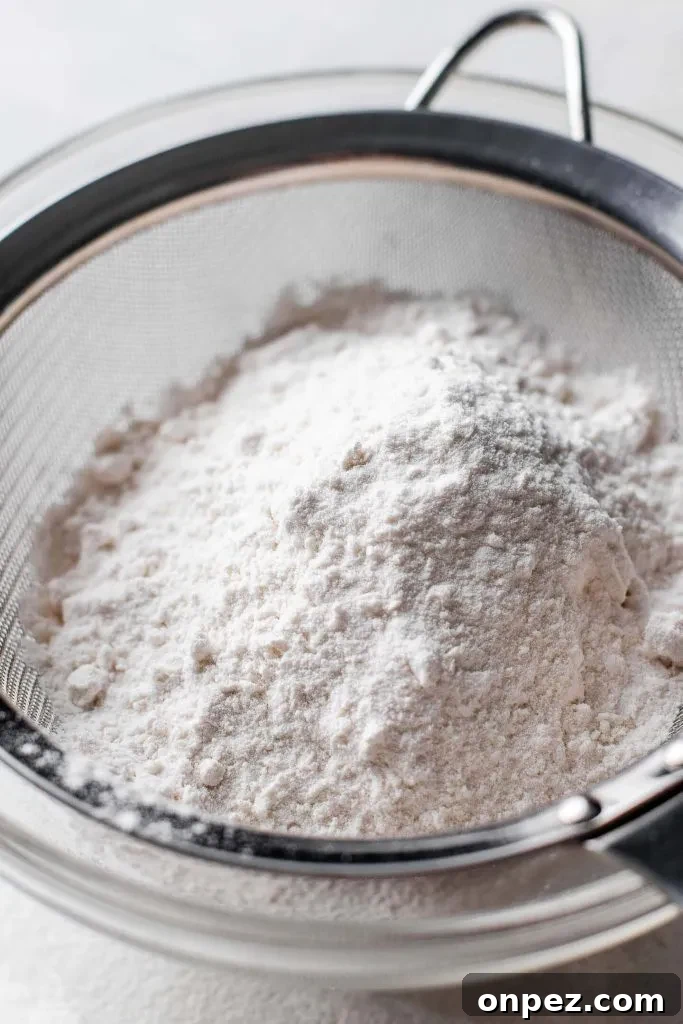
Why cake and pastry flour?
You may be wondering why cake and pastry flour is worth using at all. Can you simply use all-purpose flour instead? In many cases, yes, all-purpose flour will still work. However, cake and pastry flour can improve the final texture of recipes that are meant to be soft, light, and tender.
Cake and pastry flour is finer than regular all-purpose flour and has a lower protein content. Lower protein means less gluten development, which helps reduce heaviness in delicate baked goods. The result is a softer, more tender texture with a lighter crumb.
This is why cake and pastry flour is commonly used in recipes such as layer cakes, cupcakes, muffins, biscuits, scones, pie crusts, and other tender baked treats. When a recipe is designed to be airy, crumbly, flaky, or delicate, using a softer flour can help support that texture.
Cake and pastry flour versus all-purpose flour:
All-purpose flour is a reliable everyday flour, and it can be used in many baking recipes. It has a higher protein content than cake and pastry flour, which makes it more versatile, but also a bit heavier for delicate desserts.
When you use all-purpose flour in a cake or pastry recipe, the result can still be delicious, but the texture may be slightly firmer or denser. Cake and pastry flour helps create a softer structure because it encourages less gluten formation during mixing.
This homemade cake and pastry flour substitute works by replacing a small portion of the all-purpose flour with cornstarch. The cornstarch lightens the flour mixture and helps mimic the softer texture of cake flour. It is not complicated, but it is a helpful method when you want a more tender result without buying a separate bag of flour.
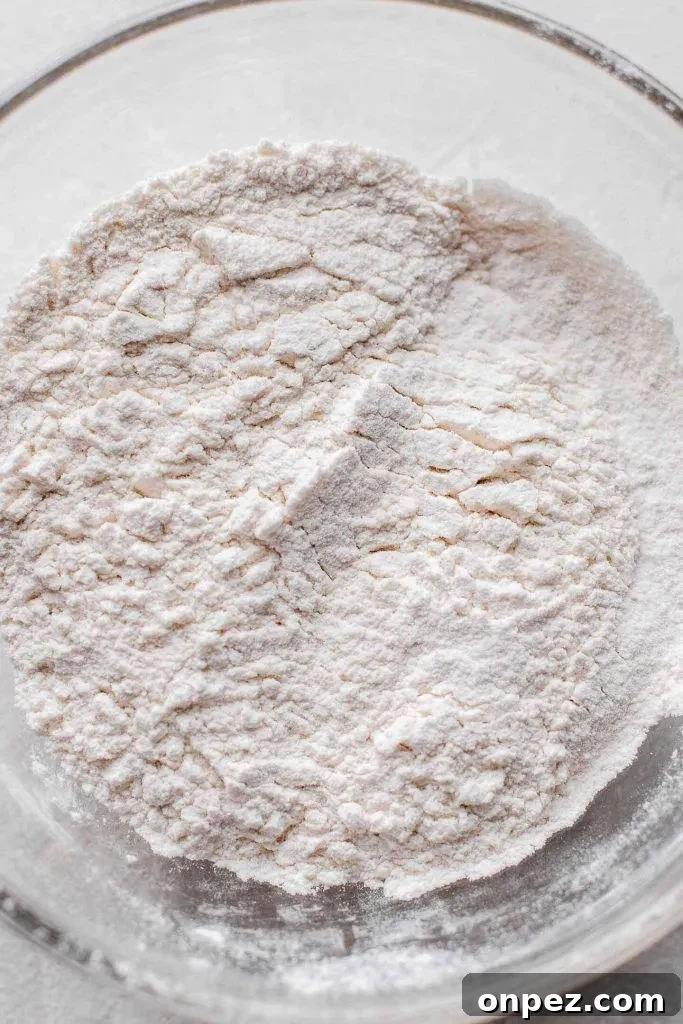
Cake and pastry flour storage:
Homemade cake and pastry flour can be stored the same way you store regular flour. Keep it in an airtight container or a tightly sealed bag in a cool, dry place. A pantry or cupboard away from heat and moisture is ideal.
The flour blend will keep until the earliest best-before date listed on either your all-purpose flour or your cornstarch. Whichever ingredient expires first is the date you should follow. If you make a larger batch, label the container so you know what it is and when it should be used.
You can also freeze flour if needed. If frozen, make sure it is sealed well to protect it from moisture and odors. Before using, let it come back to room temperature and sift it well for the best texture.
Recipes to try with cake and pastry flour:
Marble cake
Blueberry muffins
Funfetti cupcakes
Chocolate chip cookie cake
Pie crust
Vanilla cupcakes
Blueberry scones
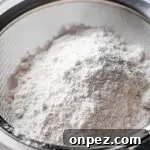
How to Make Cake and Pastry Flour
- Author: Mimi
- Total Time: 5 minutes
- Yield: 1 cup flour
Description
This homemade cake and pastry flour substitute is a quick baking basic made with all-purpose flour and cornstarch. It helps create lighter, softer, and more tender baked goods when a recipe calls for cake flour or pastry flour.
Ingredients
- 1 cup all-purpose flour
- 1 tablespoon cornstarch
Instructions
- Measure 1 cup of all-purpose flour, then remove 1 tablespoon of flour from the cup.
- Add 1 tablespoon of cornstarch to the measured flour.
- Whisk the flour and cornstarch together until evenly combined.
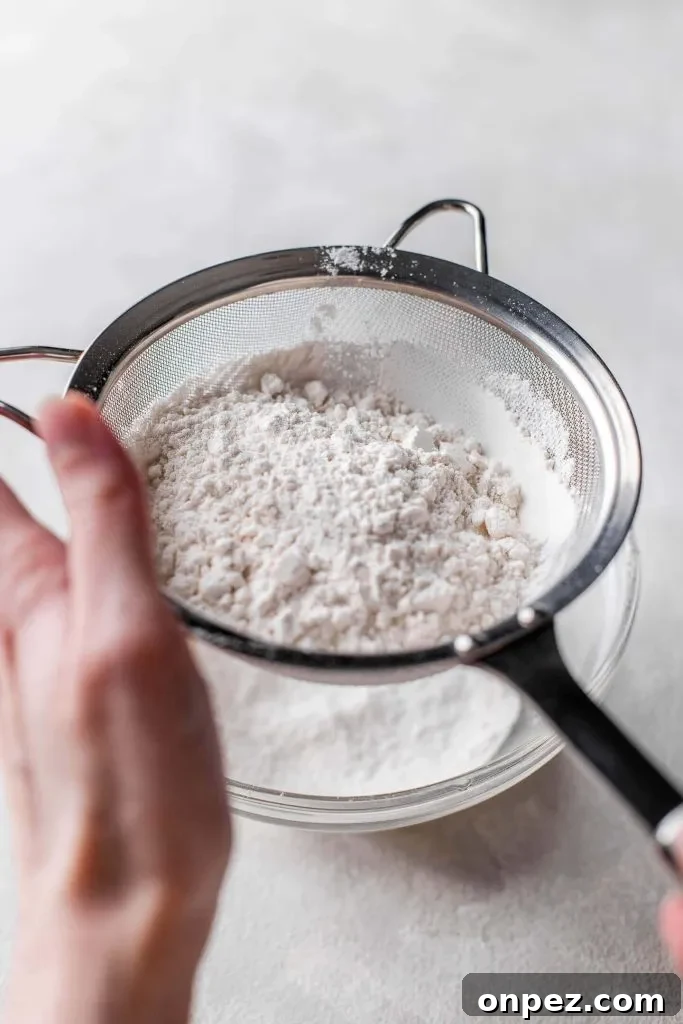
- Sift the mixture before using for the lightest and finest texture.
Equipment
Fine mesh strainer
Helpful for sifting the flour mixture
Mixing bowl
Useful for combining the ingredients evenly
Notes
* For the best results, sift the cake and pastry flour substitute before adding it to your recipe. Sifting helps aerate the mixture and gives it a finer texture.
* Store this flour blend in an airtight container in a cool, dry place. Use it before the best-before date of whichever ingredient expires first.
* This substitute is especially useful for cakes, cupcakes, muffins, scones, pie crusts, and pastries where a tender texture is important.
- Prep Time: 5 minutes
- Category: Basics
Enjoy!