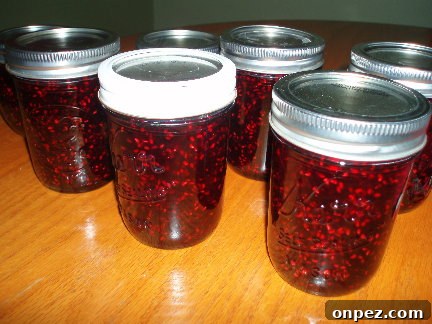
Recently I had the pleasure of interviewing Lizann Powers-Hammond, Regional Specialist for Washington State University Benton County Extension, about the Master Food Preserver Program. Lizann is a true expert: she holds a BA in Vocational Home Economics, a BS in Human Nutrition, an MS in Home Economics with a Human Nutrition option, and she is currently pursuing an EdD. She has taught the Master Food Preserver Program for 23 years and has played a key role in updating the curriculum to meet current safety standards. Having taken her course myself, I can attest that she is knowledgeable, engaging, and deeply passionate about food preservation.
What is the Master Food Preserver Program?
LPH: The Master Food Preserver Program is an Extension volunteer outreach education initiative, similar in structure to 4-H and Master Gardener programs. While many people associate it primarily with canning, the program covers a broader range of topics: safe food handling, home food preservation techniques, and basic food processing principles. Volunteers are trained to share evidence-based information with the public, helping their communities preserve food safely.
How and when did the Master Food Preserver Program start?
LPH: The program grew out of the success of the Master Gardener model in Washington State. In the mid-1970s, many people were actively preserving food at home, and county extension offices responded. King County offered the first formal training in 1976, followed by Yakima County, and the idea spread quickly. Over the decades the program expanded across the state, driven by local interest and Extension support.
In recent years, the number of courses offered has declined in some areas. That drop is mainly due to staffing changes: as Extension specialists retire, some positions remain unfilled, which reduces local training capacity. Despite this, the underlying need for food preservation education persists and interest is resurging in many communities.
Is the Master Food Preserver Program offered in other states?
LPH: Yes. Several states either maintain active Master Food Preserver programs or are reviving similar initiatives because of renewed interest in home food preservation. Many programs use materials developed in Washington, though some states operate under different names such as Food Safety Advisors or Family Food Educators. Although program names, registration fees, and volunteer hour requirements vary, the core objective remains the same: to provide reliable, research-based food safety and preservation education.
(Editor’s note: Programs similar to Master Food Preserver exist in many states. While specific details differ by state, prospective volunteers and learners can contact their local extension office to learn about training schedules, costs, and volunteer commitments.)
What do you see as the biggest benefit of the Program?
LPH: The program creates multipliers—trained volunteers who share accurate information within their social networks. Each volunteer reaches family members, friends, community groups, and neighbors, amplifying the program’s impact. This informal outreach complements formal education by bringing practical, research-based practices into everyday kitchens. Equally important is watching volunteers grow: the training builds confidence and transforms participants into citizen scientists who can teach others about safe preservation and handling practices.
What do you recommend for people who don’t have access to the Master Food Preserver Program?
LPH: When local training isn’t available, it’s crucial to rely on trustworthy, research-based sources. Accurate information can be found through national home preservation resources and reputable equipment manufacturers that publish tested recipes and guidelines. Your county extension office is another reliable point of contact for local advice. Be wary of unverified online recipes or techniques—anyone can post content, and not all information is safe. Check the author’s credentials and prioritize instructions that reference scientific testing and food safety standards. Finally, remember that past success with a recipe doesn’t guarantee safety; safe preservation depends on proper processing and up-to-date practices.
What is the main thing you would like people to know about food preservation?
LPH: A sealed jar is not automatically a safe jar. In home food preservation, proper processing is what makes the food safe; the seal helps keep it safe afterward. You cannot judge safety by appearance alone. Following tested procedures for processing time, temperature, and acidity is essential. Even when jars appear properly sealed, the contents may not be safe unless they were processed correctly.
Join us later in the week when Lizann and I discuss the upcoming Master Food Preserver training in Benton County and share details about registration, course content, and volunteer commitments.