Nordic cuisine has undergone a dramatic transformation over the past two decades. The New Nordic Cuisine movement put a spotlight on ingredients native to the northern climate and shifted perceptions of Scandinavian food from familiar comfort dishes into a diverse, modern culinary landscape.
Where Scandinavian food was once associated primarily with meatballs, pickled herring and lingonberry jam, it is now celebrated for seasonal vegetables, wild berries, whole grains, locally sourced meat, game and an abundance of fish from cold waters.
The Origins of the New Nordic Kitchen Manifesto
In 2004 two Danish visionaries, Claus Meyer and Jan Krag Jacobsen, rallied a group of Scandinavian chefs to redefine the region’s food culture. Their goal was not to dictate recipes but to set principles that would honor local taste, seasonality and ethical production. The resulting New Nordic Kitchen Manifesto emphasizes purity, freshness, simplicity and responsible sourcing. It champions seasonal cooking rooted in the characteristics of northern landscapes, seas and climates, and it calls for collaboration among chefs, producers, researchers and communities to raise awareness and quality across the region.
The Aims of the New Nordic Kitchen
To express the purity, freshness, simplicity and ethics we wish to associate to our region.
To reflect the changes of the seasons in the meals we make.
To base our cooking on ingredients and produce whose characteristics are particularly found in our climates, landscapes and waters.
To combine the demand for good taste with modern knowledge of health and well-being.
To promote Nordic products and the variety of Nordic producers and to spread the word about their underlying cultures.
To promote animal welfare and a sound production process on our land and in our seas.
To develop new applications of traditional Nordic food products.
To combine the best in Nordic cookery with meaningful inspirations from abroad.
To balance local self-sufficiency with regional sharing of high-quality products.
To join forces with producers, retailers, researchers, teachers and authorities for the benefit of everyone in the Nordic countries.
The Nordic Diet as a Healthy Alternative
The manifesto fueled a renaissance in restaurants across Scandinavia and helped highlight the health benefits of a diet based on northern ingredients. While the Mediterranean diet has been widely praised, the Nordic diet is a climate-appropriate alternative that emphasizes plant-based foods, whole grains and fatty fish, but with a stronger role for nutrient-dense root vegetables and hardy greens that thrive in cold climates. The Nordic approach supports sustainability, seasonal eating and environmental awareness—values increasingly embraced by home cooks around the world.
Foods Included in the Nordic Diet
The Nordic diet draws on ingredients that grow and are foraged in the region. Below is an overview of core categories and examples of dishes that showcase each.
Root Vegetables and Tubers
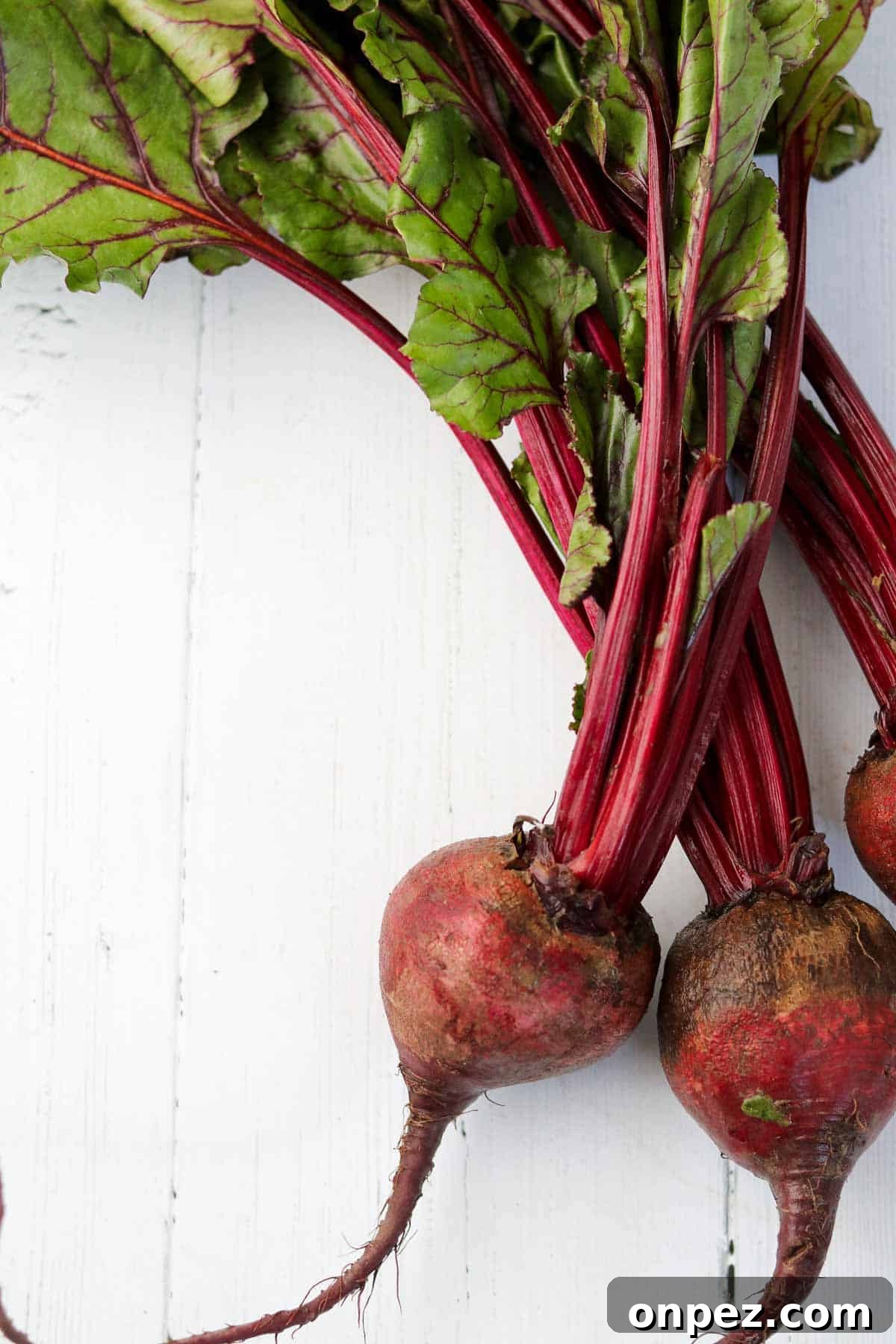
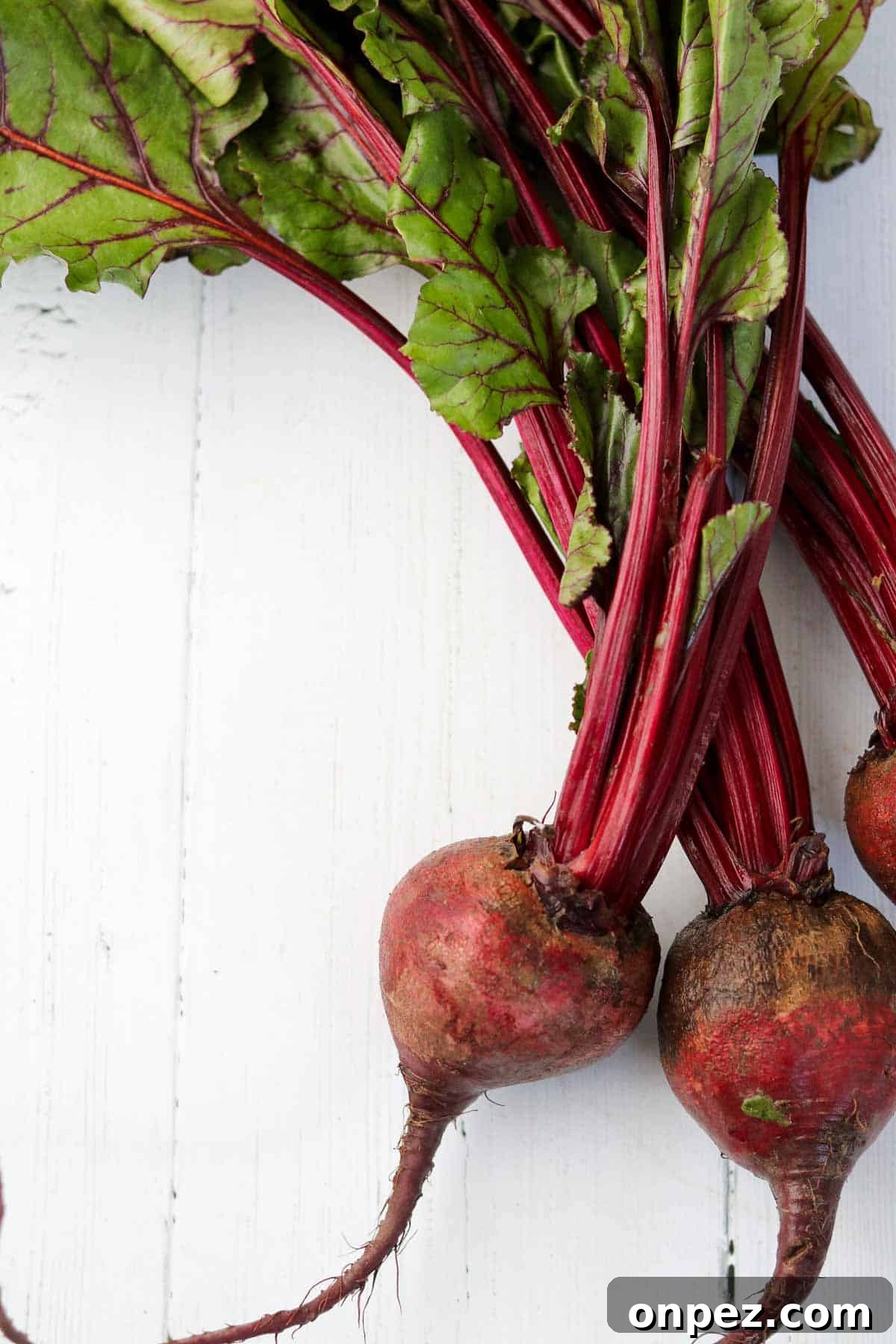
Beets, carrots, celery root, parsnips, rutabaga, turnips and potatoes are staples. New potatoes are prized in summer and root vegetables are celebrated roasted, pickled, mashed or baked into hearty dishes.

Cruciferous Vegetables and Hearty Greens
Brussels sprouts, cauliflower, broccoli, cabbage and dark leafy greens like kale, spinach and chard appear across Nordic plates—often roasted, steamed, braised or combined into salads and soups.

Mushrooms
Foraging is a beloved tradition in the Nordic countries, and wild mushrooms frequently appear in season. They are used in soups, gratins, open sandwiches and hearty grain dishes.

Other Seasonal Vegetables
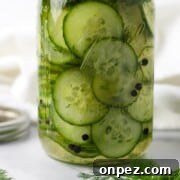
Despite a short growing season, Nordic summers bring an abundance of tender greens, asparagus, nettles, cucumbers and zucchini that are quickly transformed into salads, soups and light mains.
Whole Grains
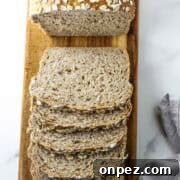
Rye bread is a defining Nordic staple, and barley, spelt and oats also play large roles. Whole grains appear as breads, porridges, salads and hearty grain bowls that provide texture and nutrition.
Fish and seafood
With long coastlines and many lakes, Nordic diets include abundant seafood: salmon, cod, herring, shrimp and mackerel are common and are enjoyed smoked, pickled, roasted or simply prepared with fresh herbs and citrus.

Wild game
Reindeer, moose and other game animals are more common in Nordic kitchens than in many other cultures. Game is used thoughtfully and often balances seasonal seafood and farmed meat in traditional menus.
Berries and Other Seasonal Fruit
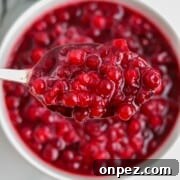
Wild blueberries, raspberries, blackberries, cloudberries and lingonberries are central to Nordic desserts, sauces and preserves. Apples, pears and rhubarb also feature prominently in autumn and spring preparations.
Rapeseed (Canola) Oil
Unlike Mediterranean kitchens that rely on olive oil, Nordic cooking often uses neutral, locally produced rapeseed (canola) oil for frying and dressings—an ingredient suited to the regional palate.
Cultured Dairy Products
Fermented dairy such as filmjölk and skyr are common at breakfast or used as bases for sauces and desserts. These cultured products are rich, tangy and versatile.
Pickled foods
Pickling extends the shelf life of seasonal produce and is a time-honored technique across the north. Quick pickles and fermented vegetables add acidity and texture to many meals.
Legumes
Dried peas, lentils, beans and chickpeas are used in soups, stews, salads and spreads, reflecting the region’s preference for filling, plant-forward dishes that carry well through colder months.
Fresh herbs and exotic spices
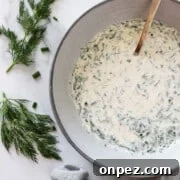
Dill is a Nordic signature, but parsley, thyme, tarragon and rosemary all appear frequently. Historic trade and travel also introduced spices such as cardamom, cinnamon and warm baking spices, now integral to Scandinavian baking traditions.

Simplicity and Lagom in the Kitchen
Nordic cooking often emphasizes simplicity, balance and convivial meals served family style. Concepts like hygge encourage cooking and sharing intimate meals at home, while lagom—“just the right amount”—promotes moderation and balance in food choices. Rather than eliminating entire ingredients, Nordic food culture typically aims for a measured approach that allows nutritious everyday eating alongside occasional indulgences, such as the Swedish tradition of fika: a daily coffee break with a baked treat.
The recipes and ideas shared here aim to bring New Nordic principles into the home kitchen: seasonal, sustainable and approachable cooking that highlights natural flavors. Whether you want to experiment with roasted root vegetables, hearty whole-grain breads, wild berry desserts or simple seafood preparations, the New Nordic Kitchen offers inspiring, practical ways to celebrate cold-climate ingredients and timeless culinary traditions.