Today I decided to follow recipes written by other cooks. I am not usually a strict recipe follower — I tend to add a dash of one thing, omit a smidgen of another, and adjust flavors to suit my palate. That habit is why I find cooking competitions and shows so fascinating: everyone brings a different background and preference to a dish, and that variety is part of the joy of food.
Earlier this week I asked readers on social media what the strangest thing they had ever eaten was. Responses included oxtail, alligator, turtle, pigs’ ears, snails and other unusual items. I’ve tried a few unusual things myself, including silkworms while I was stationed in Korea, where vendors roasted them in pushcarts and children popped them like peanuts. I gave them a try but never became a fan.
Foie gras is another food I’ve sampled many times. On occasion it has been tolerable, but I’ve never fallen in love with it. I don’t find it irresistible the way some people describe.
With that in mind, please remember taste is personal. When I describe the recipes I tried, take my impressions as one cook’s viewpoint. You may love the original version; that’s the point of experimenting in the kitchen — learning techniques and adapting recipes so they work for your own preferences.
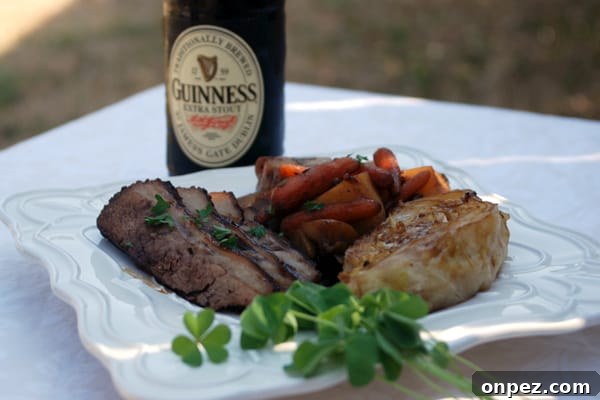
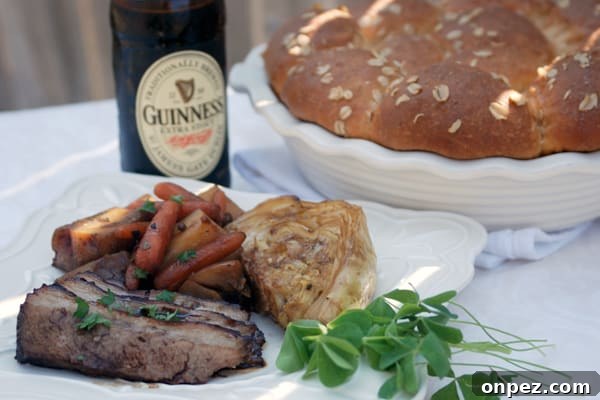
My first experiment was a Guinness corned beef recipe from a well-known food site. The recipe looked ideal for St. Patrick’s Day, especially because I enjoy the flavor of Guinness. I followed the instructions for the most part, although I used a larger pot than recommended and ended up using three bottles of Guinness instead of two. I also substituted oil for bacon fat because that’s what I had on hand.
The corned beef itself turned out tender and easy to slice, and the vegetables were cooked to a pleasing texture. However, I found the overall flavor underwhelming. When I tasted the cabbage I realized the recipe did not call for salt or pepper in the braising liquid; it used only pickling spice. For my next attempt I would use bacon fat, increase the pickling spice, and add some basic seasoning — salt, black pepper — along with a splash of vinegar and maybe a dash of Worcestershire to deepen the flavor. Those adjustments would bring the dish closer to what I prefer while keeping the technique intact.
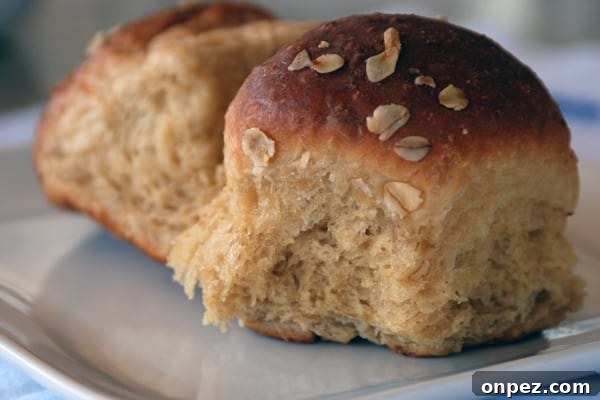
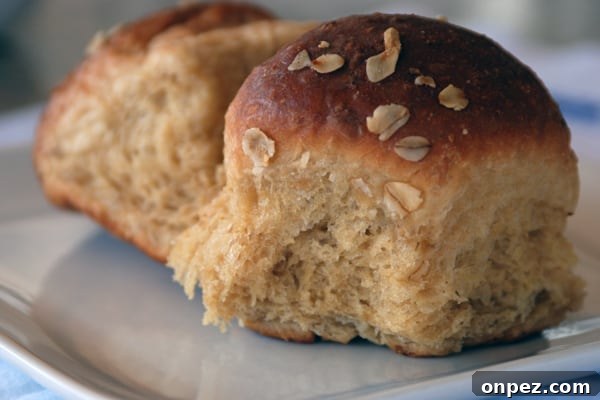
For my second recipe I tried a reader-recommended batch of oatmeal molasses rolls. I used fresh cake yeast, which I prefer to dry yeast, and followed the method closely. The recipe mentions using a stand mixer with a dough hook; that detail is easy to miss unless you view the original slideshow, but it makes a difference in mixing and kneading the dough.
I weighed all the ingredients so I could replicate the results precisely next time. The rolls were excellent — tender, light, and richly flavored without being heavy. The molasses imparts a warm, complex note while the oats add texture and a hearty character. The subtle yeast aroma comes through, and the crumb remains soft even with the molasses and oats combined. These truly live up to their “heavenly” description.
Below I include a clear, distilled version of the oatmeal molasses rolls recipe and the method I used. I have removed interactive elements and extraneous site code so the recipe reads cleanly and is easy to follow.
Oatmeal Molasses Rolls
Servings: 9–12 rolls
Ingredients
- 20 grams fresh cake yeast
- ¼ cup lukewarm water
- 1 stick (about 113 grams) butter, cut into cubes
- ¾ cup milk
- 1 tablespoon dark brown sugar
- 60 grams rolled oats
- 2 tablespoons molasses
- 2 teaspoons salt
- 1 egg
- 275 grams all-purpose flour
- 2–3 tablespoons melted butter for brushing tops
Instructions
- In a small bowl, dissolve the fresh yeast in the ¼ cup lukewarm water with a pinch of sugar. Let it sit until bubbly, about 5–10 minutes.
- Place the cubed butter in the bowl of a stand mixer. In a small saucepan, scald the milk (heat until it is just below boiling) and pour it over the butter. Allow the butter to melt.
- Stir in the brown sugar, rolled oats, molasses and salt. Mix thoroughly and cool the mixture to lukewarm. Add the egg and mix until combined.
- Pour the dissolved yeast into the oat mixture and blend on low speed. Add the flour gradually. Start mixing slowly, then increase the speed and knead for about 6–8 minutes until the dough is smooth but slightly sticky. Let the dough rest for 10 minutes.
- Cover the bowl with plastic wrap and refrigerate for at least two hours; overnight is also fine and can improve flavor and handling.
- Turn the chilled dough onto a floured surface. Divide the dough into 9 to 12 pieces depending on your preferred roll size. Shape each piece into a smooth ball and place seam-side down in a well-buttered 9-inch round pan.
- Brush the tops of the rolls with 1–2 tablespoons of melted butter and sprinkle a few oats on top if desired. Let the rolls rise in a warm place until doubled in size, about two hours.
- Preheat the oven to 350°F (175°C). Bake the rolls 35–40 minutes, or until they are golden brown and sound hollow when tapped. Brush again with melted butter immediately after removing from the oven for a glossy, tender crust.
These rolls keep well for a day or two if stored in an airtight container and warm up nicely in a low oven. The molasses and oats produce a wholesome, comforting flavor that pairs well with butter, jam or savory spreads.
Overall, trying other cooks’ recipes taught me two things: a useful technique for braising and seasoning a traditional corned beef, and a dependable, delightful method for rich, tender molasses rolls. Both experiments are reminders that following a recipe can be an excellent way to learn new skills, while thoughtful adjustments will help you make each dish your own.