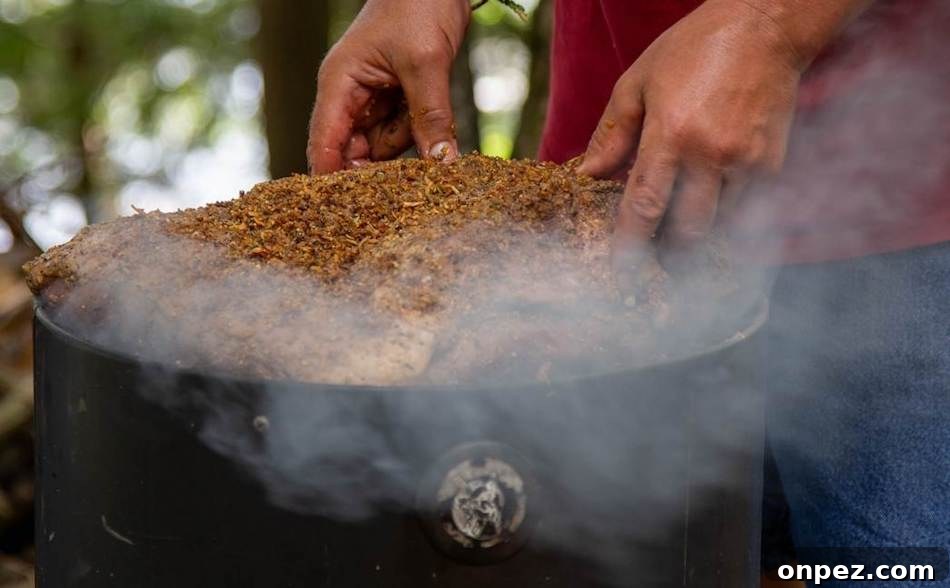
The final stage of cooking a brisket is crucial. Pull it too early and the meat will be chewy; leave it too long and it will dry out. Learning to read the meat and use temperature as a guide will improve every cook.
Signs Your Brisket Is Done
Perfect brisket doneness comes from experience. Rather than relying on a single measurement, combine temperature readings with visual and tactile cues.
- Internal temperature between 195°F and 205°F.
- A gentle jiggle when you lift the brisket or a slice.
- A probe or toothpick should slide in with almost no resistance—like inserting into butter.
Time And Temperature vs Look and Feel
Top pitmasters often make decisions based on look and feel more than strict cook times. Thermometers are essential tools, but they don’t tell the whole story. Use time and temperature as a framework, and confirm doneness by checking color, texture, and how the meat responds to a probe.
What To Look For
When deciding whether a brisket is finished, evaluate these factors together:
- Color — a deep, dark bark is normal after extended smoking.
- Tenderness — the meat should yield easily to a probe or toothpick.
- Internal temperature — typically between 195°F and 205°F for ideal tenderness.
- Total cook time — useful for planning, but variable by cut and smoker.
What’s The Best Internal Temperature?
Internal temperature is a helpful indicator but not the only one. Brisket can reach ideal tenderness anywhere from about 195°F up to 210°F. Many pitmasters aim near 200°F, with some preferring 203°F as a target. A good approach is to start checking tenderness in the high 190s; if the meat is tender at 195°F, it’s fine to pull. If it still resists, continue cooking and test again rather than relying solely on a set temperature.
Monitor The Color
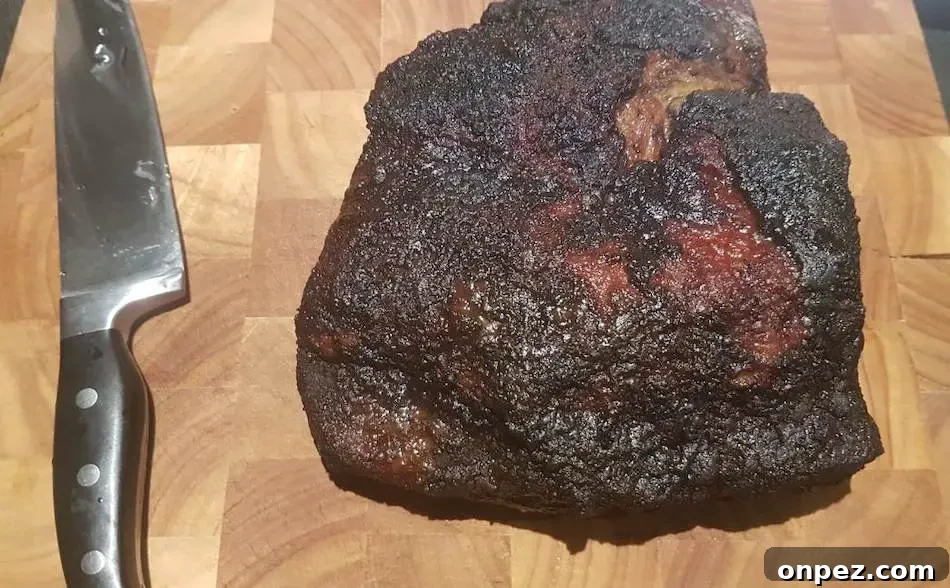
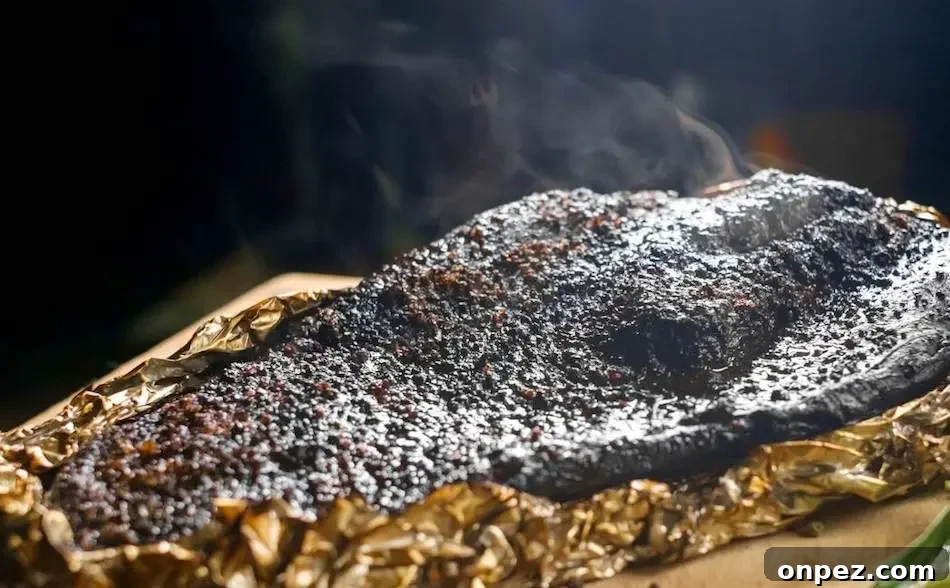
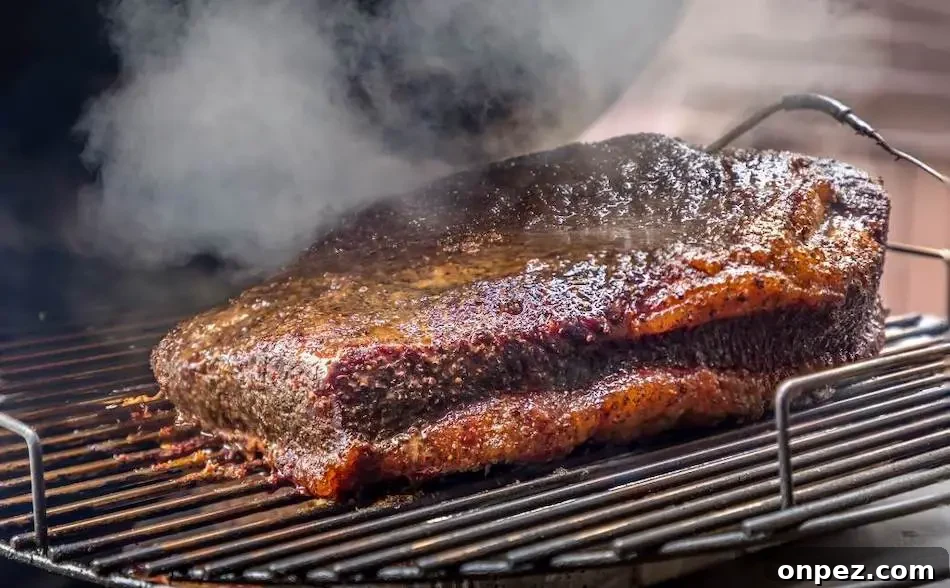
After hours in the smoker a brisket should develop a dark, well-formed bark. It may look almost black; that’s normal and desirable—this crust holds much of the smoke flavor and texture.
Go By Feel
The toothpick or probe test is one of the simplest ways to judge tenderness. If a toothpick or a thermometer probe slides into the meat with almost no resistance, the brisket is likely done. Use multiple checks across the flat and point—brisket cooks unevenly.
How To Test For Tenderness
Begin checking when the meat approaches 190°F. Expect some resistance at first. As the cook progresses toward 200°F, resistance should decrease. Probe several locations and note how freely the probe moves; that tells you more than any single temperature reading.
The Jiggle Test
Lift a slice or the whole brisket and observe the movement. A properly cooked brisket will have a slight jiggle, indicating tenderness and retained moisture. If it’s stiff, it needs more time. Look for juices still clinging to the meat rather than pooling on the cutting board.
The Pull Test
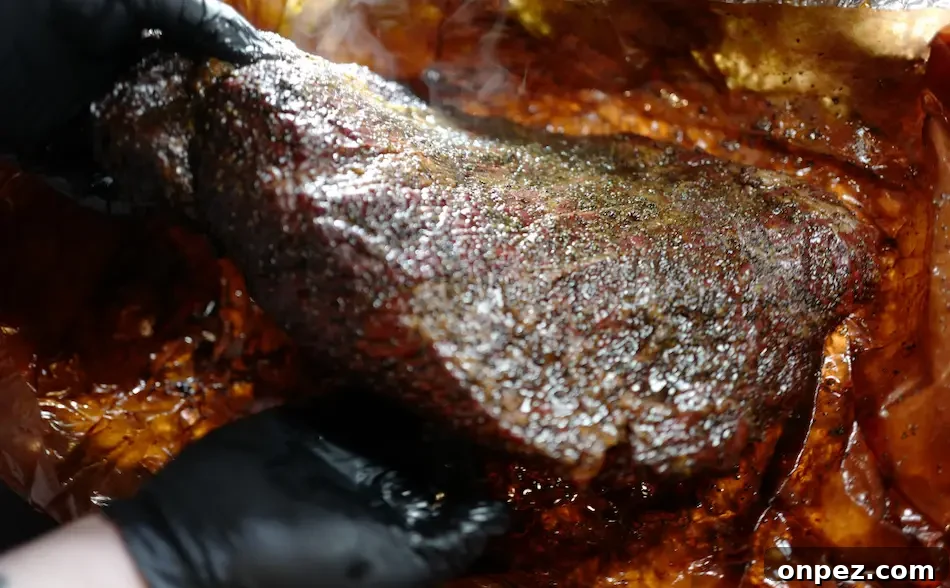
A finished brisket should pull apart easily yet still hold together under its own weight. The meat should come apart cleanly without collapsing into mush—this balance indicates proper collagen breakdown into gelatin.
What if You Pull Brisket Too Early?
Although food-safety guidelines set lower safe temperatures for beef, brisket requires extended low-and-slow cooking to break down connective tissue into gelatin. Removing it too early—at temperatures like 145°F—will leave the brisket tough and elastic. For tender results, allow collagen to convert, which typically happens in the higher temperature range discussed above.
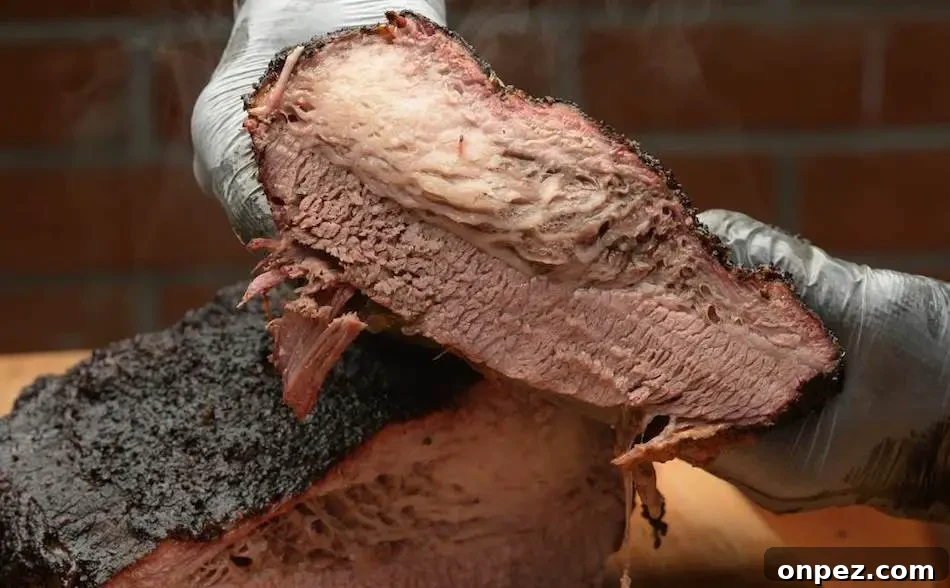
When Does Aaron Franklin Pull Brisket?
As a guide, Aaron Franklin estimates about 1 hour and 15 minutes per pound when cooking at 250°F. That gives a useful planning estimate—an 8 lb brisket would be roughly a 10-hour cook at 250°F. At lower temperatures like 225°F, expect longer cooks, perhaps around 12 hours for the same size. These are guidelines; every brisket and setup varies.
Using Instant-Read Thermometers
In the final hours an instant-read thermometer is indispensable. A leave-in probe gives a continuous read, but brisket can vary across the cut, so check multiple spots quickly with an instant-read to confirm doneness. Invest in quality tools—accurate thermometers save time and reduce guesswork.
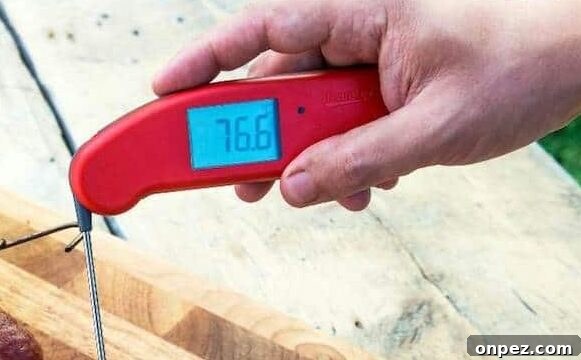
How Long Do You Rest Brisket?
Rest the brisket for about an hour after pulling it from the smoker. Resting lets the muscles relax and some juices reabsorb into the meat. Slicing too early forces those juices onto the cutting board and often results in a dry eating experience. For best results, tent or wrap and let the brisket sit undisturbed.
Deciding When To Wrap – Look For The Signs
Wrap based on color and bark development rather than strict timing. The first phase of the cook—roughly the first several hours—is about forming a dry, flavorful bark. When the bark begins to firm and show small cracks and the color deepens to a dark tone, it’s usually time to wrap. Many cooks wrap around 5–6 hours in, once internal temps have passed about 150°F and are approaching the stall in the 160–170°F range.
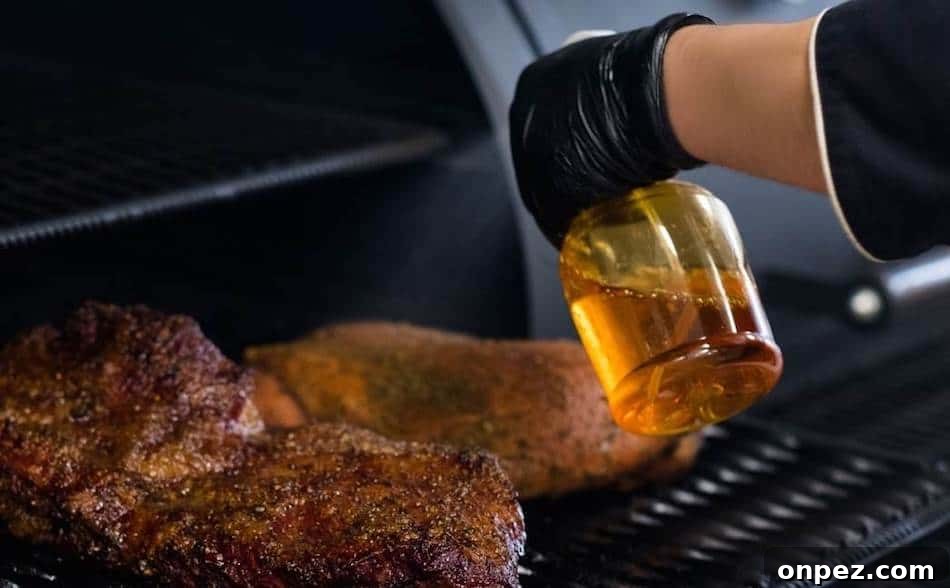
When To Spritz Brisket
Avoid spritzing during the early stage; doing so too often can wash away rub or cause temperature fluctuations. Begin assessing after the first 3–4 hours. If edges appear dry in the later hours before wrapping, a light spritz with apple cider vinegar, apple juice, or water can help maintain surface moisture and encourage the rub to bind—though it adds little direct flavor.
Using A Remote ‘Leave-In’ Thermometer
A reliable leave-in thermometer paired with an instant-read is one of the most important investments for brisket cooks. Devices that record and graph cook sessions remove much guesswork and let you analyze past cooks to improve consistency. Popular tools for monitoring include several smart thermometers and Wi‑Fi-enabled units—choose a well-reviewed model for accuracy and data logging.
Brisket Total Cook Time
Keep a cook journal with weights, ambient smoker temps, cook duration, and any notable observations. Over time these notes will help you predict cook length more accurately and refine your process. Smart thermometers that log data can also build a useful archive of past sessions.
Graphing Your Brisket Cook
Reading a temperature graph is like reading an EKG for your brisket: you’ll see the climb, the stall, and the final rise. Graphs help diagnose issues and remove uncertainty, especially during long cooks where small changes accumulate.
My Favorite Brisket Tools
These are the essential tools that make brisket cooking more consistent and enjoyable:
- Meat injector — useful when you want to add moisture or flavor deep in the meat.
- Quality brisket injection or marinade — can help with moisture and seasoning for competition-style cooks.
- Unwaxed, food-grade butcher paper — for wrapping brisket while preserving bark and retaining juices.
- Good brisket rubs — homemade or reputable commercial blends provide reliable seasoning.
- Leave-in meat thermometer with at least two probes — to monitor both meat and smoker temperature.
- Fast, accurate instant-read thermometer — critical for quick checks in multiple locations during the final stage.
- Advanced Bluetooth/Wi‑Fi thermometers and controllers — for cooks where data logging, remote monitoring, or automated fan control are desired.
Thanks for reading. Apply these guidelines, practice, and adjust based on your smoker and the particular brisket you have—experience is the best teacher when it comes to low-and-slow barbecue.