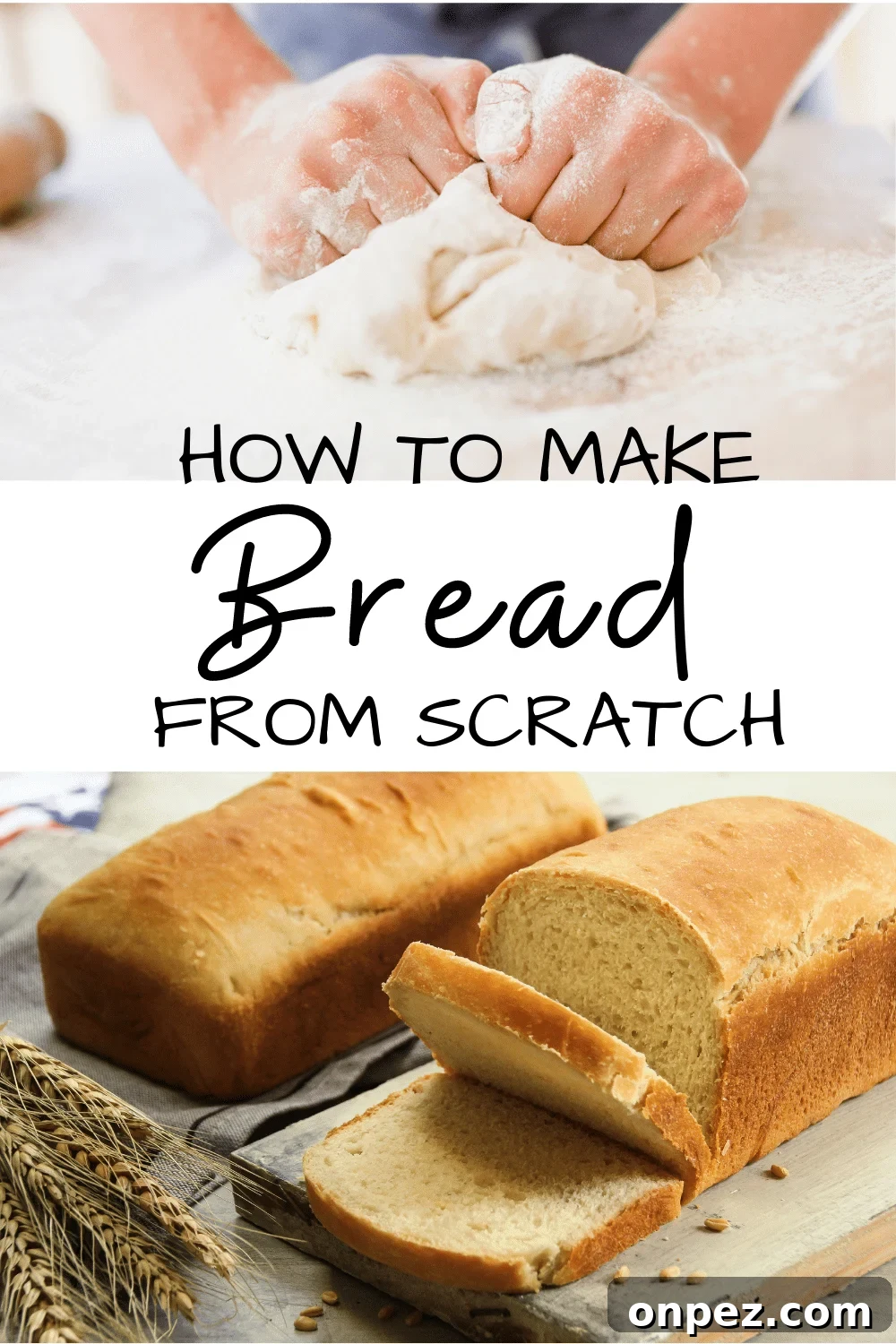
Learn how to make bread from scratch with this simple, reliable recipe. Baking homemade bread may seem intimidating, but with a few pantry staples and a little patience you can bake a beautiful, flavorful loaf. This guide walks you through each step—from activating yeast to shaping, rising, and baking—so you can enjoy fresh, warm bread at home.
This easy bread recipe explains how to activate active dry yeast with warm water, develop gluten through kneading, and let the dough rise to a golden-brown finish. Gather a large mixing bowl, your preferred kneading method, basic ingredients, and a warm spot for rising, and you’ll be ready to bake.
Whether this is your first loaf or you bake regularly, these steps yield a versatile loaf suitable for sandwiches, dinner rolls, garlic bread, or simply to enjoy with butter or jam. The loaf keeps well for 2–3 days when stored properly, and it freezes nicely in slices for longer storage.
Homemade Bread Key Ingredients
Active Dry Yeast / Instant Yeast
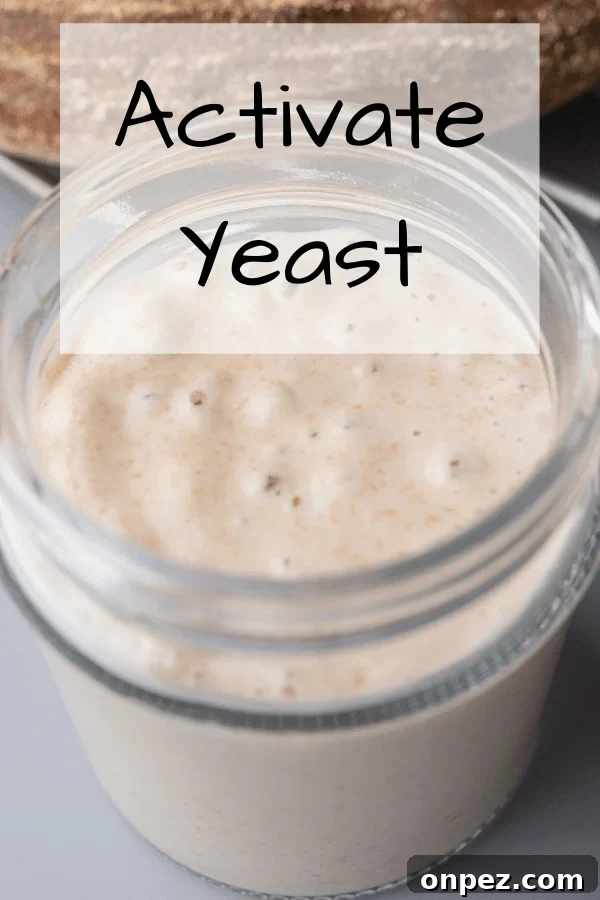
Yeast leavens the dough, creating the light texture and air pockets that make bread enjoyable. Use active dry yeast or instant yeast. When using active dry yeast, dissolve it in warm water with a pinch of sugar and wait for it to become foamy to confirm it’s active.
Warm Water
Warm water (about 100°–110°F) activates yeast and dissolves sugar. Water that is too hot can kill the yeast; water that is too cool may not activate it effectively.
Flour
All-purpose or bread flour works well. Bread flour has more protein and often yields a chewier crumb and better structure. You can substitute some whole wheat flour for a heartier flavor, but adjust hydration as whole wheat absorbs more liquid.
Salt
Salt enhances flavor and strengthens gluten structure. Add it to the dry ingredients and mix well so it distributes evenly.
Fats (Butter or Oil)
Melted butter, olive oil, or vegetable oil keeps the crumb tender and contributes to a golden crust. Brushing baked loaves with melted butter gives a soft, appealing finish.
Sugar
Sugar feeds the yeast during activation and adds a subtle sweetness to the bread. Dissolve sugar in the warm water before adding the yeast for best results.
Equipment
A wooden spoon, dough hook, or stand mixer works for mixing and kneading. A large mixing bowl and a lightly floured surface are helpful for working the dough. A Dutch oven, pizza stone, or loaf pan determines the crust and shape—use whichever suits your preferred result.
Step by Step Instructions
Activate the Yeast
- In a small bowl, dissolve 2 teaspoons sugar in 1 cup of warm water (100°–110°F).
- Stir in 1 3/4 tablespoons active dry yeast using a non-reactive spoon.
- Let the mixture sit 5–10 minutes until it becomes foamy and slightly increased in volume—this indicates active yeast.
Combine Dry Ingredients
- In a large mixing bowl, combine 1/2 cup granulated sugar, 1 1/2 teaspoons salt, and 5–6 cups flour, reserving 1 cup of flour. Measure flour by spooning into a cup and leveling it for accuracy.
Create a Well and Add Liquids
- Form a well in the center of the dry ingredients. Pour in the activated yeast mixture and a second cup of warm water into the well.
Mix and Knead the Dough
- Stir until a rough dough forms. The dough may be sticky at first.
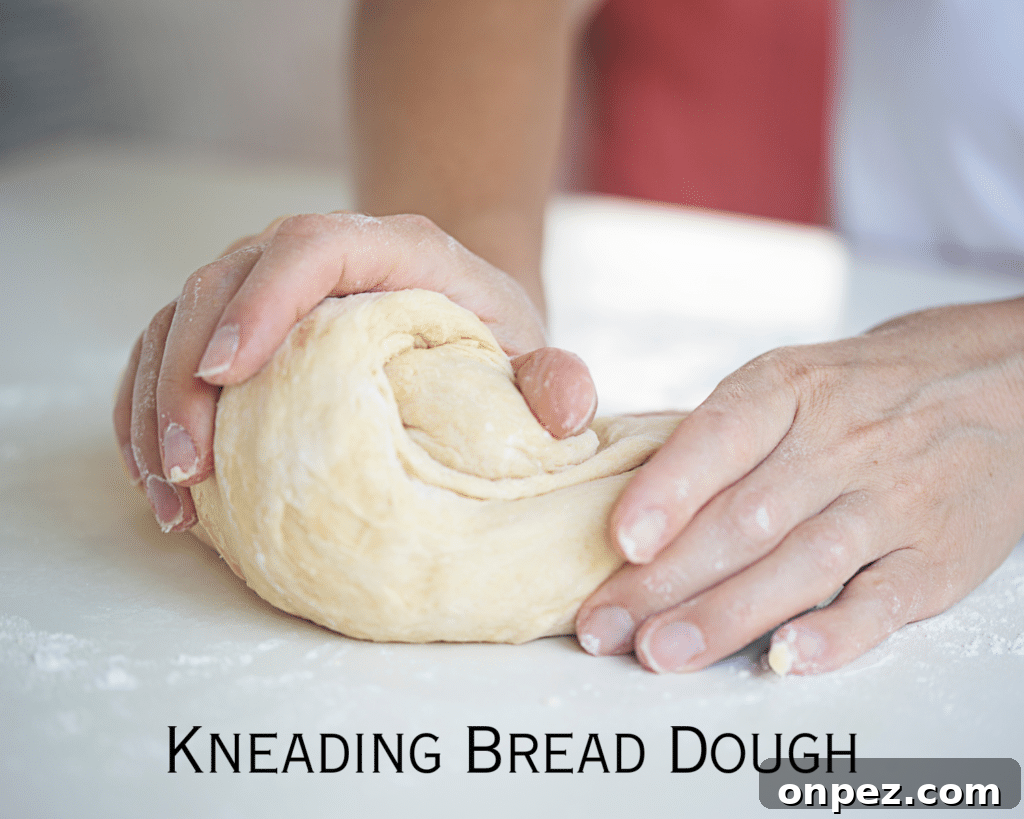
- Turn the dough onto a lightly floured surface and knead about 7 minutes until the dough is smooth and elastic. Use the heel of your hand to push the dough away, fold it back, and repeat. If needed, gradually add some of the reserved flour until the dough reaches the right consistency.
- If using a stand mixer with a dough hook, knead at medium speed about 7 minutes until smooth and elastic.
First Rise
- Place the kneaded dough into a lightly oiled large bowl, turning once so the top is lightly coated in oil.
- Cover the bowl to retain moisture and warmth, and allow the dough to rise in a warm, draft-free spot for about 1 hour, or until doubled in size.
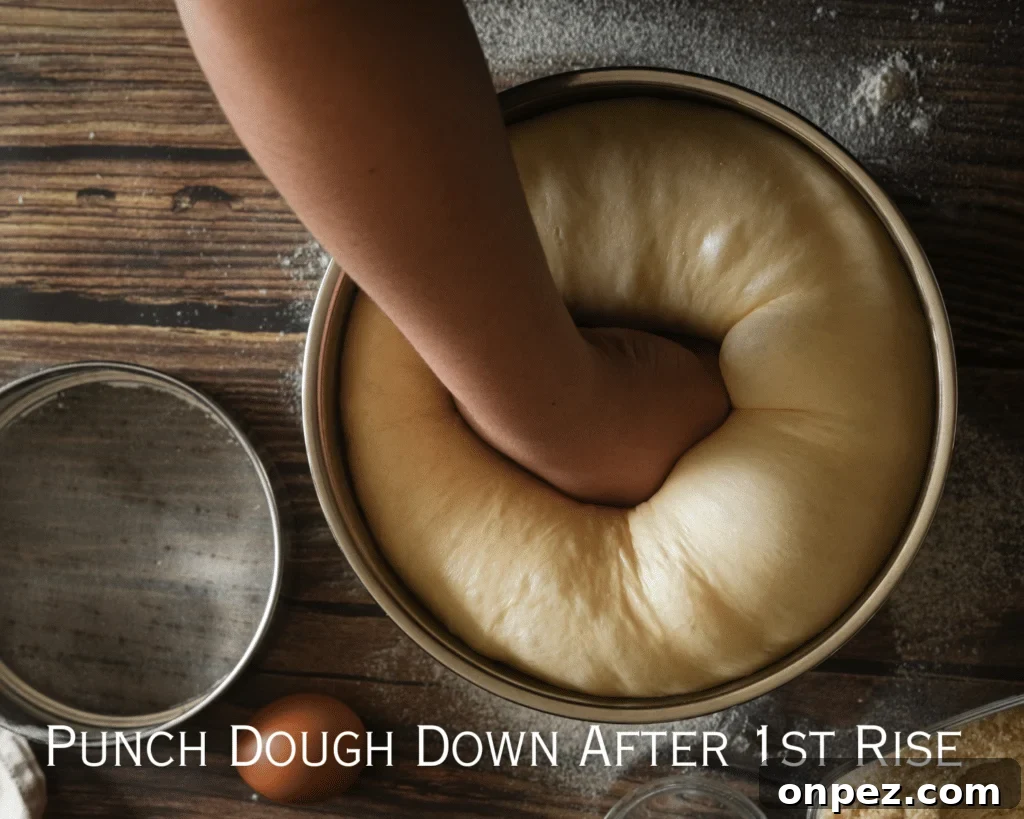
Punch Down and Shape
- Punch the dough down to release excess air and shape it gently into loaves or the desired shape. Handle the dough carefully to preserve some of the gas bubbles.
Second Rise
- Place shaped loaves into buttered bread pans or onto a greased baking sheet.
- Allow the loaves to rise up to 30 minutes—watch carefully and avoid over-rising, which can cause a flat or dense loaf.
Bake
- Preheat the oven to 350°F (175°C).
- Bake loaves about 30 minutes, until golden brown and the internal temperature reaches about 190°F (88°C). An instant-read thermometer helps confirm doneness without overbaking.
Finish and Enjoy
- Brush the hot loaves with melted butter for a soft, flavorful crust.
- Cool the bread on a wire rack before slicing to allow the crumb to set. Cooling prevents the crumb from becoming gummy and makes slicing easier.
- Serve with butter, jam, or your favorite toppings.
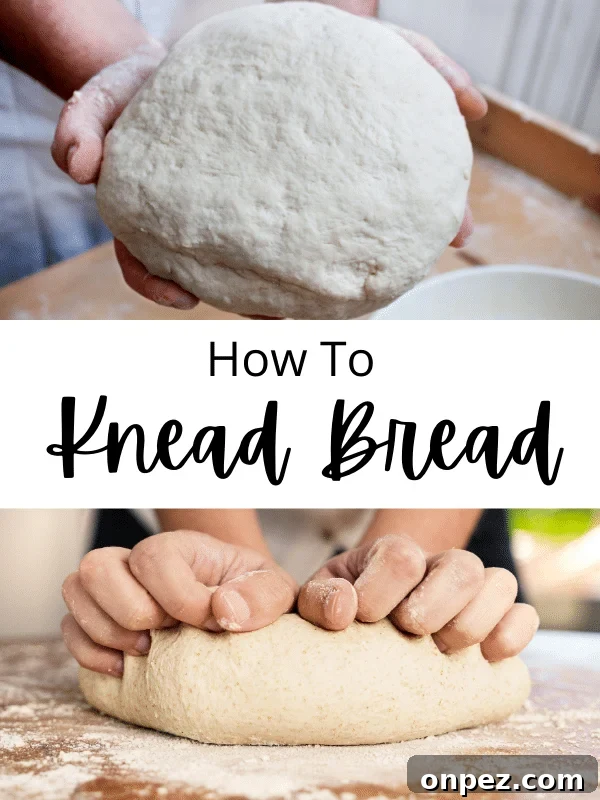
How to Store Homemade Bread
- Store cooled bread in an airtight container or resealable bag at room temperature. Fresh bread is best within 2–3 days.
Freezing: Slice the loaf and freeze portions in airtight bags. Reheat slices in the toaster or oven when needed.
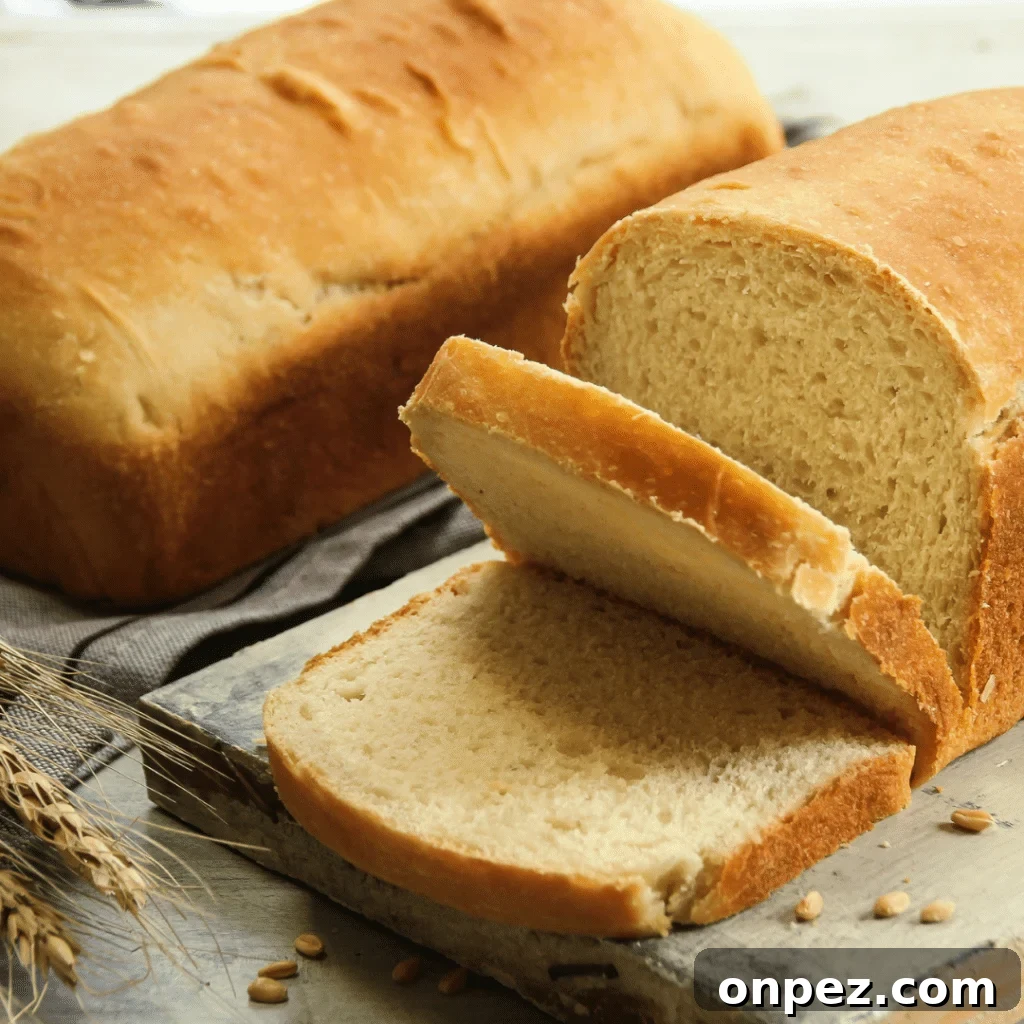
Recipe Card
If you try this recipe and enjoy it, please leave a comment to share how it turned out and any variations you tried.
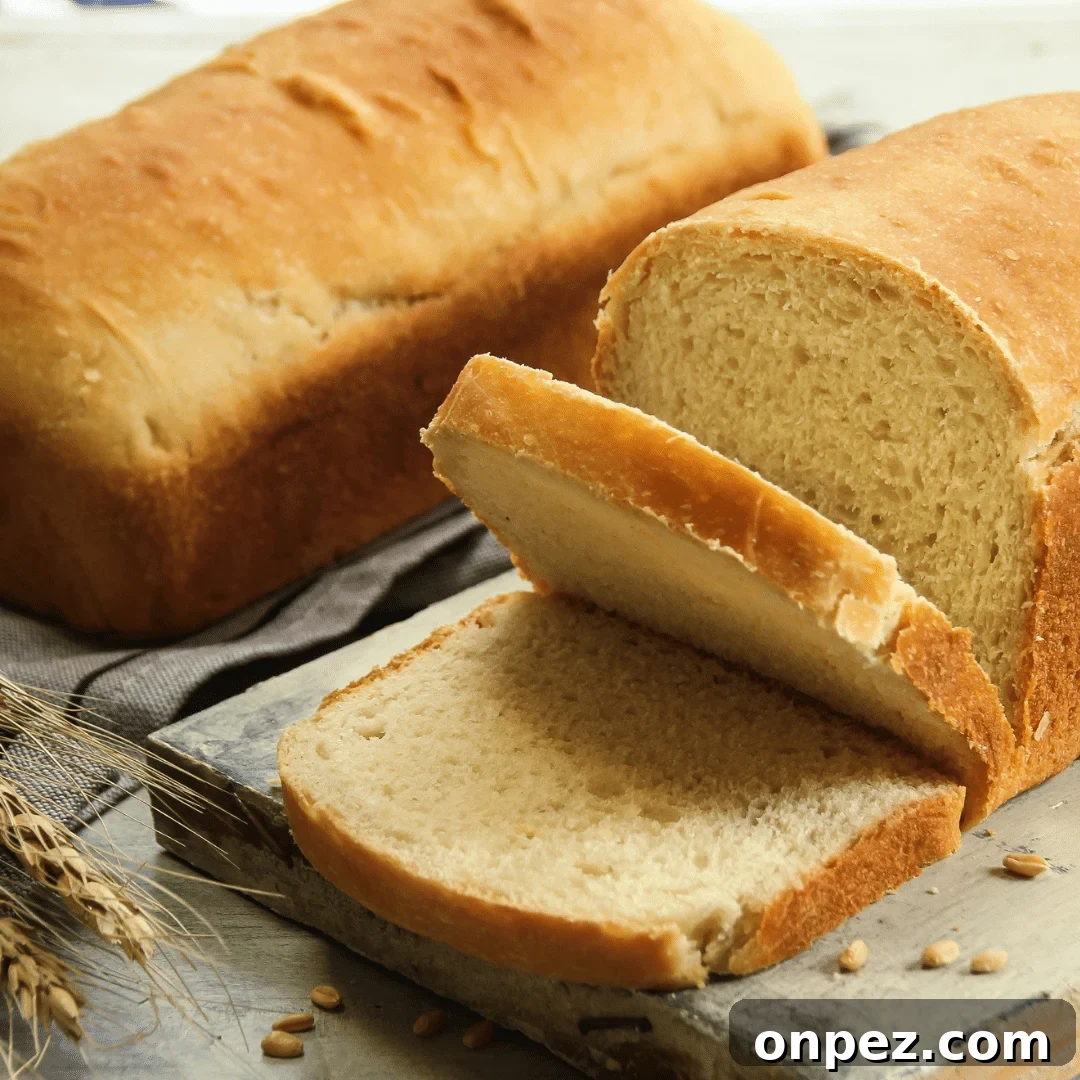
Easy Bread Recipe
Ingredients
- 1 & 3/4 tablespoons active dry yeast
- 2 tsp sugar
- 1/2 cup granulated sugar
- 2 cups warm water (100°–110° F)
- 1 & 1/2 teaspoons salt
- 1/4 cup melted butter or oil
- 5–6 cups flour
Instructions
- In a small bowl dissolve 2 tsp sugar in 1 cup warm water and stir in yeast. Allow it to activate until foamy.
- In a large mixing bowl combine the remaining sugar, salt, melted butter (or oil), and 4–5 cups of the flour, holding back 1 cup.
- Make a well in the flour mixture and pour in the activated yeast and the second cup of warm water.
- Mix to form a rough dough. Turn onto a floured surface and knead about 7 minutes until smooth and elastic, adding reserved flour as needed.
- Place the dough into a lightly oiled bowl, cover, and let rise in a warm place for about 1 hour or until doubled.
- Punch down the dough and shape into loaves, then place into buttered pans or onto a greased baking sheet.
- Let the shaped dough rise up to 30 minutes; avoid over-proofing.
- Bake at 350°F for about 30 minutes, until golden brown and 190°F inside.
- Brush the tops with melted butter and cool on a wire rack before slicing.
- Enjoy warm with butter, jam, or your favorite spread.
Nutrition
|
Calories: 132kcal
Share Your Experience
Leave a comment to share your baking tips, questions, or any variations you tried. Did you add seeds, herbs, or different flours? I’d love to hear how your loaf turned out.
More Recipes
Sourdough Bread for Beginners
Soft Sourdough Rolls
Tender Rump Roast, Oven Roasted
Freezer Jam Recipes