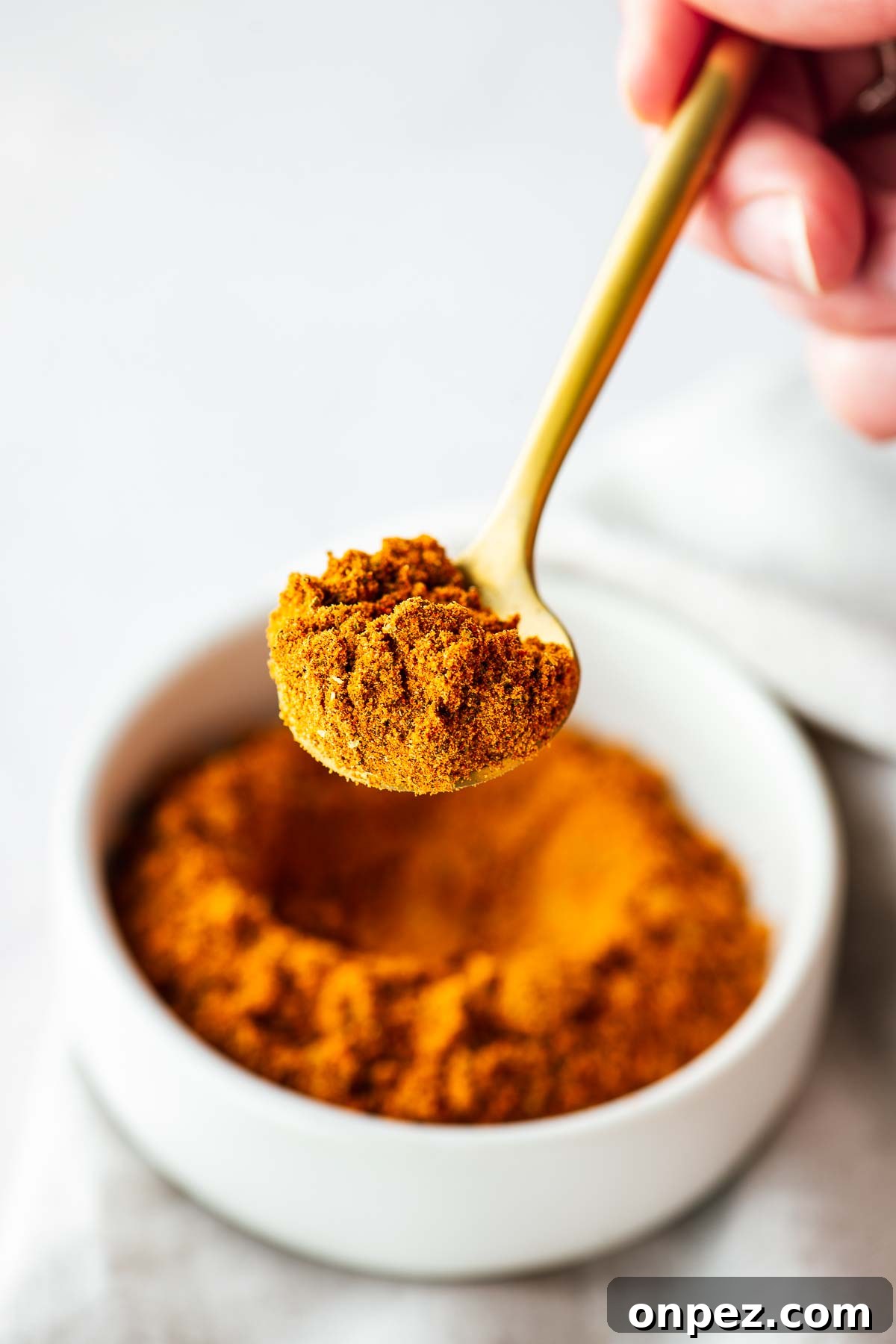
Old Bay Seasoning is a classic blend of herbs and spices—18 in the original US mix—that adds savory depth to seafood, roasted potatoes, popcorn and cold salads like potato, egg or tuna salad. Although the precise recipe is proprietary and can be hard to find outside the United States, the main components are widely known and easy to reproduce at home.
See the recipe card for a homemade Old Bay substitute below, or review the list of practical alternatives if you can’t find the original.
Keep reading to learn more about
- what Old Bay is,
- the main ingredients in Old Bay,
- the best substitutes for Old Bay Seasoning,
- how to use Old Bay, or
- find a recipe for a homemade Old Bay substitute.
What is Old Bay?
Old Bay began in 1939 when the Baltimore Spice Company introduced a blend originally called “Delicious Brand Shrimp and Crab Seasoning.” Later the mix was renamed Old Bay Seasoning. McCormick & Company acquired the brand in 1990 and still produces it today. The US Classic Seafood blend is marketed as an 18-herb and spice mix; the full formula is proprietary, but the label and historical packaging reveal many of the primary components.
The U.S. product lists celery salt (salt and celery seed), spices (including red and black pepper) and paprika among the primary ingredients. Older packaging and museum examples also mention bay leaves, mustard, cardamom, cloves and ginger. Note that formulations vary by market: the UK version lists 14 ingredients and includes sugar and mustard flour among others, so recipes and nutrition can differ between countries and product varieties.
Old Bay Seasoning varieties
Beyond the Classic Seafood Seasoning, Old Bay is available in several flavored or modified versions. Examples include a spicier Hot blend, Garlic & Herb, Lemon & Herb, a reduced-sodium version, and a Blackened Seasoning with added sugar. For the most authentic Old Bay flavor, use the classic blend; for different applications, one of the flavored varieties may suit your dish better.
Main ingredients in Old Bay
The exact recipe for Old Bay Classic Seafood Seasoning remains a trade secret, but packaging and historical sources make many of the key ingredients clear.
- Commonly listed components include celery salt (salt + celery seed), paprika, and spices such as red (cayenne) and black pepper.
- Older ingredient lists and museum displays reference bay (laurel) leaves, mustard, cardamom, cloves, and ginger.
- The US Classic product indicates it does not contain onion or garlic powder, and the US classic formula typically contains no added sugar, though some international or specialty Old Bay products do.
Copycat and homemade versions often add cinnamon, allspice, nutmeg, coriander, thyme, and other warming spices in small amounts. Red pepper flakes or cayenne provide the heat component—cayenne is often dominant when red pepper flakes are specified.
The best substitutes for Old Bay Seasoning
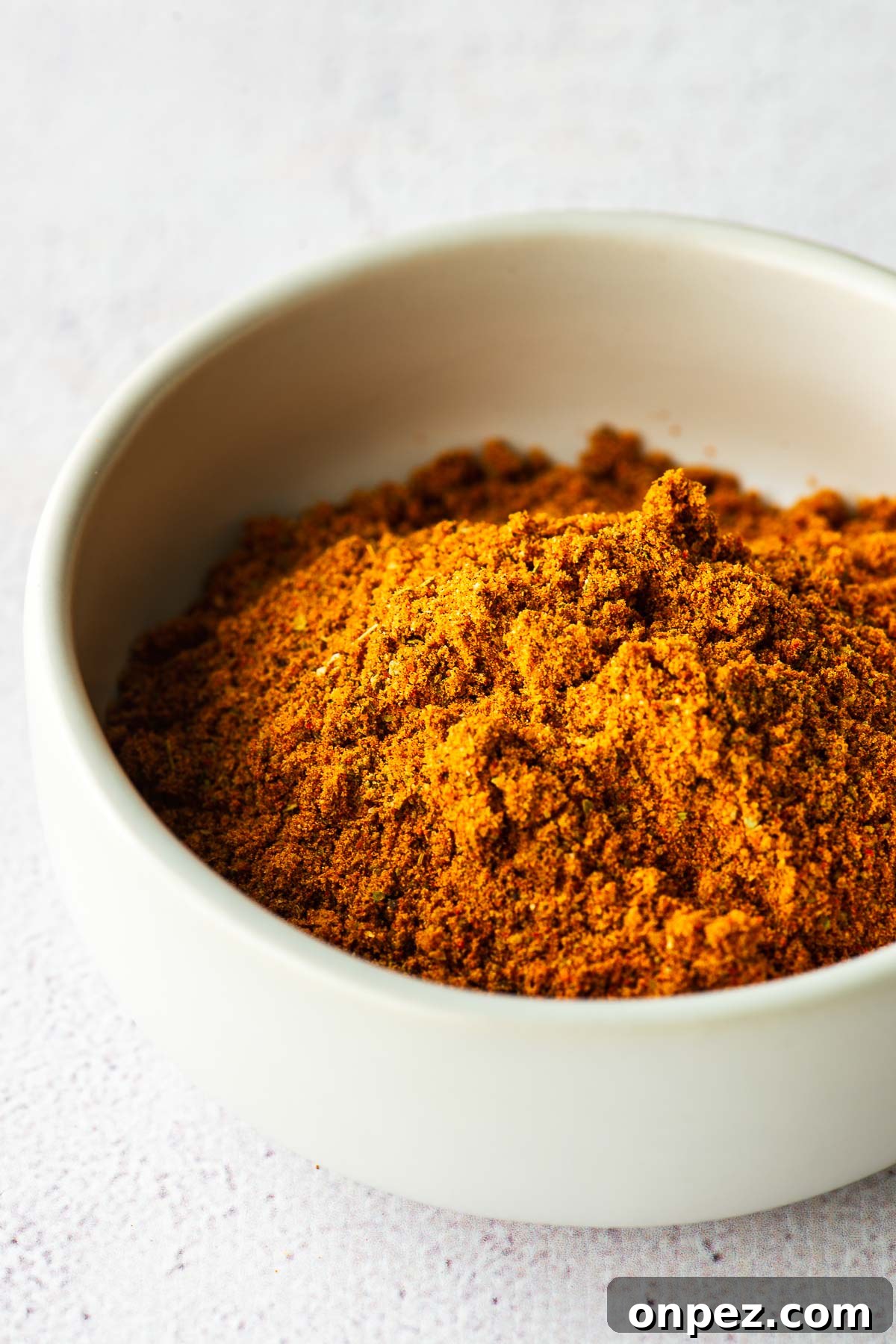
When Old Bay is unavailable, several prepared blends and homemade mixes can approximate its flavor. Some ready-made seafood seasonings are similar and can be used 1:1, while other regional spice blends can be adapted by adding celery salt and paprika. If you live outside the U.S. and can’t source regional seafood seasonings, try the homemade mixes listed near the end of this article.
Because Old Bay has salt as a base component, check any substitute for salt content. If a chosen blend is unsalted, add approximately one teaspoon of salt (or better, celery salt) for every two teaspoons of seasoning to bring the balance closer to Old Bay.
1. Phillips Seafood Seasoning
A ready-made seafood blend that typically contains paprika, celery salt, pepper, allspice, mustard and ginger. Works well as a direct substitute.
2. Pacific Seafood Seasoning
Another commercial seafood blend that often includes celery seed, white pepper, bay leaves, clove, ginger, cardamom, nutmeg, paprika and mustard powder. Use 1:1.
3. Chesapeake-style all-purpose seasoning
All-purpose Chesapeake blends (sometimes called “Chesapeake Dirt” or similar) combine many herbs and spices—basil, oregano, thyme, salt, pepper, garlic and more—and make a robust Old Bay stand-in for many dishes.
4. Crab boil blends
Crab boil seasonings are formulated for shellfish and often include cayenne or red pepper, paprika, bay leaf, cloves, black pepper and mustard seeds. They work well as a substitute, especially for seafood boils.
5. Pickling spice (ground and adjusted)
Pickling spice can vary, but commonly includes mustard seed, allspice, coriander, cardamom, cloves, ginger and bay leaf. If using whole pickling spices, grind them and add celery salt for a closer match.
6. Cajun seasoning
A spicy Southern blend of paprika, cayenne, black pepper and oregano. If unsalted, add celery salt to more closely mimic Old Bay’s flavor.
7. Creole seasoning
Similar to Cajun but often more herb-forward and slightly milder. If the blend lacks celery seed or paprika, add those elements or some celery salt to match Old Bay’s profile.
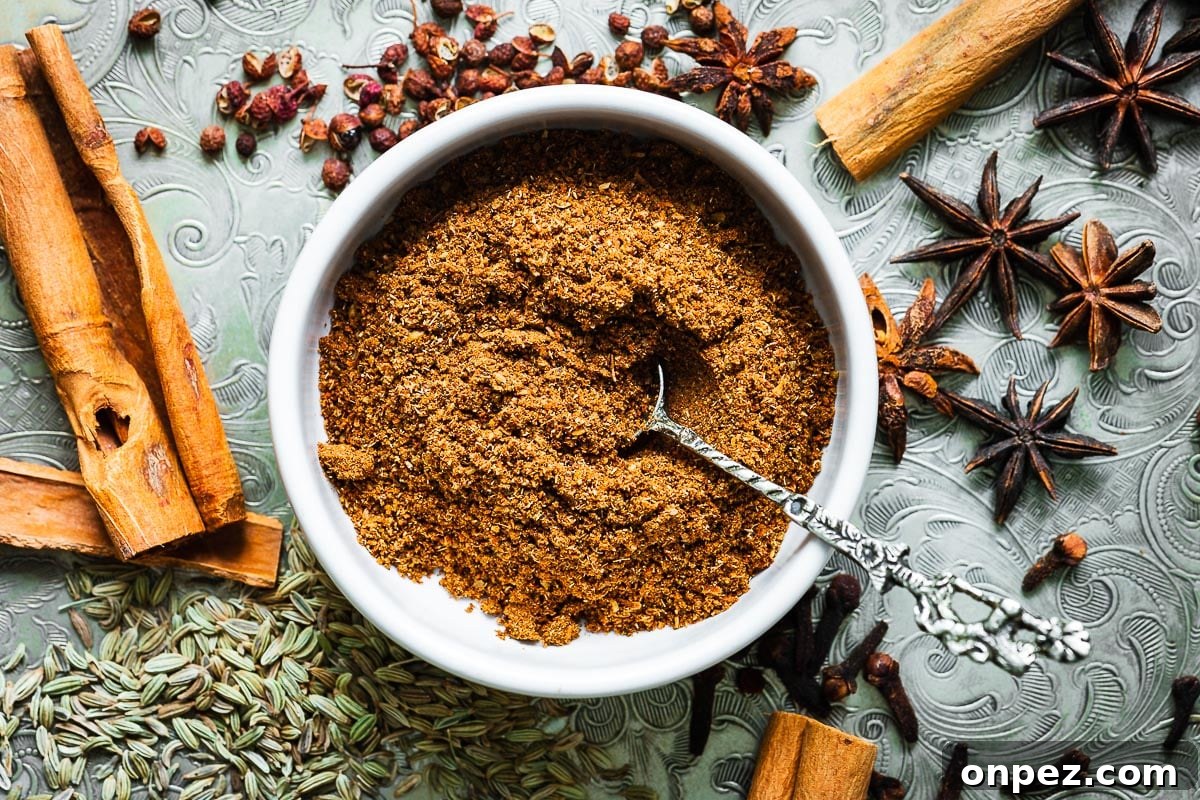
8. Chinese five-spice (adapted)
Five-spice is distinct, with cinnamon and star anise notes. To use it as an Old Bay-style substitute, blend two parts five-spice with salt (preferably celery salt), a little sweet paprika and a pinch of cayenne to balance the sweet and savory tones.
9. French four-spice (adapted)
French four-spice (white pepper, nutmeg, ginger and cloves) can be adjusted with paprika, cayenne and celery salt to provide a warm, balanced alternative.
10. Lebanese seven-spice (Baharat) (adapted)
Seven-spice blends often contain warming spices and pepper; add celery salt, paprika and a pinch of cayenne to translate the blend toward an Old Bay-style profile.
11. Ras el hanout (adapted)
This North African mix can be versatile; if unsalted, add celery salt and a touch of paprika to approximate the savory complexity of Old Bay.
12. Seasoning salt
Commercial seasoning salts vary widely. If the seasoning salt lacks key Old Bay notes—paprika, celery seed, mustard or bay leaf—add those elements to reach a closer match.
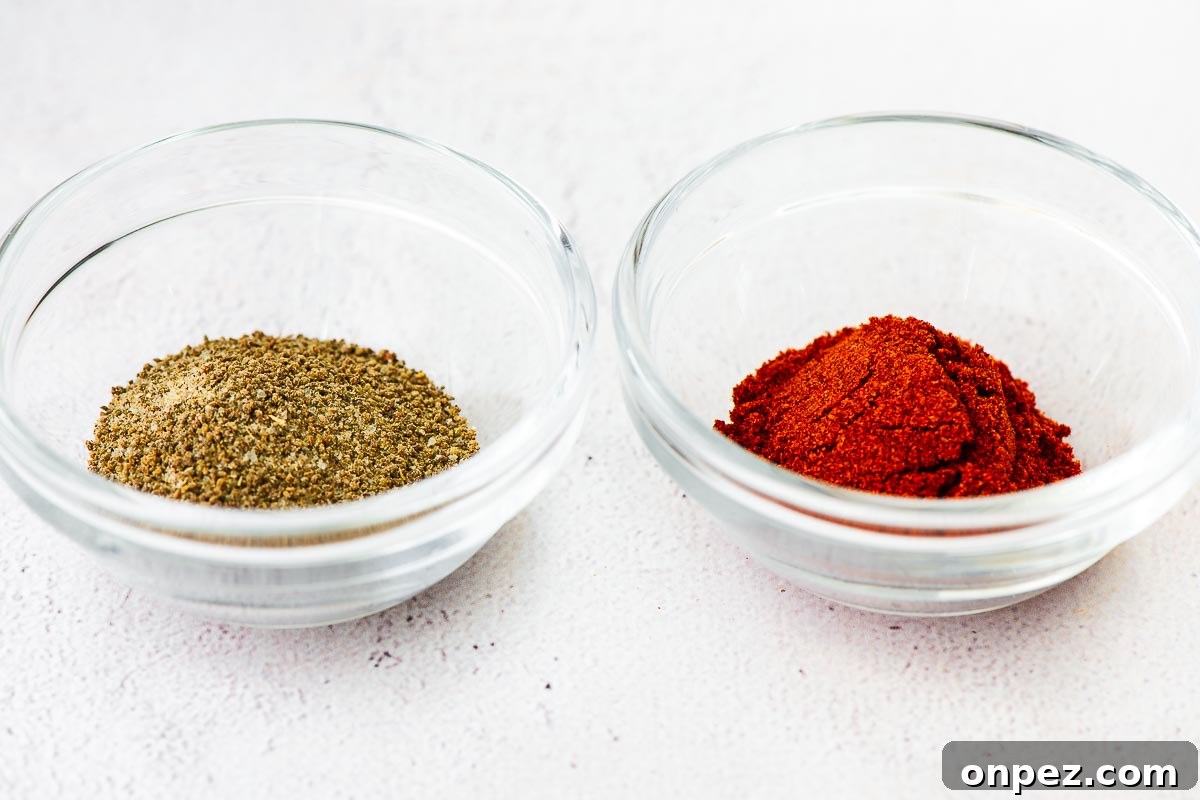
13. Simple two-ingredient substitute: celery salt + paprika
A quick and effective substitute is a 1:1 mix of celery salt and sweet paprika. Combine two teaspoons celery salt with two teaspoons paprika to yield four teaspoons of Old Bay-style seasoning. This option is fast, pantry-friendly and surprisingly close for many uses.
14. Homemade Old Bay substitute without a spice grinder
If you don’t have a spice grinder but have a stocked spice cabinet, combine the following for about three tablespoons of substitute:
- 1 tablespoon celery salt
- 1 tablespoon sweet paprika
- 1 teaspoon dry mustard (mustard powder)
- ½ teaspoon bay leaf powder (optional)
- ½ teaspoon ground black pepper
- ¼ teaspoon ground ginger
- ¼ teaspoon cayenne pepper
- ⅛ teaspoon ground cardamom
- Small pinches of nutmeg, allspice and cinnamon
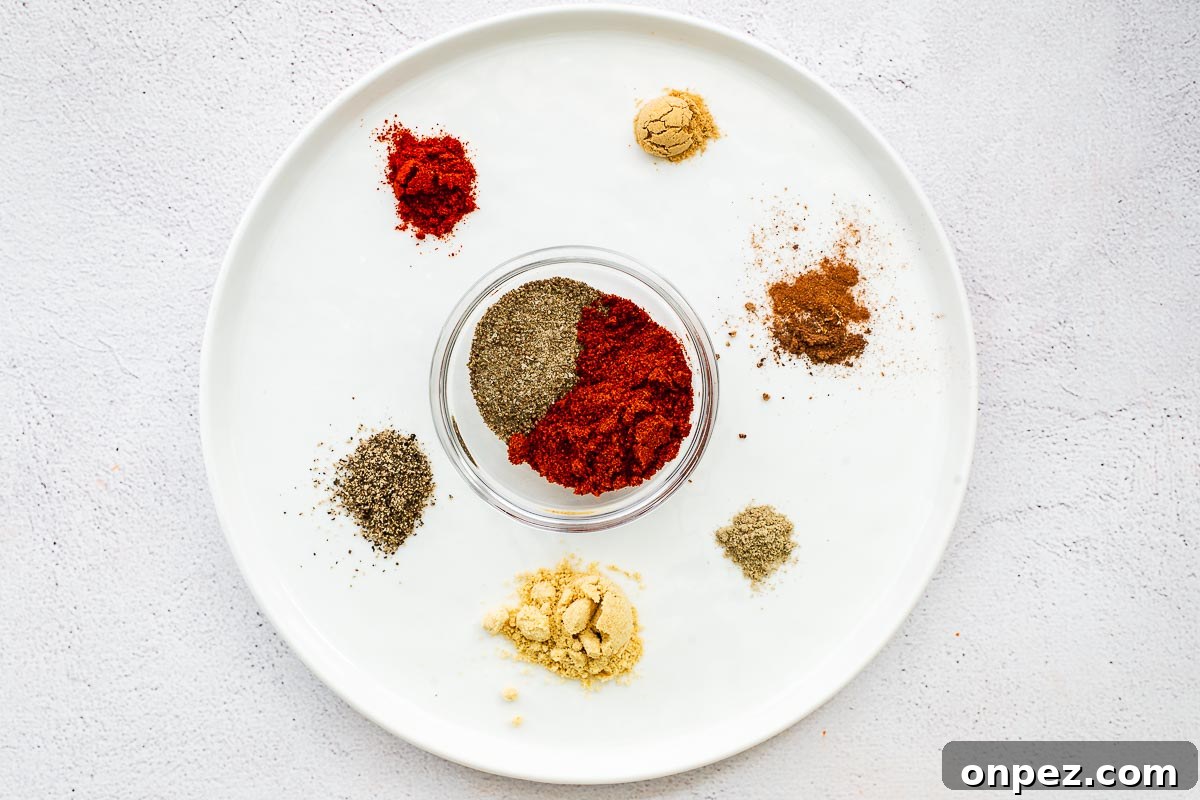
15. The best homemade Old Bay substitute (requires spice grinder)
For the most faithful homemade version, grind whole spices together and mix with celery salt and paprika. For about six tablespoons of seasoning, combine and grind until fine:
- 1 tablespoon celery salt (or 2 tsp celery seeds + 1 tsp salt)
- 1 tablespoon sweet paprika
- 1 teaspoon dry mustard
- 4 dried bay leaves
- ½ teaspoon black peppercorns
- ¼ teaspoon coriander seeds
- ¼ teaspoon dried thyme
- ¼ teaspoon ground ginger
- ¼ teaspoon ground cayenne (or red pepper flakes)
- ⅛ teaspoon ground cardamom
- 1 clove (or a pinch of ground cloves)
- Small pinches of nutmeg, allspice and cinnamon
Grind to a fine powder, store in an airtight container and use as you would Old Bay. It should keep well for many months if stored away from light and heat.
How to use Old Bay Seasoning
Although Old Bay is most associated with seafood—shrimp boils, crab cakes and steamed shellfish—its savory, slightly spicy profile complements many other foods. Try it in vegetarian and vegan dishes too.
Sprinkle it over:
- potato salad and egg salad
- scrambled eggs
- fries, roasted potatoes or baked potatoes
- homemade popcorn
- grilled or roasted vegetables such as corn
Use it as a rub for sweet potato wedges or to season the rim of a Bloody Mary. Mix it into dips, mayonnaise, compound butter, deviled egg filling, or any sauce that needs a savory, aromatic lift.
Questions
Is Old Bay vegan?
Yes. Old Bay Classic Seasoning contains herbs, spices and celery salt and is suitable for vegan and vegetarian cooking.
Is Old Bay gluten-free?
The Classic Old Bay Seasoning sold in the U.S. is considered gluten-free and the manufacturer states that allergens are declared explicitly on packaging. Always check the label for specific allergen declarations for the product you buy in your region.
Does Old Bay contain sugar?
The US Classic Old Bay typically does not contain sugar, but some Old Bay product variants (and some international formulations) do include sugar. Refer to the ingredient list on the package to confirm.
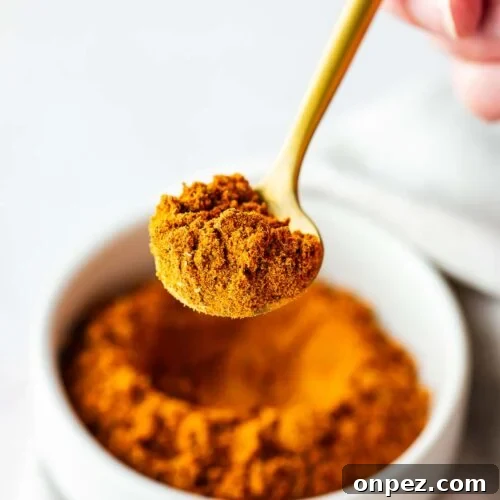
The best Old Bay Seasoning substitute
Equipment
- Spice grinder (recommended; see notes for alternatives)
Ingredients
- 1 tablespoon celery salt (or 2 tsp celery seeds + 1 tsp salt)
- 1 tablespoon sweet paprika
- 1 teaspoon dry mustard (mustard powder)
- 4 dried bay leaves
- ½ teaspoon black peppercorns
- ¼ teaspoon coriander seeds
- ¼ teaspoon dried thyme
- ¼ teaspoon ground ginger
- ¼ teaspoon ground cayenne pepper (or red pepper flakes)
- ⅛ teaspoon ground cardamom
- 1 clove (or a pinch of ground cloves)
- Pinches of ground nutmeg, allspice and cinnamon
Instructions
- Place all ingredients in a spice grinder and process until finely ground and uniform.
- Transfer to an airtight container and store in a cool, dark place. Use within a year for best flavor.
Notes
- If you don’t have many spices, try the two-ingredient substitute: equal parts celery salt and sweet paprika.
- If you lack a grinder but have ground spices, use the no-grinder mix listed above.
- You can make celery salt by combining ground celery seeds with salt if a pre-made product isn’t available.
Related note: You can make celery salt at home from celery seeds or dehydrated celery leaves if needed.
Try more homemade spice blends
- The best garam masala substitute and recipes
- Chinese five-spice substitutes and tips
- Alternatives to Tajín seasoning
- Top curry powder substitutes
- Madras curry powder recipes and ideas