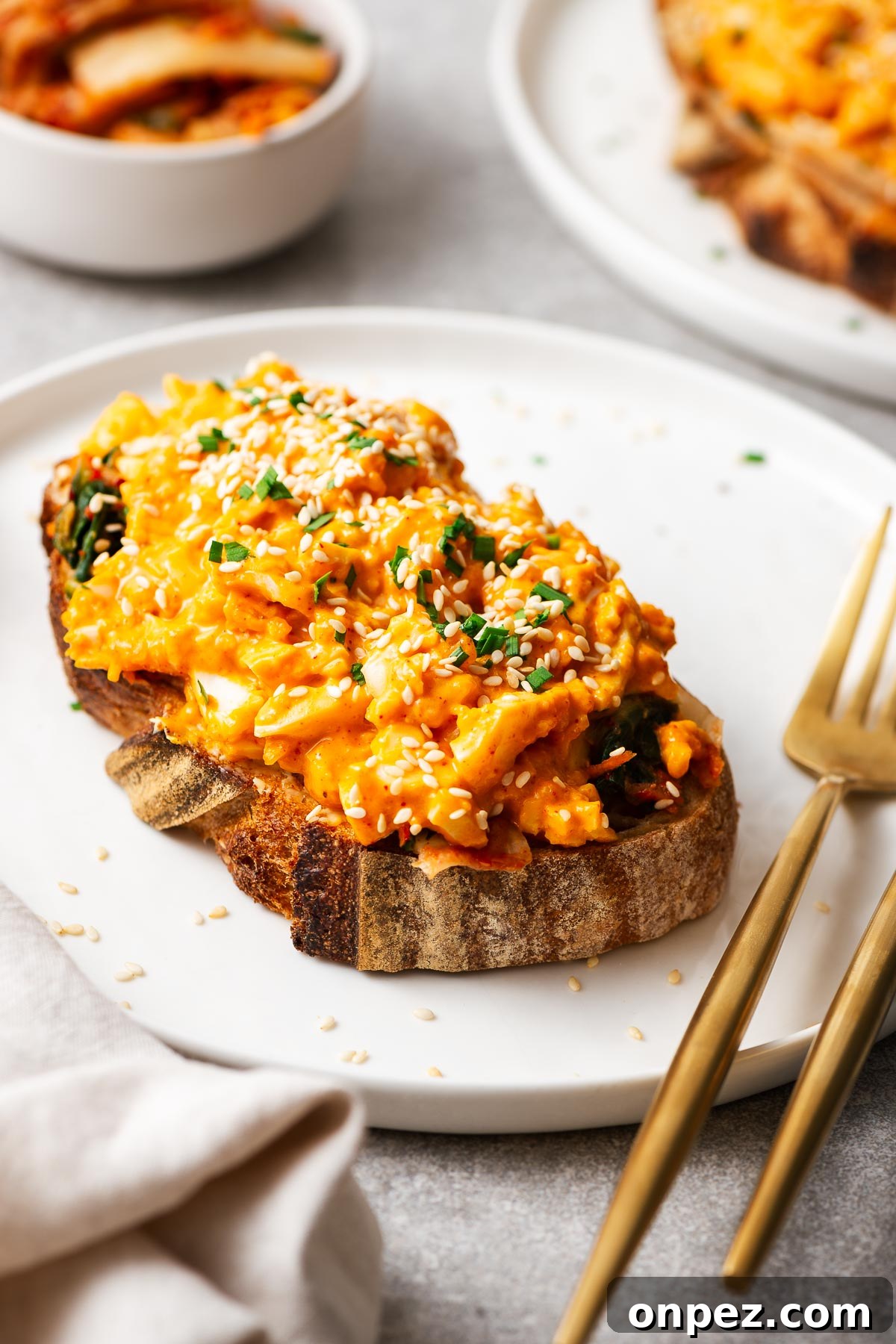
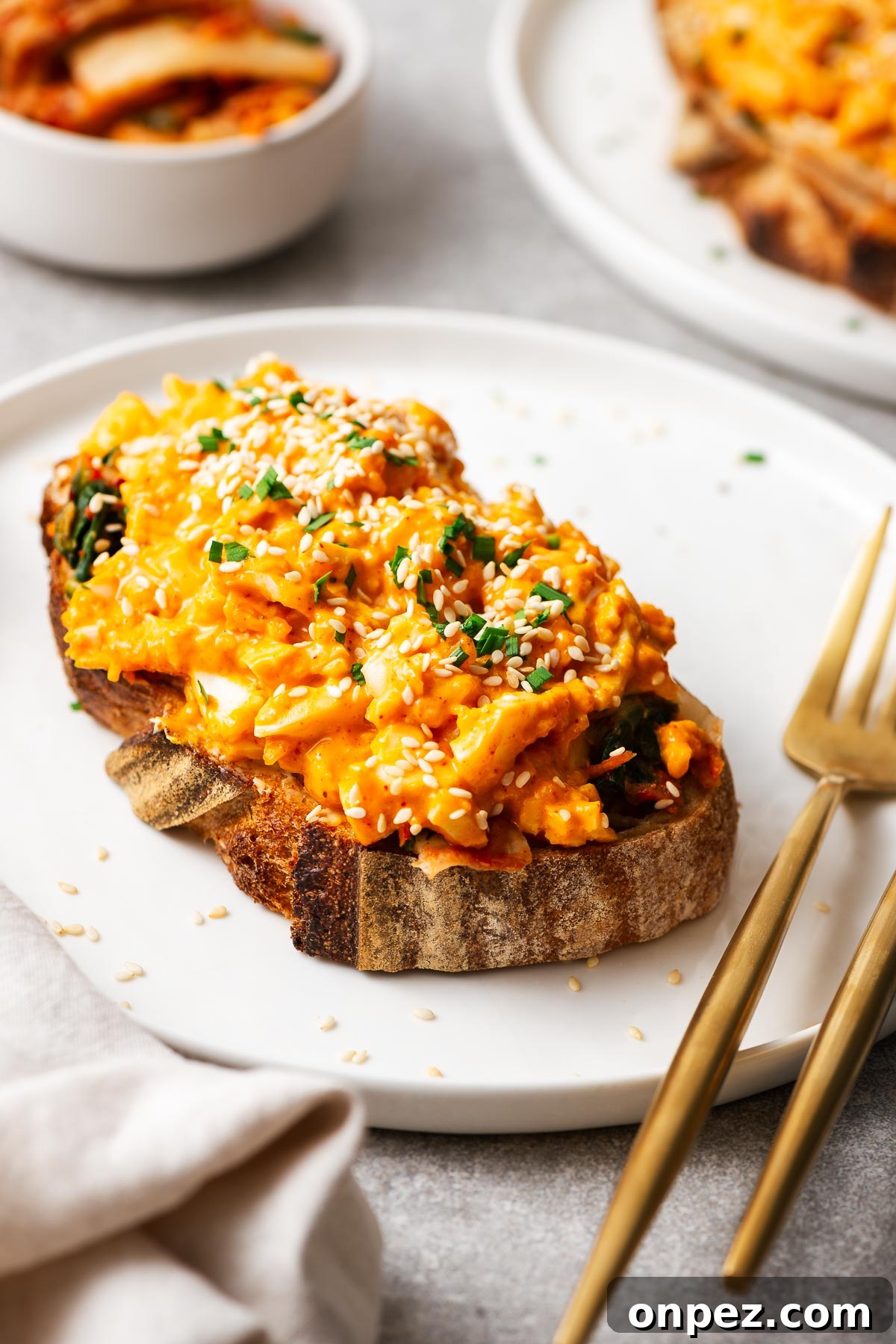
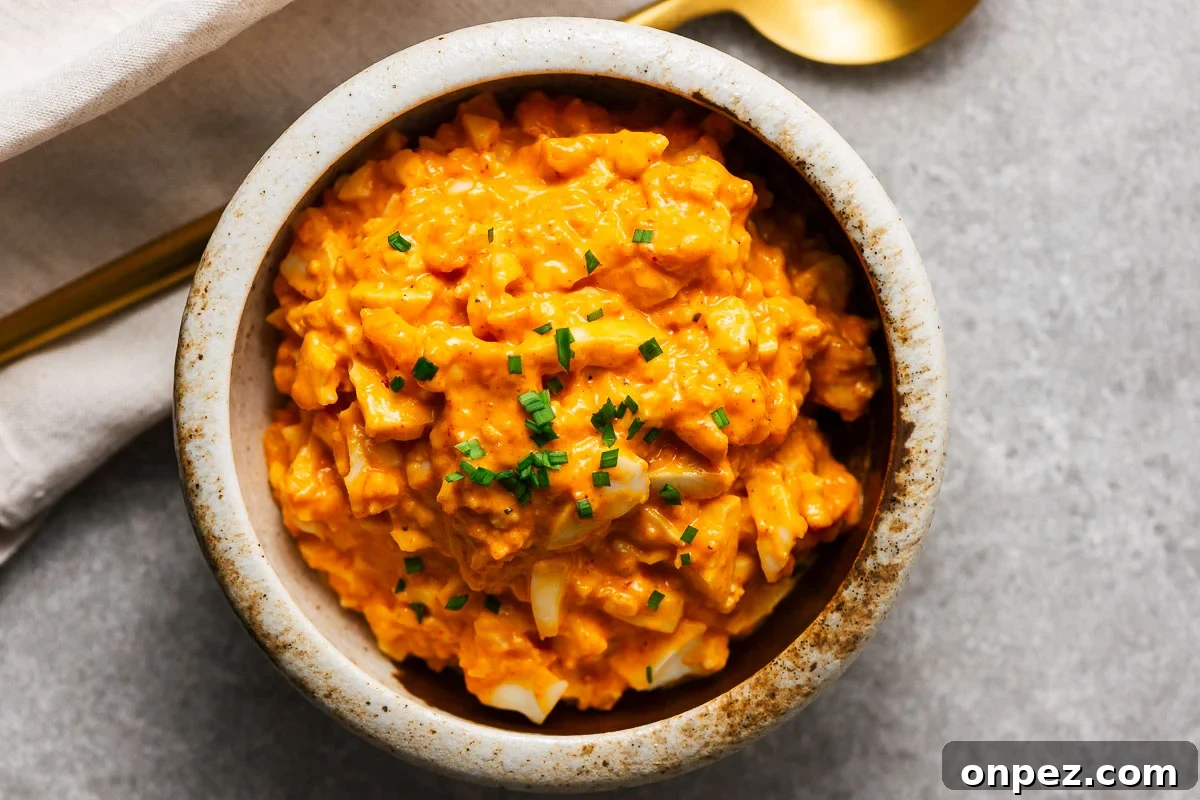
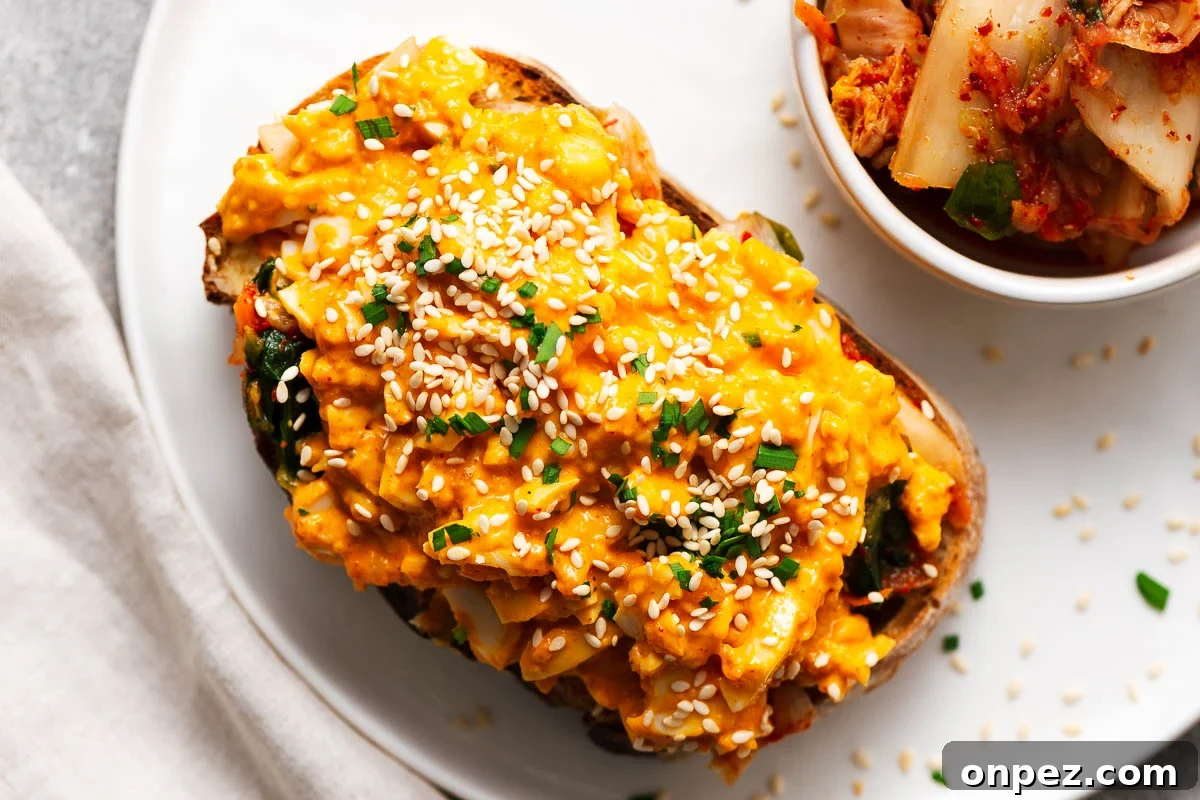
Bring bold flavour to your morning with gochujang eggs, a creamy Korean-inspired egg salad with a spicy, savoury kick. Spoon it over crusty sourdough toast for a satisfying breakfast for two, or serve it with steamed rice and kimchi for an easy meal at any time of day.
Gochujang paste is a spicy fermented Korean red pepper paste with deep umami flavour and gentle sweetness. When mixed with mayonnaise, toasted sesame oil and a small pinch of brown sugar, it becomes a rich and punchy sauce that coats boiled eggs beautifully.
This gochujang egg salad is quick to make, easy to customise and ideal for meal prep. Make a double batch and keep it in the fridge for fast breakfasts, rice bowls, sandwiches or snacks throughout the week.
Why I love this recipe
Big flavour with simple ingredients: Gochujang paste, mayonnaise and sesame oil create a creamy, spicy and umami-rich sauce that turns boiled eggs into something special.
Easy to serve in different ways: Enjoy these spicy gochujang eggs on toast, with steamed rice, inside a sandwich or as a quick side dish with kimchi.
Fast and practical: The recipe uses only a handful of ingredients and comes together in about 15 minutes, making it perfect for busy mornings or meal prep.
Ingredients and substitutes
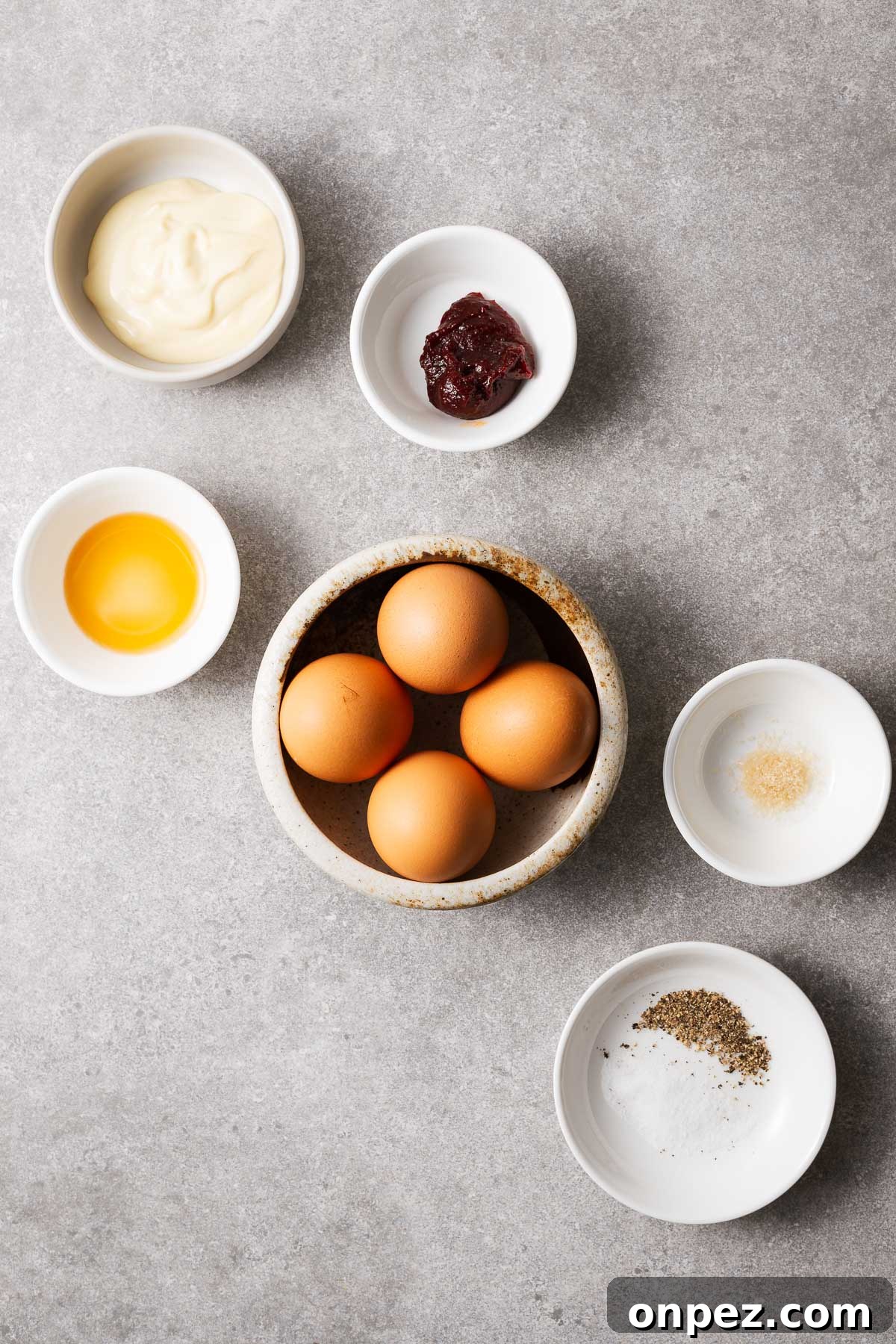
You only need a few pantry-friendly ingredients to make this Korean-style egg salad. It is a great introduction to gochujang if you are new to Korean flavours, and it is just as appealing if you already love spicy, savoury food.
Eggs: Large eggs work well here. Use any eggs you prefer and cook them to your favourite texture.
Gochujang paste: This is the main flavour in the recipe. Gochujang is a spicy fermented Korean red pepper paste and is not the same as gochujang sauce or bibimbap sauce. Different brands vary in heat, so start with the suggested amount and add more to taste. If you cannot find gochujang paste, Sriracha or a homemade gochujang substitute can work in a pinch, though the flavour will be different.
Mayonnaise: Regular mayonnaise gives the sauce its creamy body. Kewpie mayo is also a good option if you enjoy a richer flavour.
Toasted sesame oil: A small amount adds nutty depth and makes the sauce taste more rounded.
Brown sugar: This is optional, but a tiny pinch helps balance the heat and savouriness of the gochujang. Honey or maple syrup can also be used.
Salt and black pepper: Season at the end so you can adjust the flavour after mixing.
How to make gochujang eggs
Step 1: Boil eggsStep 2: Make gochujang mayo
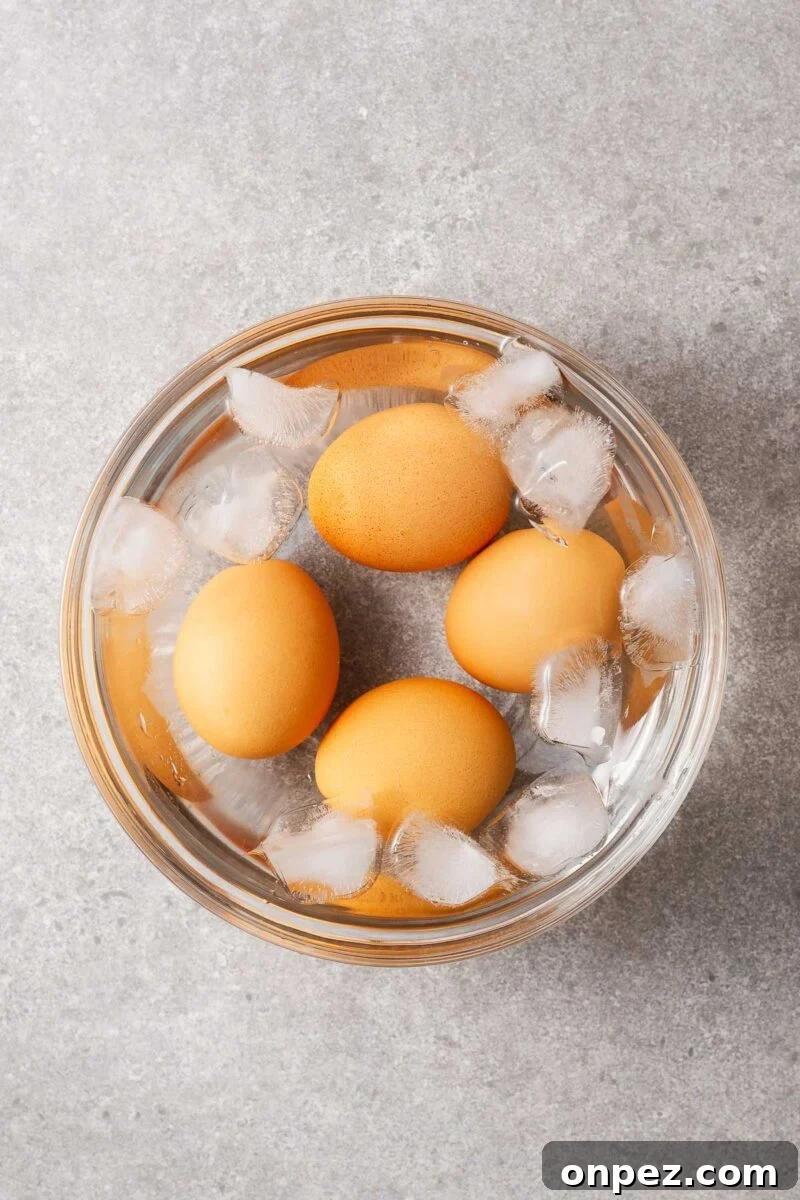
Step 1: Boil the eggs. Bring a pot of water to a boil. Carefully lower in the eggs and cook for seven and a half minutes. Transfer them straight into an ice bath to stop the cooking and help them cool quickly.
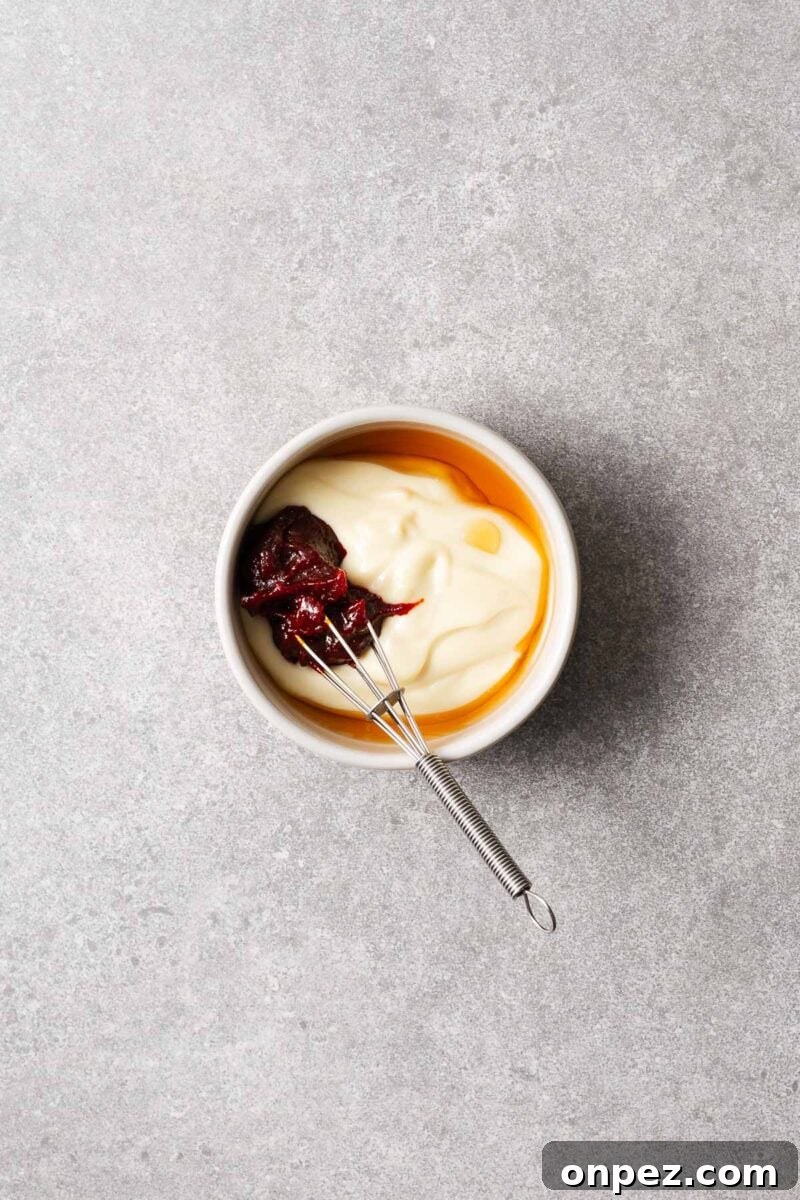
Step 2: Make the gochujang mayo. In a small bowl, stir together the gochujang paste, mayonnaise, toasted sesame oil and brown sugar, if using. Taste the sauce and add more gochujang if you prefer a spicier egg salad.
Tip: You can make extra gochujang mayo and keep it for drizzling over eggs, rice bowls, noodles or roasted vegetables.
Step 3: Mash eggsStep 4: Mix with sauce
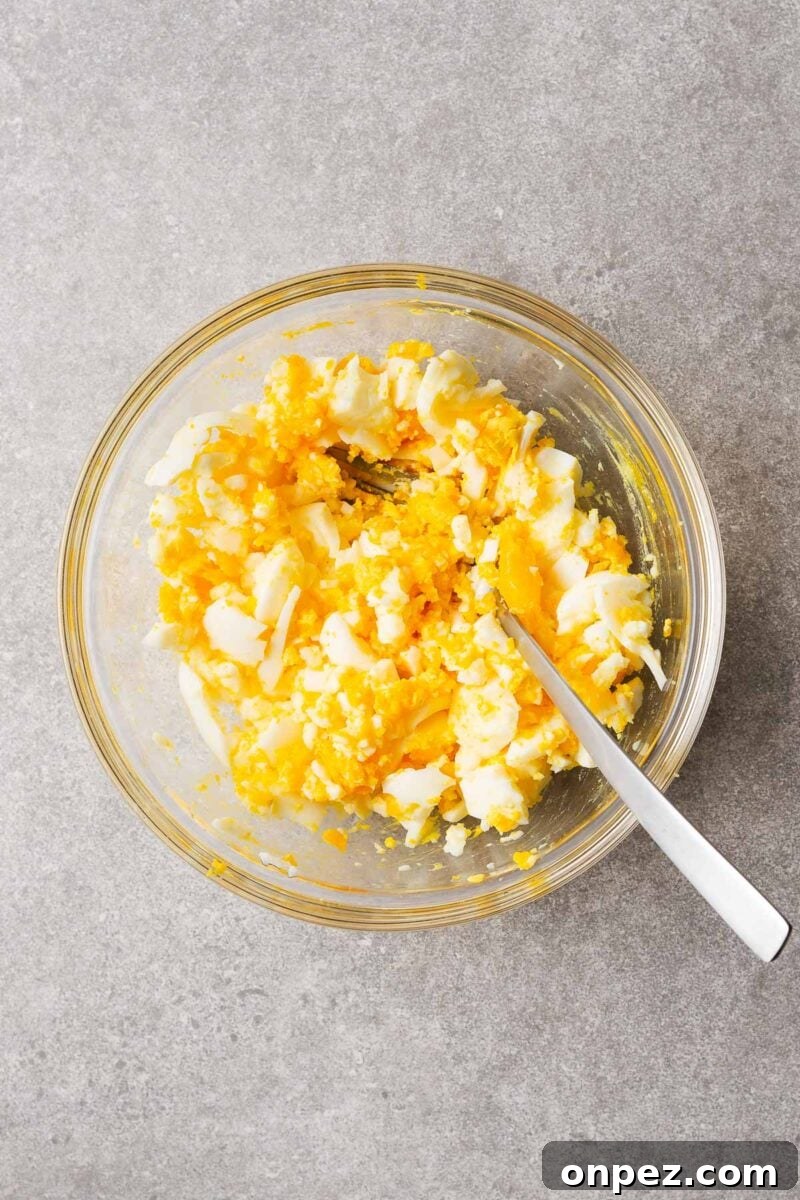
Step 3: Mash the eggs. Peel the cooled eggs and rinse away any small pieces of shell. Place the eggs in a medium bowl and mash them with a fork until they are roughly broken up.
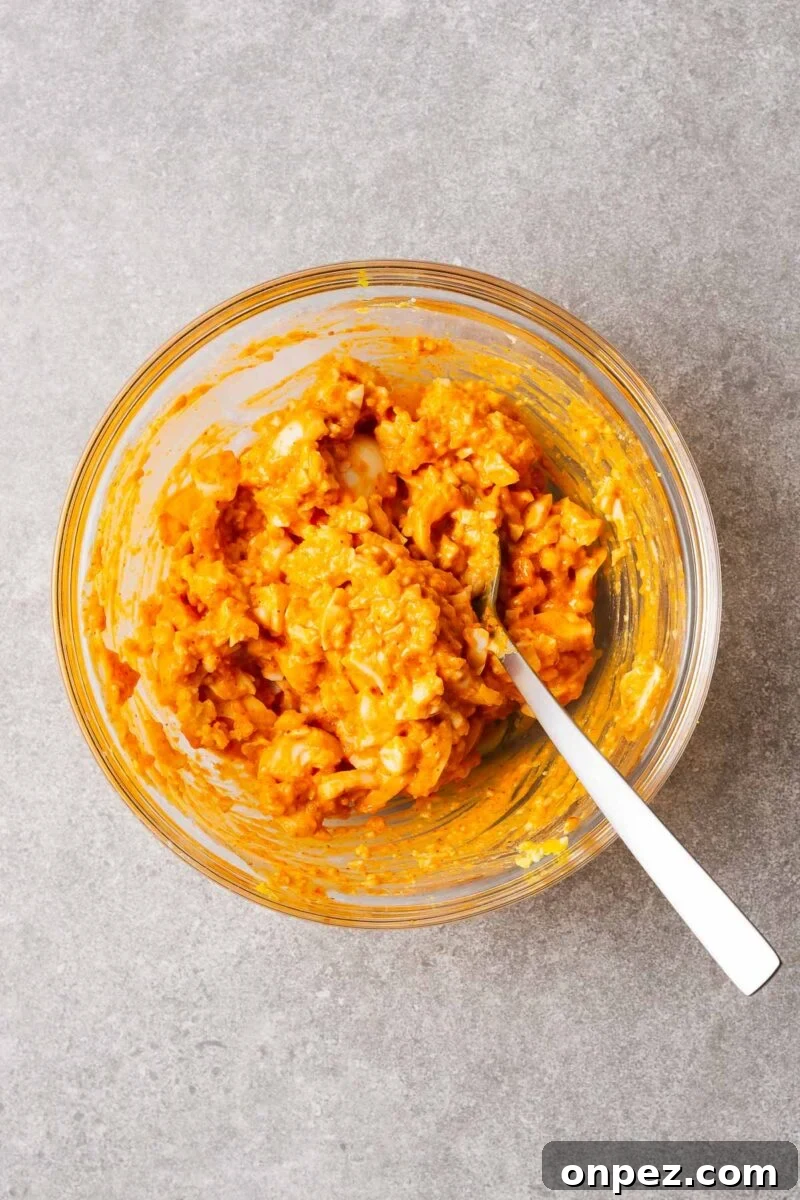
Step 4: Finish the egg salad. Stir in the gochujang mayo until the eggs are evenly coated. Season with salt and black pepper to taste. Serve immediately or refrigerate for later.
Storage
For meal prep, make a double or triple batch of gochujang eggs and store the egg salad in an airtight container in the refrigerator for up to three days. Keep the toast, rice or toppings separate until serving so everything stays fresh.
Recipe variations
The combination of eggs and gochujang works in several ways. If you like the flavour but want to change the texture or serving style, try one of these simple variations:
Scrambled eggs: Instead of mixing gochujang directly into the eggs, drizzle the gochujang mayo over soft scrambled eggs for a creamy, spicy finish.
Poached eggs: Spoon the sauce over poached eggs for a Korean-inspired take on a rich breakfast dish. The runny yolk mixes beautifully with the spicy mayo.
Fried eggs: Add the sauce to fried eggs served over rice for a quick bowl with plenty of flavour.
Serving suggestions
On toast: Pile the gochujang egg salad onto buttered sourdough toast for a hearty breakfast. Kimchi, toasted sesame seeds, chives and avocado slices all make excellent toppings.
With rice: Serve the spicy egg salad with steamed white rice or fried rice and kimchi for a quick lunch or dinner. Add stir-fried vegetables such as red bell pepper and garlic for a more complete meal.
As a side dish: Serve a small bowl of gochujang egg salad with Korean-style side dishes such as sesame broccoli, green onion salad or soy sauce braised potatoes.
As a spicy egg salad sandwich: Spread the egg mixture between slices of soft bread for an easy, creamy and satisfying sandwich.
As an appetiser: Serve the gochujang eggs with crackers or small pieces of toast. Add sliced red chilli if you want extra heat.
Spicy Gochujang Eggs
These spicy gochujang eggs are creamy, savoury and full of umami flavour. Serve the egg salad on sourdough toast for breakfast, spoon it over steamed rice with kimchi, or use it as a filling for a quick sandwich.
Recipe byRecipe By: Adri
ServingsServings: 2
Prep TimePrep Time: 5 minutesmins
Cook TimeCook Time: 10 minutesmins
Total TimeTotal Time: 15 minutesmins
Ingredients
4large eggs
½tablespoongochujang paste, plus more to taste
2tablespoonsmayonnaise
½teaspoontoasted sesame oil
¼teaspoonbrown sugar(optional)
salt and freshly ground black pepper
To Serve (Optional)
2thick slices of sourdough bread
butter
4tablespoonskimchi, roughly chopped
1teaspoontoasted sesame seeds
1teaspoonthinly sliced chives, or green onion tops
Instructions
Bring a pot of water to a boil. Carefully add the eggs and cook for 7½ minutes. Remove the eggs from the pot and place them in an ice bath to cool.
In a small bowl, mix the gochujang paste, mayonnaise, toasted sesame oil and brown sugar, if using. Taste and add more gochujang if you want a stronger spicy flavour.
Peel the cooled eggs and rinse off any shell fragments. Place the eggs in a medium bowl and mash them with a fork. Stir in the gochujang mayo, then season with salt and freshly ground black pepper.
To serve (optional serving suggestion)
Toast the sourdough bread and spread it with butter. Divide the chopped kimchi between the toast slices, spoon over the gochujang egg salad, and finish with toasted sesame seeds and chives or thinly sliced green onion.
Notes
Gochujang paste is a spicy fermented Korean red pepper paste, not the same as gochujang sauce. Heat levels vary by brand, so adjust the amount to your taste.
For this recipe, the eggs are cooked until the yolks are creamy but not runny. For softer yolks, cook them for about 5 minutes. For firmer yolks, cook them for up to 10 minutes.
Serve gochujang eggs on toast for breakfast or with steamed white rice, stir-fried vegetables and kimchi for a simple main meal.
Store leftovers in an airtight container in the refrigerator for up to 3 days.